Solar & Generator Off-Grid Power Solutions for Rural North Georgia Properties
Posted on October 14, 2026
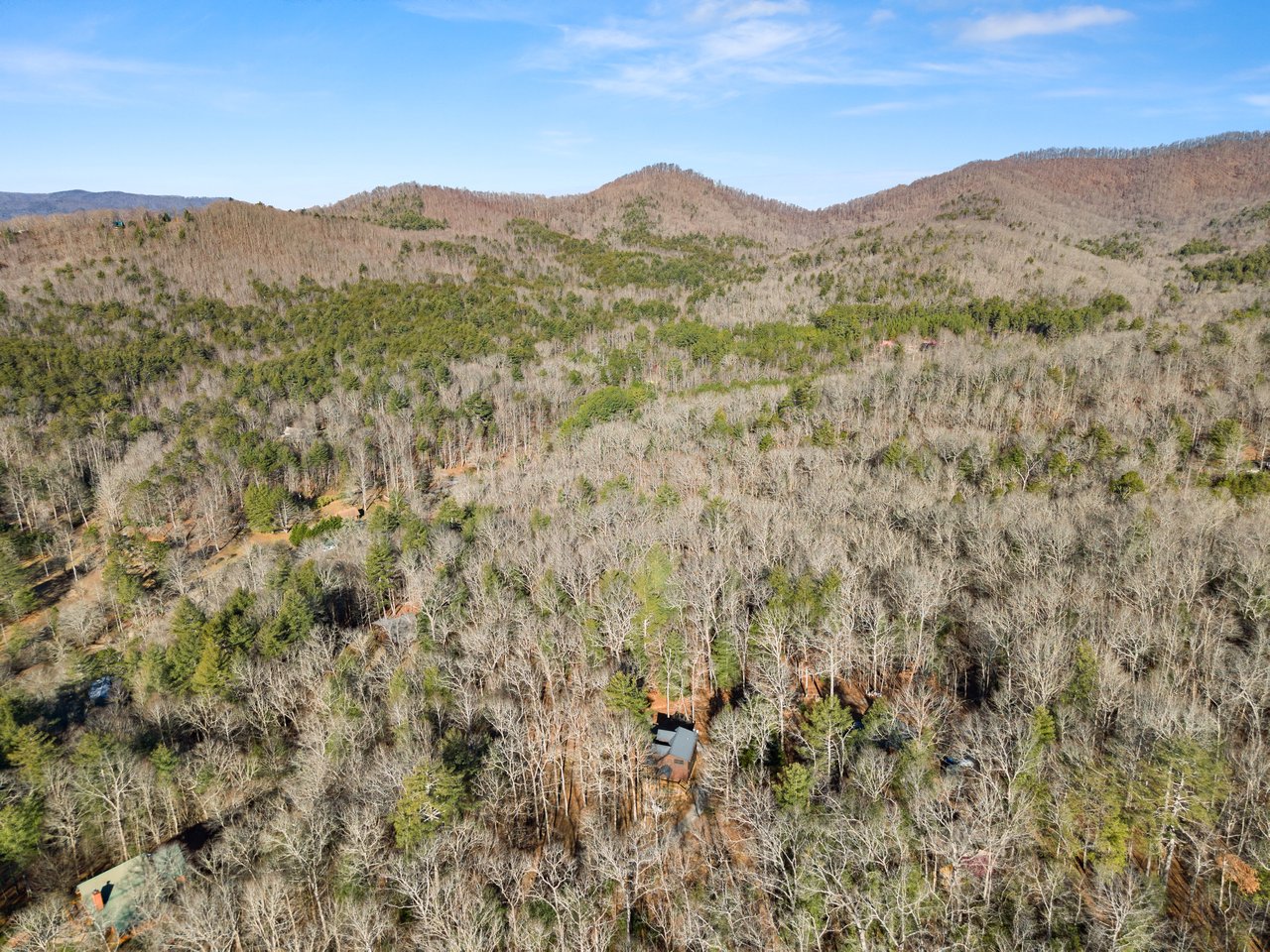
When looking at unrestricted mountain acreage or a secluded cabin in North Georgia, one of the first questions that comes up is how to keep the lights on and the water running. Across counties like Gilmer, Fannin, Union, Lumpkin, and Pickens, buyers are constantly evaluating whether to pull power from the nearest road or build a standalone, self-sufficient off-grid power setup.
Understanding the balance between solar energy, battery storage, and standby generator power is essential whether you are planning an off-grid homestead, investing in a remote short-term rental near Blue Ridge or Ellijay, or preparing raw mountain land for sale.
Before buying a remote parcel in the North Georgia mountains, calculating the true cost to bring electricity to the home site is a critical due-diligence step. Electric membership cooperatives like Amicalola EMC and Blue Ridge Mountain EMC provide reliable service, but running new utility lines across steep terrain, private rights-of-way, and dense timber can quickly drain a construction budget. The following expenses frequently tip the balance toward investing in an independent solar and generator infrastructure rather than connecting to the grid:
Trenching and Rock Boring: Mountain soils in places like Suches, Dahlonega, and Blairsville are notorious for hidden granite shelves. Hitting hard rock while trenching for underground utility lines can add thousands of dollars in specialized equipment fees.
Per-Foot Line Extension Charges: While local EMCs typically cover a short initial distance from the road, extending poles and overhead or underground wire down a long private easement can cost between $15 and $40 per linear foot, easily pushing total hookup costs past $30,000 for a quarter-mile driveway.
Right-of-Way Tree Clearing: Power lines require wide, cleared corridors to prevent fallen limbs from taking down wires. Dropping mature oaks, poplars, and pines along an easement requires heavy equipment, stump grinding, and recurring vegetation management.
Transformer and Service Drop Upgrades: If the closest transformer is already maxed out or situated across several neighbor-owned parcels requiring easements, legal recording fees and engineering design costs climb before ground is ever broken.
Operating off the grid in the Southern Appalachians comes with unique weather and topographic conditions. Dense tree canopies, deep mountain hollows, humid summer afternoons, and winter ice storms mean you cannot rely on an undersized setup. A resilient off-grid system for a rural Georgia property functions as an integrated ecosystem built around four core elements:
A Properly Sited Solar PV Array: Ground-mount arrays frequently outperform roof mounts in our mountain terrain. They allow you to clear a dedicated sun-pocket facing south or southwest, tilt the panels to shed snow and autumn leaves, and keep your cabin tucked safely in the shade of the forest to lower summer cooling demands.
Lithium Iron Phosphate (LiFePO4) Battery Storage: Modern off-grid systems depend on LiFePO4 batteries rather than legacy lead-acid banks. They deliver thousands of charge cycles, tolerate North Georgia's below-freezing winter nights without severe degradation, and provide constant voltage when running heavy household loads.
Heavy-Duty Split-Phase Inverters: North Georgia properties almost always depend on private wells drilled 200 to 500 feet deep through granite bedrock. Running a 240V submersible well pump demands a split-phase inverter with a high surge capacity (often 10,000 to 12,000 starting watts) to handle the initial pump spike without tripping the system.
Propane Standby Generators for Autonomy: During extended stretches of overcast mountain weather or heavy winter storms, solar input drops. An automatic standby generator (such as a Kohler, Generac, or Cummins unit) wired to an automatic transfer switch will fire up seamlessly to recharge the battery bank and power high-draw appliances like mini-split heat pumps or water heaters.
Natural gas lines rarely extend into rural hollows, which makes liquid propane (LP) the primary fuel for rural off-grid survival. Generator performance, heating reliability, and day-to-day comfort all trace back to how your fuel storage is set up. When setting up fuel delivery and storage on rural acreage, several logistics should be addressed upfront:
Tank Sizing: A whole-home generator pulling continuous loads during a three-day winter freeze consumes substantial fuel. Opting for a 500-gallon to 1,000-gallon tank ensures you maintain several weeks of reserve power without panic.
Buried Tanks vs. Above-Ground Tanks: Burying an LP tank protects it from falling tree limbs, improves property aesthetics, and keeps the fuel at a stable temperature, which maintains consistent vapor pressure during freezing mountain snaps.
Winter Delivery Access: Mountain roads and steep gravel driveways can turn into solid sheets of ice during January and February storms. Local propane delivery trucks require manageable road grades and clear turnarounds, making late-autumn tank top-offs a non-negotiable routine.
Dual-Fuel Versatility: Tying your backup generator, tankless water heater, kitchen range, and supplemental gas logs into the same central propane system reduces electrical demand on your battery bank, allowing your solar array to focus strictly on essential circuits.
From an investment and property valuation perspective, off-grid systems can either be a major selling point or an appraisal obstacle, depending entirely on how they are installed, permitted, and documented. Buyers, sellers, and real estate investors should keep the following factors in mind when negotiating off-grid mountain real estate:
County Permitting and Codes: Even if you never intend to connect to an electric utility, building departments in Gilmer, Fannin, and neighboring counties still require structural and electrical permits for solar ground mounts, inverters, and transfer switches. Unpermitted systems create title, insurance, and closing headaches.
Lending and Financing Roadblocks: Conventional Fannie Mae and Freddie Mac mortgage products often require a property to have a permanent, code-compliant, continuous heating source and utility-backed power to qualify. Fully off-grid homes frequently require cash buyers, local portfolio lenders, or specialized rural homestead loans.
Appraisal Comparables: Appraisers need closed sales with similar off-grid setups to assign full market value to a $40,000 to $70,000 solar and generator installation. Without direct comps, sellers often struggle to recapture dollar-for-dollar value on their power infrastructure, while buyers gain strong negotiating leverage.
System Documentation and Transfer: Resale values stay high when sellers provide clear equipment spec sheets, warranty documentation, maintenance logs for the generator, and contact information for the local installer who wired the system.
Living independently in the North Georgia mountains offers unmatched privacy, scenic ridge views, and a level of self-reliance that few suburban properties can deliver. When a hybrid solar and generator setup is properly engineered for the local terrain, it turns raw mountain acreage into an enduring retreat that functions smoothly in every season. Taking the time to evaluate line-extension costs, water well electrical loads, and local zoning requirements ensures your investment stands on solid ground from day one.
Stay up to date on the latest real estate trends.


With in-depth knowledge of the local market, skilled negotiation, and a client-first approach, Jacklyn works diligently to help buyers find the right home and sellers maximize the value of their property.
JACKLYN ZUNIGA
10900 Crabapple Rd Roswell, GA 30075