
Relocating from Florida to North Georgia Before Winter: Climate & Tax Transitions
Posted on October 13, 2026
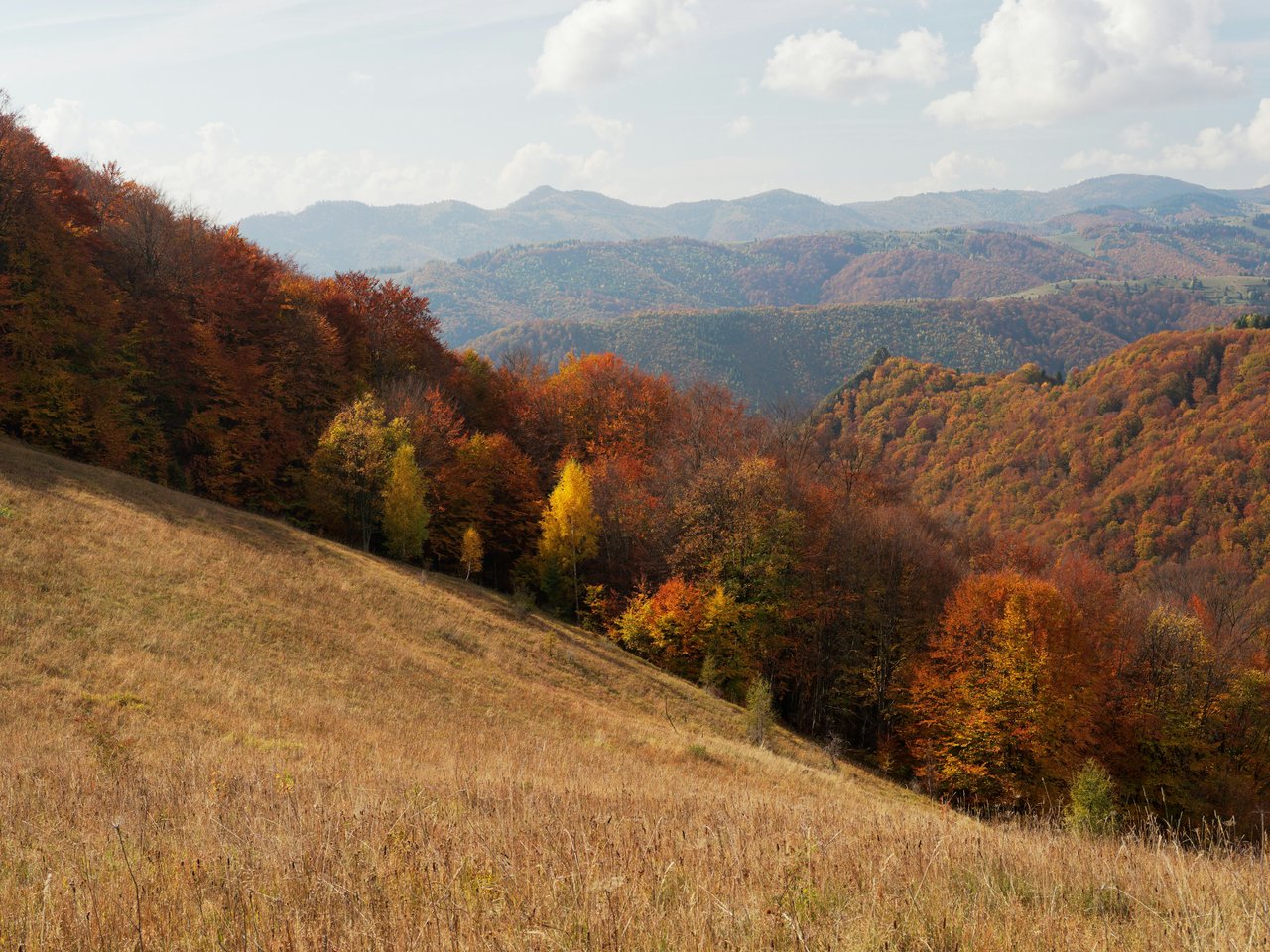
Every autumn, right around the time the leaves begin turning vibrant shades of amber across the Chattahoochee National Forest, the inquiries from Florida buyers spike dramatically. Between the exhaustion of another grueling hurricane season, soaring coastal homeowners insurance premiums, and year-round humidity, the appeal of crisp mountain air and a true change of seasons makes North Georgia an irresistible landing spot.
Moving from sea level up into the Appalachian foothills is an incredible lifestyle upgrade, but pulling off that relocation before winter arrives involves real practical shifts. The transition touches everything from winterizing a mountain home to balancing state tax changes against the hidden costs of living in Florida. Here is what you need to know before loading the moving truck and heading north on I-75.
Florida transplants often carry one of two misconceptions about winter in North Georgia: either they expect a permanent blizzard straight out of a ski resort commercial, or they assume the mountains are just a slightly cooler version of Jacksonville. The truth sits comfortably in between. North Georgia winters are generally mild compared to the Northeast or Midwest, but high elevations, steep topography, and rural infrastructure require a level of cold-weather preparedness most Floridians have never had to manage. Before settling into your new mountain home, keep these fundamental climate realities in mind:
1. Elevation dictates your daily weather: Towns like Ellijay and Jasper sit at elevations around 1,200 to 1,500 feet, where winter highs routinely hover in the upper 40s to mid-50s, dropping into the 30s at night. Drive twenty minutes north to Blue Ridge, Blairsville, or higher up into ridges along the Aska Adventure Area at 2,500 to 3,000+ feet, and you will consistently experience temperatures 5 to 10 degrees colder, with persistent morning frosts and brisk mountain winds.
2. Snow is a scenic event, not a seasonal shutdown: North Georgia does not deal with months of heavy snowpack. Most winters bring a handful of dustings or a couple of 1- to 3-inch snowfalls that usually melt off paved surfaces within 24 to 48 hours. The bigger road hazard is black ice in deep shaded hollows and sudden freezing rain, making south-facing driveways a prized feature among full-time mountain residents.
3. Freeze-proofing must happen before your first hard freeze: If you close on a cabin or home in November, your exterior plumbing cannot wait until January for attention. Mountain properties require disconnecting garden hoses from freeze-proof sillcocks, wrapping crawl space vents, and insulating well pump houses to prevent burst pipes during cold snaps that dip into the teens.
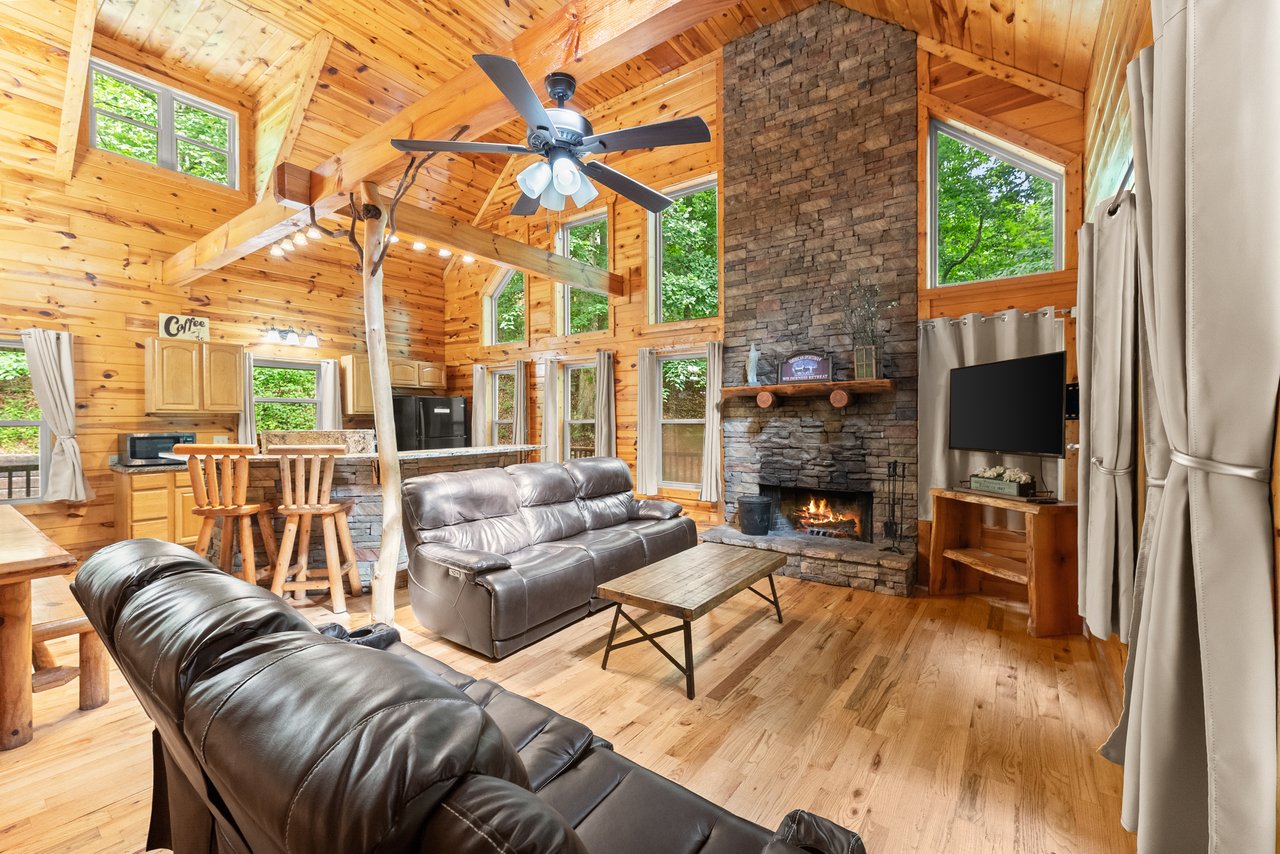
4. Heating systems require redundant sources: Most mountain cabins utilize heat pumps, which work well in moderate cool weather but lose efficiency when temperatures plummet below freezing. Having a secondary heating source—such as a zoned propane stove, a gas fireplace, a high-efficiency wood-burning stove, or a whole-home generator for occasional winter wind power interruptions—is an essential mountain comfort factor.
5. Gravel driveways demand specific vehicles: That steep, picturesque gravel driveway leading up to your long-range view may be simple to climb in August in a front-wheel-drive sedan. Once wet autumn leaves decompose into slick mud or an early December frost hits the grade, all-wheel drive (AWD) or four-wheel drive (4WD) becomes a daily necessity rather than a luxury.
The primary hesitation Florida buyers bring to the table is the loss of Florida’s zero-state-income-tax status. Walking away from a state with no income tax can feel counterintuitive, but viewing the move strictly through the lens of income tax ignores the broader financial ledger.
Once you calculate North Georgia’s lower property taxes, manageable vehicle fees, and the drastic difference in property insurance, most relocating buyers find their cost of living balances out or swings in their favor. Before crunching the numbers with your CPA, consider how Georgia structures taxes and expenses for new residents:
1. Georgia's state flat income tax: Georgia moved away from its tiered income brackets to a competitive flat individual income tax rate of 4.99%. While this is higher than Florida’s zero-tax baseline, Georgia couples benefit from generous standard deductions that keep taxable income low for working professionals.
2. The major retirement income exclusion: If you are 65 or older, Georgia offers one of the most generous retirement tax exclusions in the Southeast. Taxpayers can exclude up to $65,000 per person ($130,000 for a married couple filing jointly) of qualifying retirement income—including pensions, annuities, interest, dividends, and capital gains. For many retirees, this effectively neutralizes the state income tax entirely.
3. Substantially lower property taxes: Florida property tax bills often come as a shock to buyers when the previous owner's Save Our Homes cap resets upon purchase. In North Georgia counties like Fannin, Gilmer, Union, and Towns, millage rates are exceptionally modest. Many of these counties also provide generous senior homestead exemptions that partially or fully waive the school property tax portion once you turn 62 or 65.
4. The insurance relief factor: Florida homeowners insurance rates frequently climb between $4,000 and $10,000 annually, accompanied by separate hurricane deductibles and private carrier insolvencies. In North Georgia, comprehensive homeowners insurance for a comparable single-family residence or custom log home typically runs between $1,200 and $2,400 per year, delivering thousands in immediate annual cash savings.
5. Title Ad Valorem Tax (TAVT) for vehicles: When you register an out-of-state car in Georgia, the state levies a one-time Title Ad Valorem Tax. While newly purchased vehicles carry a standard 7.0% tax, new residents moving existing titled vehicles to Georgia pay a reduced 3.0% rate on the fair market value. This is paid upfront within 30 days of establishing residency, completely replacing annual vehicle ad valorem taxes on your birthday tag renewal.
Executing a smooth transition between October and December requires coordinating the logistics of your move before colder weather sets in. Delaying contractor appointments, fuel fills, or vehicle prep until after your moving trucks arrive can leave you scrambling in sub-freezing temperatures. Complete these steps in order to ensure your home is fully functional before your first mountain winter:
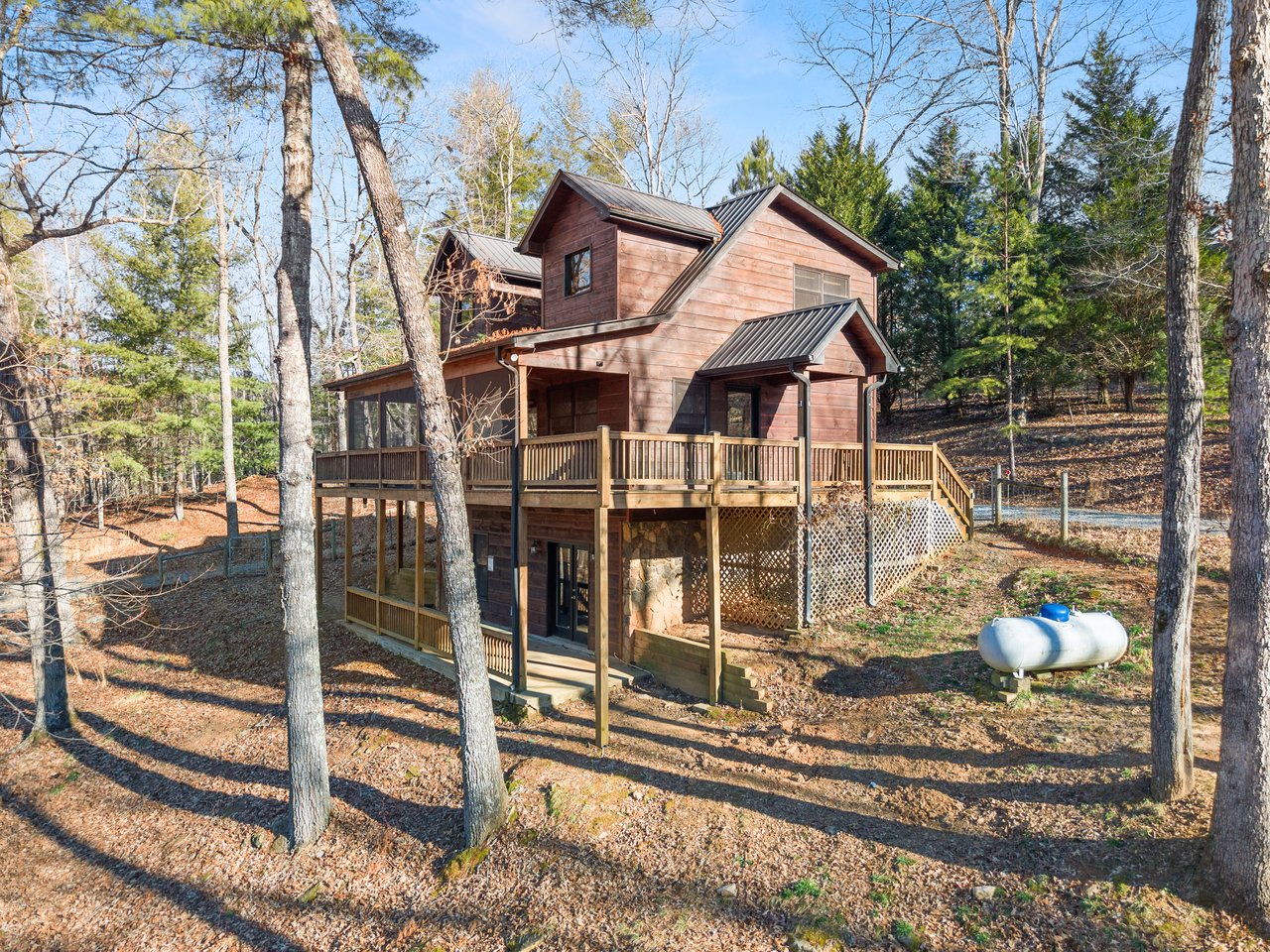
1. Secure your heating fuel supplier immediately: If your new home runs on propane for heating, cooking, or fireplaces, establish a residential account with a local supplier during closing. Tank inspection, safety checks, and pre-winter fills take longer to schedule once company routes fill up in late autumn.
2. Order specialized mountain inspections before closing: Beyond the standard home inspection, contract local specialists to evaluate the septic tank pump schedule, test the water flow rate (GPM) on private wells, inspect chimney flues for creosote buildup, and check that crawl space insulation and heat tape are intact.
3. Establish residency and file homestead exemptions within the deadline: After closing, transition your driver's license, title your vehicles with your county tag office within 30 days, and register to vote. Remember to mark your calendar to file for your county homestead exemption between January 1 and April 1 to maximize property tax savings for your first full year of ownership.
4. Service your vehicles for sub-freezing travel: Swap out basic summer windshield washer fluid with a freeze-rated de-icing formula, inspect tire tread depth for grip on damp mountain grades, and ensure battery health, as sudden drops in temperature will quickly expose aging auto batteries.
5. Stock your winter emergency supply closet early: Keep a cord of seasoned hardwood stacked under a dry tarp, purchase a heavy-duty outdoor snow shovel, pick up pet-safe ice melt for stone steps, and ensure you have flashlights, power banks, and non-perishable staples ready in case a winter storm takes a tree down across local power lines.
Relocating from the sunny coast to the Blue Ridge mountains is a transition that reshapes your pace of life in the best possible ways. There is something deeply grounding about watching the morning fog roll off the ridges, lighting a fire on a chilly November evening, and waking up to the long-range layered mountain vistas that open up the moment the autumn canopy clears.
Taking the time to understand local seasonal shifts, prepare your home for its first winter, and plan for the practical tax differences ensures that your arrival in North Georgia feels like coming home from day one.
Stay up to date on the latest real estate trends.


With in-depth knowledge of the local market, skilled negotiation, and a client-first approach, Jacklyn works diligently to help buyers find the right home and sellers maximize the value of their property.
JACKLYN ZUNIGA
10900 Crabapple Rd Roswell, GA 30075