Steep Driveway Engineering: Paving, Gravel, & Winter Access Solutions for Mountain Lots
Posted on October 8, 2026
When buyers fall in love with a mountain cabin in Blue Ridge, Ellijay, or Blairsville, they are usually focused on the long-range timberline views or the sound of the rushing creek down in the valley.
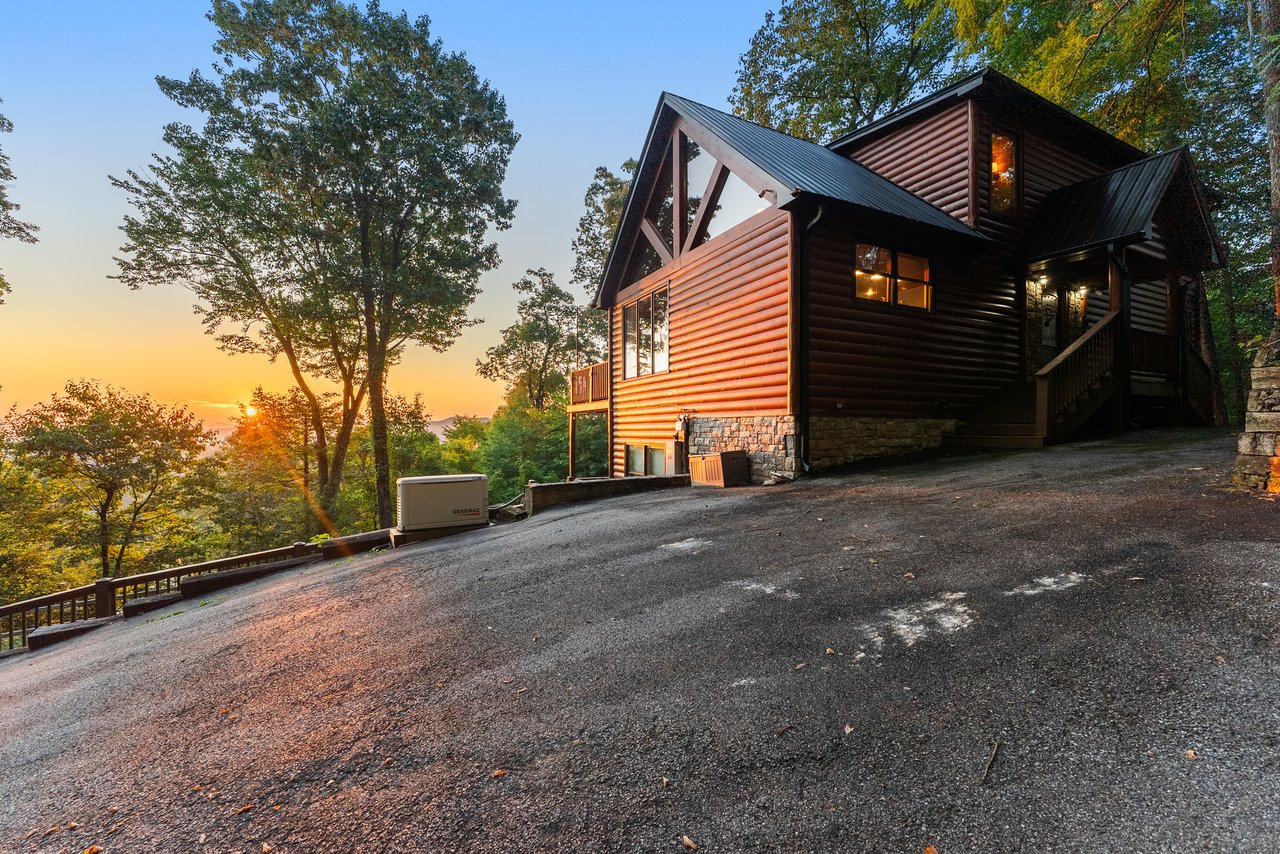
Steep driveways are a standard part of mountain living, but an improperly engineered drive can quickly become a costly maintenance nightmare, a winter hazard, and a massive hurdle when it comes time to sell. Whether you are building on a raw ridge-top lot, upgrading an existing cabin drive, or preparing your home for the market, understanding the engineering, surface materials, and drainage strategies for steep inclines is essential.
Before placing a single bucket of gravel or pouring a yard of concrete, you have to work with the topography rather than fighting against it. Properly grading a steep mountain lot requires strategic cuts, solid subgrades, and careful slope calculations. The following engineering fundamentals form the groundwork for a safe, long-lasting mountain driveway:
1. Managing Slope Grade Percentage: Standard residential driveways ideally have a 10% slope or less. In North Georgia, inclines frequently reach 12% to 18%. Any grade over 12% requires specialized surface traction, engineered switchbacks, or precise cut-and-fill techniques to prevent vehicles from losing traction or bottoming out.
2. Sub-Base Compaction and Geotextiles: A driveway is only as strong as what sits underneath it. Clearing organic topsoil down to hard clay or bedrock and compacting the soil is step one. Laying heavy-duty woven geotextile fabric over the subgrade prevents stone from sinking into the Georgia red clay over time.
3. Retaining Wall Integration: Steep slopes usually require cut-and-fill excavation. Installing engineered retaining walls—such as modular concrete block, poured reinforced concrete, or heavy stacked mountain boulders—anchors the uphill bank and prevents the downhill edge from slumping.
4. Switchbacks and Turning Radii: Direct vertical climbs invite severe erosion and difficult winter driving. Designing wide, sweeping switchbacks reduces the overall incline angle and gives emergency vehicles, delivery trucks, and everyday crossovers enough room to turn safely.
Choosing the right material for a steep slope isn't just about curb appeal; it dictates how your driveway holds up against heavy mountain rainfall, heavy vehicle loads, and freezing winter temperatures. Consider these surface options when planning or upgrading a steep slope drive:
1. Graded Aggregate Base (GAB) and Gravel: This is the most common budget-friendly option across the North Georgia mountains. However, plain gravel on a steep incline will wash away during heavy summer storms unless built on a 6-inch compacted GAB base, topped with crushed #57 stone, and packed down thoroughly.
2. Coarse Broom-Finished Concrete: Widely considered the gold standard for steep mountain inclines exceeding 12% to 15% grade. Pouring thick, rebar-reinforced concrete with a heavy, coarse broom texture provides superior tire traction and resists washout during torrential downpours.
3. Hot-Mix Asphalt Paving: Asphalt provides a smooth, continuous surface that naturally absorbs heat from sunlight, helping melt light frost and snow quickly. On steep inclines, asphalt requires a rock-solid compacted base and reinforced shoulders to keep the edges from breaking down under heavy trucks.
4. Permeable Geogrid Stabilization Systems: Plastic honeycomb grids (such as TrueGrid or Gravelpave) are staked directly into the ground and filled with crushed stone or pea gravel. The grid locks the gravel tightly in place, allowing water to drain straight through while completely eliminating rutting and gravel migration on steep grades.
5. Chip and Seal (Liquid Asphalt & Stone): A middle-ground solution between loose gravel and full asphalt. Liquid asphalt is sprayed onto a prepared base, covered with aggregate, and rolled flat. It offers better grip than loose gravel at a lower price point than full paving.
Water is the absolute number one enemy of mountain infrastructure. North Georgia gets heavy, concentrated rainfall, and uncontrolled water rushing down a steep slope will carve deep trenches into gravel and undermine paved surfaces within a single season. These key drainage controls keep water off your drive and direct it safely down the mountain:
1. Crowned Roadbeds and Inward Slopes: Shaping the driveway so the middle sits slightly higher than the edges forces water off to the sides rather than allowing it to channel straight down the tire tracks. On tight curves, banking the driveway inward carries runoff safely toward the bank side.
2. Deep Swales and Rip-Rap Ditches: Paralleling the driveway with wide drainage channels lined with large rip-rap stone slows down fast-moving runoff, trapping sediment before it causes severe downhill bank erosion.
3. Heavy-Duty Culverts and Headwalls: Sizing culvert pipes correctly using corrugated high-density polyethylene (HDPE) or galvanized steel ensures seasonal streams pass cleanly underneath the roadbed. Concrete or stacked stone headwalls keep the pipe ends from collapsing under vehicle traffic.
4. Rubber Water Deflectors (Conveyor Belts): A cost-effective secret used throughout mountain communities. Thick rubber strips sandwiched between timbers are buried diagonally across gravel drives to divert water off the edge into forested zones before it gains destructive speed.
5. French Drains and Curtain Drains: Installing perforated pipe wrapped in filter fabric and gravel along the uphill side of the driveway intercepts underground spring water and groundwater seepage before it saturates the driveway sub-base.
While North Georgia winters are generally mild compared to northern regions, wet snow, sleet, and overnight freezes frequently coat steep mountain drives in slick black ice. Keeping access open year-round requires proactive design choices. Here are the most effective strategies for maintaining winter access on steep inclines:
1. In-Slab Radiant Heating Systems: For concrete or asphalt driveways on extreme slopes, installing electric or hydronic heating coils directly into the slab automatically melts snow and ice on contact, guaranteeing 24/7 winter access.
2. Eco-Friendly De-Icers and Sharp Sand: Avoid standard rock salt, which chemically breaks down concrete surfaces and harms native mountain plants. Instead, use calcium chloride combined with coarse granite sand to give tires immediate bite on icy patches.
3. Strategic Lower Parking Pads: Creating a flat, gravel or paved turnout near the base of the property gives homeowners a secure place to park daily vehicles when an unexpected ice storm makes the main slope impassable.
4. Saw-Cut Traction Grooves: For existing concrete driveways that become slick in winter, contractors can cut thin horizontal grooves into the concrete surface to create a gear-like grip for vehicle tires climbing the hill.
In the mountain real estate market, accessibility is a primary driver of home value. A poorly maintained or dangerously steep driveway generates immediate red flags for prospective buyers, whereas a well-engineered entrance builds instant buyer confidence. Here is how steep driveway engineering directly impacts market performance and home equity:
1. Emergency Vehicle and Delivery Access: Fire departments, EMS crews, and delivery trucks require minimum road widths and maximum slope limits. A driveway that is too narrow, steep, or lacking a turnaround space can complicate home insurance policies or delay emergency responses.
2. Buyer First Impressions: The moment a prospective buyer pulls off the county road, they evaluate how comfortable they feel driving up to the house. Smooth, wide, and secure driveways eliminate fear and keep buyers focused on the beauty of the home rather than the stress of getting to it.
3. Home Inspection and Financing Approvals: Inspectors actively evaluate retaining walls, culverts, and erosion patterns. Evidence of shifting banks or failing drainage can trigger repair demands from lenders before clear title and mortgage approvals are granted.
4. Return on Investment for Upgrades: Investing in concrete paving, Geogrid stabilization, or proper retaining walls offers exceptional equity returns. Real estate listings that highlight "paved, easy-access, low-grade driveway" consistently sell faster and command higher offer prices than competing homes with compromised access.
Living in the North Georgia mountains offers unmatched peace, privacy, and breathtaking views, but enjoying that lifestyle depends entirely on reliable access to your home. Taking the time to understand the topography, investing in proper drainage, and choosing the right material for your slope grade will protect your vehicle, keep your family safe during winter freezes, and safeguard your long-term property equity.
When a mountain driveway is engineered with care, you can spend less time worrying about washouts and more time enjoying everything mountain living has to offer.
Stay up to date on the latest real estate trends.

With in-depth knowledge of the local market, skilled negotiation, and a client-first approach, Jacklyn works diligently to help buyers find the right home and sellers maximize the value of their property.
JACKLYN ZUNIGA
10900 Crabapple Rd Roswell, GA 30075