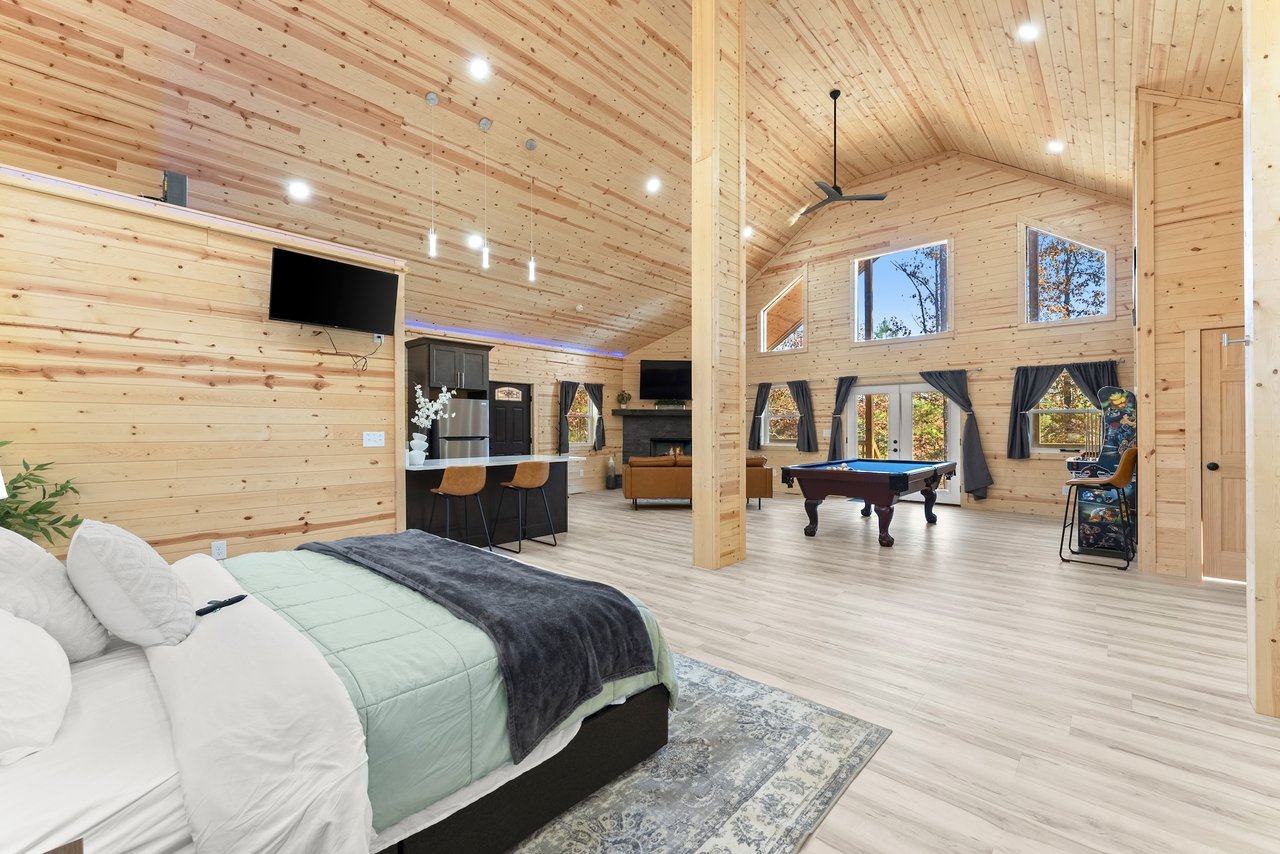
STR Compliance Audits: What North Georgia Counties Inspect During Q4
Posted on October 12, 2026
Autumn and winter bring some of the highest occupancy rates and peak daily revenues of the year across the North Georgia mountains. From leaf-peeping season in Blue Ridge and Ellijay to holiday getaways in Helen and Dahlonega, vacation cabin rentals run at full capacity. However, the fourth quarter is also the precise window when county code enforcement officers, tax commissioners, and planning departments conduct annual short-term rental (STR) compliance audits and license renewal checks.
Whether you already own a revenue-producing mountain cabin, plan to sell an income property, or are currently evaluating real estate acquisitions, staying ahead of local county oversight in Fannin, Gilmer, White, Lumpkin, Union, and Rabun counties is critical. Below is a detailed breakdown of what inspectors and auditors focus on during Q4 compliance reviews across North Georgia.
1. Annual STR Permit Renewals and Registration Verification
Most North Georgia municipalities and county governments tie short-term rental permits to the calendar year, requiring operators to submit renewal paperwork and verify active status during Q4 to remain compliant for the upcoming year.
Permit Status and Certificate Displays: Enforcement officers cross-reference live listings on Airbnb, Vrbo, and direct-booking channels against county registry databases to ensure every advertised property holds an active STR certificate.
Mandatory Listing Transparency: Local ordinances require hosts to prominently feature their official county or municipal permit number in the description of all online advertisements.
Unregistered Transfer Audits: STR permits in many mountain counties do not automatically transfer upon sale; Q4 deed transfers are checked to flag new owners operating under a seller's expired or voided certificate.
Compliance Software Scraping: Local planning departments routinely deploy automated compliance tracking software (such as GovOS/MuniRevs) to scan vacation rental platforms for unpermitted addresses and uncollected fees.
2. Life Safety and Structural Property Inspections
Safety audits frequently ramp up in Q4 as colder weather increases wood-stove usage, indoor heating, and holiday guest density, prompting code officials to confirm that homes meet structural and emergency standards.
Interconnected Smoke and Carbon Monoxide Alarms: Inspectors verify functional smoke detectors inside every sleeping room and on each floor level, along with operational carbon monoxide detectors near gas appliances, wood fireplaces, or attached garages.
Fire Extinguisher Certification and Placement: Every floor level and kitchen area must have an accessible fire extinguisher with a valid annual inspection tag or clear manufacture date.
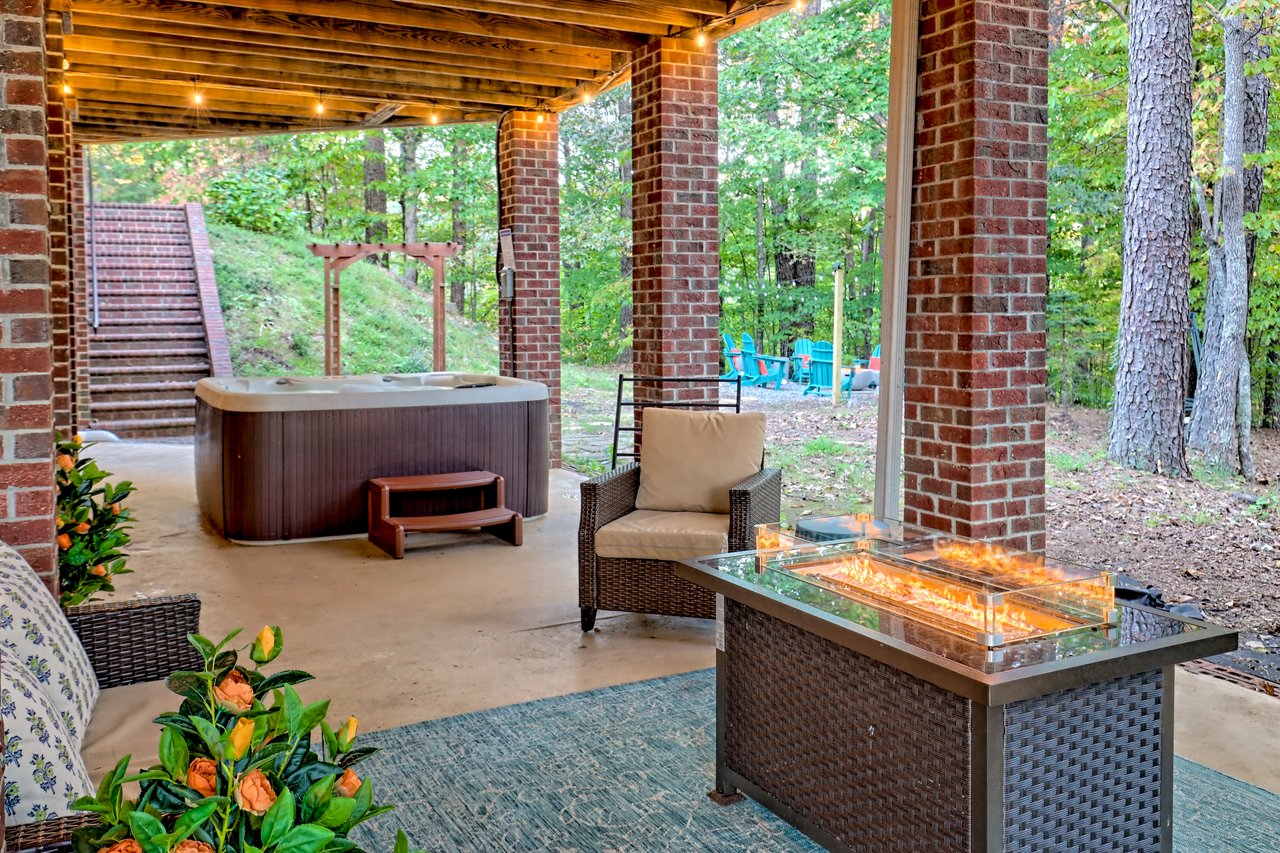
Deck Integrity and Handrail Egress: Given North Georgia's mountainous topography, elevated decks, balconies, and heavy hot tubs receive extra scrutiny to ensure ledger boards, footers, handrails, and exit stairs meet structural safety standards.
Reflective 911 Address Signage: Properties must display clear, reflective 911 street numbers visible from the main roadway so emergency responders can locate the cabin without delay.
3. Septic Capacity and Guest Occupancy Matching
A major focus during Q4 audits involves auditing the gap between an advertised guest capacity and the official septic permit rating recorded by Environmental Health.
Environmental Health Bedroom Ratings: County officials compare online guest limits against the property's recorded septic permit capacity; a 2-bedroom septic permit caps overnight occupancy regardless of additional pull-out sofas or bunk beds.
Maximum Overnight Guest Caps: Local ordinances enforce strict occupancy limits (commonly calculated as two adults per permitted bedroom plus a small baseline allowance) to prevent septic overflow and protect mountain watersheds.
On-Site Designated Parking: Inspectors inspect parking areas to ensure vehicle counts match approved site plans, confirming that guest vehicles do not park along narrow gravel shoulders, private shared easements, or emergency access routes.
Posted Quiet Hour Rules: Visible interior signs must outline designated quiet hours (typically 10:00 PM to 8:00 AM) to limit neighbor noise complaints during high-occupancy holiday weekends.
4. Hotel-Motel Tax Remittance and Financial Audits
The fourth quarter serves as financial audit season for county tax commissioners, who reconcile local lodging tax collections against platform reports and state sales tax filings.
Local Lodging Tax Reconciliation: County tax departments reconcile the 3% to 8% local hotel-motel tax remitted by owners against peak fall booking data, catching unreported revenue or late filings.
State Sales Tax and Nightly Fee Audits: Operators must ensure the 4% Georgia state sales tax and the mandatory flat $5.00 nightly state hotel fee are properly accounted for across all stays.
Direct Booking vs. Platform Revenue: While major platforms like Airbnb or Vrbo automatically collect and remit taxes in many jurisdictions, direct bookings, social media reservations, and secondary listing sites remain the owner's direct responsibility to report and pay.
Personal Property Tax Returns (PT-50P): County tax assessors audit annual business personal property returns, ensuring owners report appliances, furnishings, and amenities used in revenue-producing rentals.
5. Local Designated Agent and Operational Compliance
Because many short-term rental owners reside outside the immediate area or in Metro Atlanta, county ordinances strictly enforce local agent requirements to ensure quick resolution of property complaints.
24/7 Local Contact Requirement: Owners must designate a local contact representative who resides or operates within a designated radius (often within 30 to 45 minutes or 25 miles of the property).
Mandatory Response Time Windows: When code enforcement or neighbors call regarding disturbances or parking issues, designated contacts are legally required to respond within set timeframes (typically 1 to 4 hours).
In-Home Information Packets: Cabins must feature a visible, posted informational packet that includes the STR permit, emergency 911 address, trash management rules, local noise policies, and contact details for the local agent.
Neighbor Contact Notifications: Certain jurisdictions require annual proof or signed affidavits confirming that adjacent property owners have been provided current contact details for the designated local agent.
Navigating short-term rental compliance across North Georgia requires paying attention to county-level details, but keeping up with local requirements protects both your immediate rental revenue and the long-term value of your real estate investment. Local ordinances continue to evolve as mountain communities balance tourism growth with residential quality of life. Performing a regular audit of your permits, safety gear, septic records, and tax filings keeps your property positioned for long-term success in our vibrant mountain market.
Stay up to date on the latest real estate trends.




With in-depth knowledge of the local market, skilled negotiation, and a client-first approach, Jacklyn works diligently to help buyers find the right home and sellers maximize the value of their property.
JACKLYN ZUNIGA
10900 Crabapple Rd Roswell, GA 30075