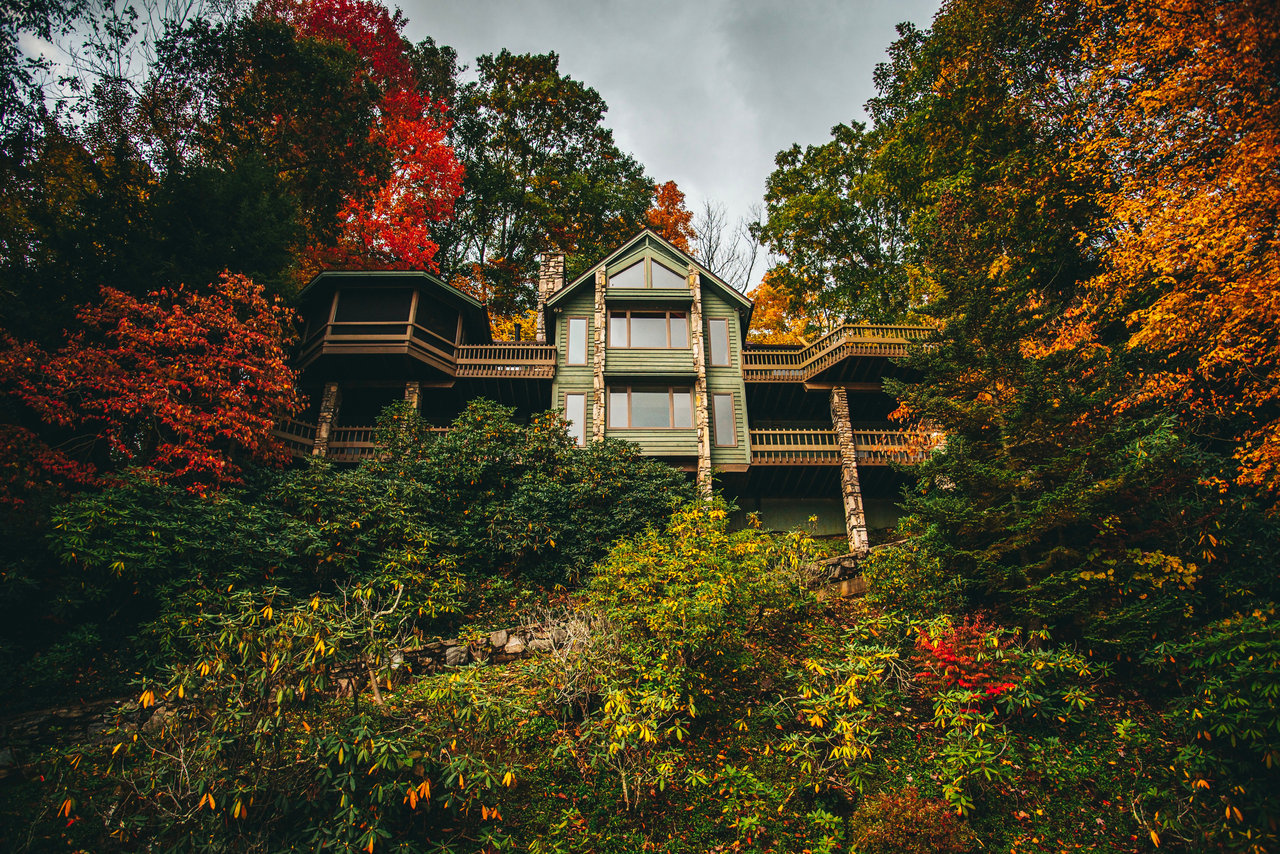
Autumn Maintenance for Mountain Estates: Winterizing Decks, Gutters, and Slopes in Hall & White Counties
Posted on August 28, 2026
Mountain estates across Hall and White Counties face distinct seasonal stress when North Georgia’s canopy shifts from vibrant autumn foliage to late-fall rains and freeze-thaw cycles. Protecting structural integrity and long-term resale value requires proactive outdoor winterization before December temperatures drop below freezing.
Deck Preservation in Heavy Shade and High Moisture Microclimates
Remove organic mats: Clear pine needles and oak leaf buildup from deck board gaps using a 1/4-inch spacer tool or high-pressure blower to prevent trapped moisture, rot, and wood-destroying fungi.
Inspect ledger board integrity: Examine the ledger board where the deck connects to the house rim joist, confirming flashing is 100% watertight to avoid structural decay that flags during buyer home inspections.
Timing for sealant application: Apply a penetrating oil-based sealant or semi-transparent stain when ambient outdoor temperatures remain between 50°F and 70°F for at least 48 consecutive hours.
Clear under-deck drainage: Ensure under-deck ceiling drainage systems on elevated multi-level mountain homes are completely clear of pine straw so water routes at least 10 feet away from foundation walls.
Assess elevated footing stability: Inspect concrete piers supporting hillside posts on slopes exceeding 15 degrees for any signs of settling, soil displacement, or frost heave cracking.
Gutter Systems and Downspout Diversions
Follow a two-stage clean-out schedule: Schedule 2 thorough gutter cleanings—1 in mid-October after hardwoods drop leaves, and 1 in late November after loblolly and white pine needles fall.
Upgrade to high-capacity gutter sizing: Verify mountain rooflines feature 6-inch seamless aluminum gutters with 3x4-inch downspouts rather than standard 5-inch systems to handle heavy North Georgia rainfall volume.
Extend downspout discharge distance: Connect solid 4-inch PVC discharge pipes to extend water flow at least 15 to 20 feet downhill away from crawl spaces, basements, and slab foundations.
Select appropriate gutter guards: Install micro-mesh stainless steel gutter guards that prevent fine pine needles from bypassing standard mesh and creating internal dams.
Test fascia board moisture content: Probe exterior fascia boards with a moisture meter to ensure readings remain below 15% wood moisture content before winter ice accumulates.
Slope Stabilization and Clay Erosion Prevention
Overseed with cold-hardy turf: Sow annual or perennial ryegrass at a rate of 5 to 8 pounds per 1,000 square feet on exposed sloped soil by mid-October to establish a root web before the first freeze.
Place heavy riprap stone: Install 6-inch to 12-inch Class 56 riprap rock along high-velocity swales and drainage culvert exits to reduce water velocity on grades steeper than 20 degrees.
Relieve hydrostatic pressure on retaining walls: Clear weep holes in stacked-stone or concrete block retaining walls to release trapped groundwater pressure, preventing bowing or structural failure.
Flush French drain networks: Clear perforated underground French drain lines with a plumber’s snake or high-pressure water stream to flush out accumulated Georgia red clay silt.
Install straw wattles along contours: Place temporary 9-inch straw wattles along natural slope contour lines on newly graded parcel areas to trap sediment during heavy late-autumn rainstorms.
Seller Equity: How Fall Maintenance Directs Spring Resale Value
Eliminates major inspection red flags: Prevents negative home inspection report items like deck frame rot, crawl space moisture, or active slope erosion, which typically trigger 5% to 10% buyer price reduction demands.
Preserves curb appeal for listing media: Keeps property perimeters clean for winter drone videos, 3D virtual tours, and listing photos featured across Instagram, Facebook, and MLS feeds.
Protects appraisal valuations: Validates premium home valuations by providing buyers and appraisers with documented maintenance records for structural retaining walls, custom decks, and drainage networks.
Prevents costly emergency repairs: Saves home sellers an estimated $3,000 to $12,000 in emergency foundation repairs, hillside land stabilization, or rotted timber replacement.
Instills buyer confidence: Reassures out-of-market buyers purchasing mountain retreats in Sautee Nacoochee, Helen, Clermont, or Lake Lanier that the estate has been winterized and maintained with professional care.
Taking the time to safeguard mountain acreage each autumn ensures that a property remains structurally sound, visually compelling, and resilient against North Georgia’s winter weather. Consistent care of decks, drainage channels, and sloped terrain preserves both the immediate enjoyment of the estate and the long-term equity built into the land.
Stay up to date on the latest real estate trends.

With in-depth knowledge of the local market, skilled negotiation, and a client-first approach, Jacklyn works diligently to help buyers find the right home and sellers maximize the value of their property.
JACKLYN ZUNIGA
10900 Crabapple Rd Roswell, GA 30075