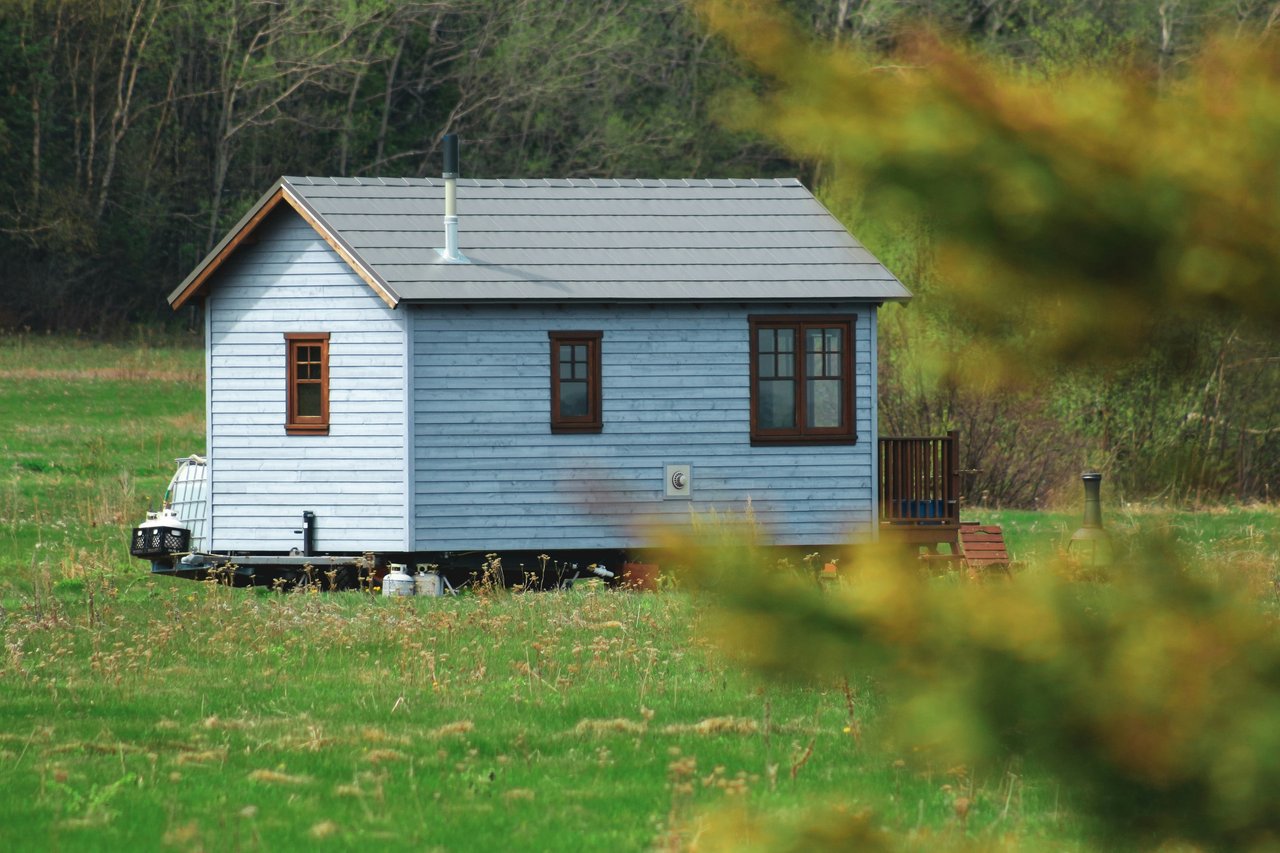
Tiny Homes on Wheels: Navigating the Legal Gray Areas of Mobile Luxury in North Georgia
Posted on August 26, 2026
Buying a luxury tiny home on wheels (THOW) in North Georgia promises high-end mountain living, but local zoning codes treat mobile structures very differently than traditional real estate. Understanding how municipal ordinances and land restrictions interact with alternative dwellings is essential before placing an offer on North Georgia land for sale.
The Legal Classification: Real Estate vs. RV
Georgia state law divides small-footprint dwellings into distinct regulatory categories that dictate where you can legally park and live:
1. Tiny Homes on Wheels (THOWs): Classed as Recreational Vehicles (RVs) governed by RVIA or NOAH standards. They are titled as personal vehicles and are generally restricted from serving as permanent primary residences on standard single-family residential lots.
2. Foundation-Built Tiny Homes: Governed by Georgia’s adopted IRC Appendix Q building code. Structures under 400 square feet built on permanent foundations are legally recognized as single-family real estate dwellings or Accessory Dwelling Units (ADUs).
3. Park Model RVs: Portable units up to 400 square feet built on a single chassis. While often marketed as luxury mobile cabins in mountain towns like Blue Ridge or Ellijay, they fall under RV regulations rather than residential building codes.
County-Specific Zoning Breakdown for North Georgia THOWs
1. Gilmer County (A-1 Agricultural & R-1 Residential): THOWs are regulated as RVs and prohibited as permanent residences in R-1 districts. Placement on A-1 land is evaluated on a case-by-case basis for temporary occupancy, while permanent tiny dwellings must sit on standard IRC Appendix Q foundations with minimum square footage thresholds (typically 320–400 sq ft).
2. Fannin County (Commercial RV & R-3 Multi-Family): Classified under state vehicle standards, THOWs cannot serve as primary dwellings on standard single-family residential lots. Long-term placement is limited to licensed RV parks, campground districts, or commercial resort developments in areas like Blue Ridge.
3. Cherokee County (AG & R-40 Single-Family): Cherokee enforces strict 30-day occupancy limits for RVs and THOWs on private residential property. Connecting a mobile unit to metered grid utilities triggers automatic code enforcement inspections, and standard single-family zones require minimum dwelling footprints exceeding 800 sq ft.
4. Lumpkin County (R-A Residential Agricultural): THOWs are designated as recreational vehicles and banned from full-time residency on standard residential parcels. Long-term occupancy is restricted to licensed commercial campgrounds, RV parks, or rural agricultural sites with conditional-use approvals.
5. Union County (Unzoned Rural Acreage): While unincorporated areas lack traditional municipal zoning maps, county building codes and environmental health standards still apply. THOWs must be placed in designated commercial parks or obtain temporary placement permits on larger rural acreage.
Buyer Due Diligence Steps During Listing Search
1. Filter MLS and Property Listings: Search property listings using keywords like "AG Zoning," "Unrestricted Land," "No Covenants," or "RV Hookup Permitted." Exclude listings located in subdivisions subject to single-family R-1 zoning or active HOAs.
2. Review Deed Covenants and Restrictions: Pull the parcel deed and Declaration of Covenants, Conditions, and Restrictions (CC&Rs) from the county clerk's office. Verify there are no private restrictions banning travel trailers, off-grid utilities, or temporary mobile structures.
3. Verify Zoning with Planning Department: Submit the property's Tax Map/Parcel ID directly to the county planning office. Ask specifically whether an RVIA- or NOAH-certified THOW can legally receive permanent utility service on that parcel.
4. Order a Health Department Septic Evaluation: Apply for a soil perc test through the county Environmental Health Department. Confirm local health regulations permit connecting THOW graywater and blackwater lines directly to a standard or engineered septic system.
5. Audit Builder Certification and Title: Inspect the structure to confirm it features an official RVIA or NOAH manufacturer seal along with a clear vehicle title. Lenders and insurance carriers require these credentials before approving specialized financing or personal property policies.
Navigating North Georgia’s regulatory landscape for mobile luxury requires balancing the appeal of high-end, alternative living with the realities of local land-use law. While county zoning ordinances and utility regulations present distinct hurdles, completing rigorous due diligence during the search process ensures buyers can protect their property investment and secure a fully compliant mountain retreat.
Stay up to date on the latest real estate trends.



With in-depth knowledge of the local market, skilled negotiation, and a client-first approach, Jacklyn works diligently to help buyers find the right home and sellers maximize the value of their property.
JACKLYN ZUNIGA
10900 Crabapple Rd Roswell, GA 30075