Posted on November 3, 2026
Winter in North Georgia has a distinct personality. One afternoon you are sitting on the porch in a fleece sweater enjoying 60-degree sunshine over the ridges of Gilmer or Fannin County, and forty-eight hours later an Arctic cold front drops the temperature down to 14 degrees with biting mountain winds.
For local homeowners, prospective buyers touring rustic cabins in Blue Ridge, and investors managing vacation rentals near Lake Lanier, those dramatic temperature swings reveal everything about a property’s thermal integrity. Heating a home in our climate zone is not just about staying comfortable; it directly dictates monthly operating overhead, resale appeal, and long-term property value. Navigating the balance between insulation, mechanical heat pumps, and fireplaces requires understanding how these systems work together in Georgia's unique foothills and mountain terrain.
The Thermal Envelope: Insulation and Air Sealing in Mountain and Foothill Climates
Before spending thousands on high-end mechanical equipment, the physical shell of the house must be evaluated. In North Georgia, our housing stock ranges from 1970s mountain chalets with towering cathedral ceilings to mid-century ranches on crawl spaces and newly built modern farmhouses in Cherokee and Forsyth counties. Without adequate thermal boundaries, warm air escapes upward while freezing mountain air pulls in through unconditioned foundations. When assessing a home’s insulation performance during the winter months, focus on these critical zones:
1. Attic Insulation Levels and R-Value Deficits: Heated air naturally rises through the stack effect, escaping into unfinished attic spaces. Building codes and energy standards for our climate zone generally recommend attic insulation between R-38 and R-60. Many older homes throughout Dahlonega, Jasper, and Gainesville carry barely R-19 fiberglass batts that have compressed over decades. Blown-in fiberglass or cellulose brings coverage up to current standards and eliminates cold upstairs rooms.
2. Crawl Space Encapsulation vs. Traditional Vents: Open-vent crawl spaces remain one of the biggest sources of winter energy loss in North Georgia. Cold ambient air enters foundation vents, chilling water supply lines and turning hardwood floors ice-cold. Converting an open, drafty crawl space into a fully sealed, conditioned space with a heavy vapor barrier, perimeter foam board, and dedicated dehumidification keeps subfloors warm and dramatically reduces floor-level drafts.
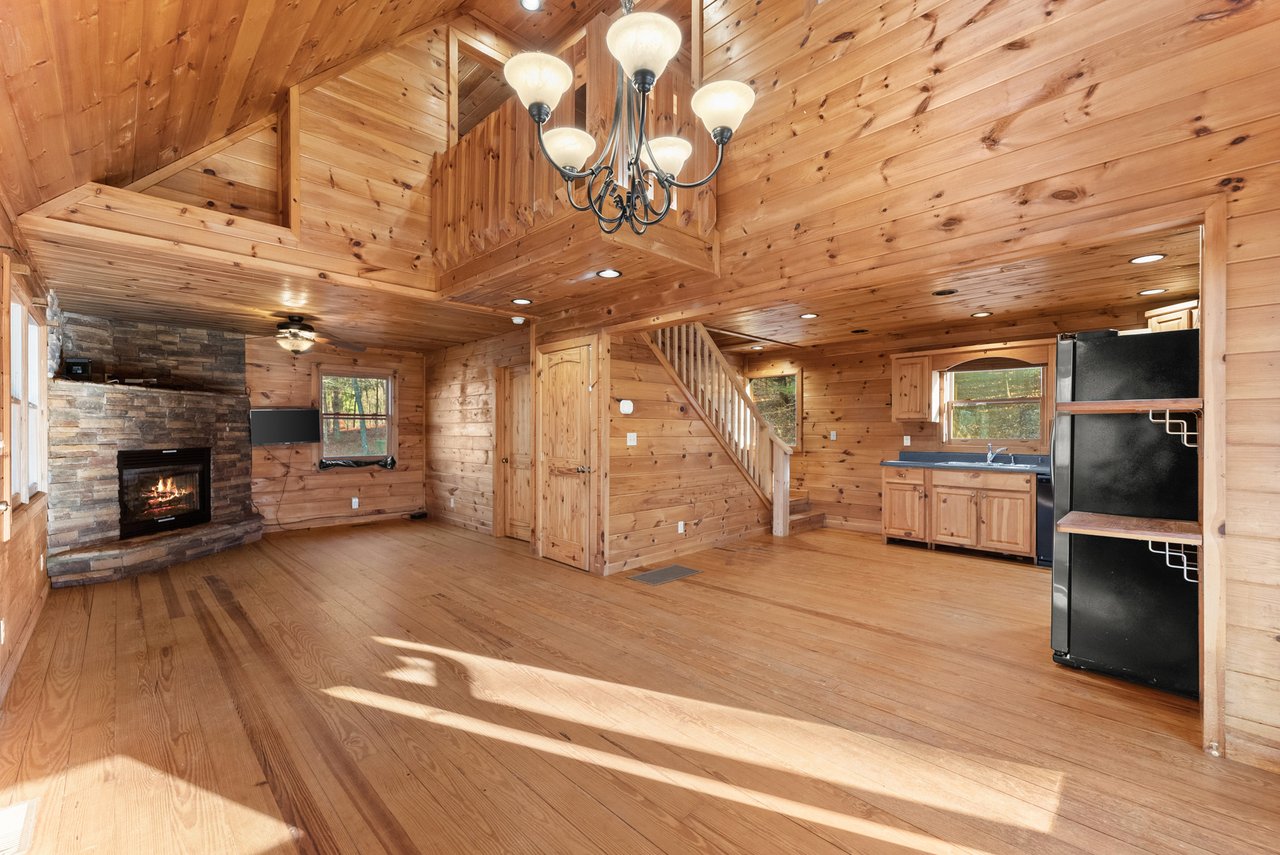
3. Cathedral and Tongue-and-Groove Ceilings: Exposed wood beams and pine tongue-and-groove ceilings define the classic mountain cabin aesthetic, but they are notorious for minimal roof cavity depth. Spray polyurethane foam (SPF) offers superior R-value per inch compared to standard batt insulation, sealing roof decks and preventing both heat loss and winter ice damming during rare winter storms.
4. Air Infiltration Around Fenestrations and Knee Walls: A significant portion of draftiness is not bad insulation, but uncontrolled air leaks. Recessed can lights, whole-house fan louvers, attic pull-down stairs, and gaps around window trim pull cold air straight into living areas. Professional air sealing combined with thermal imaging quickly uncovers hidden leaks before an inspector flags them on a buyer’s report.
Modern Heat Pumps: Demystifying SEER2, HSPF2, and the "Aux Heat" Bill Shock
Heat pumps are the primary heating and cooling workhorse across Georgia. Rather than generating heat through combustion like a furnace, a heat pump absorbs ambient heat from the outside air and transfers it indoors. Because winter days in Georgia frequently sit between 38 and 55 degrees, standard heat pumps operate at exceptional efficiency for most of the season.
The friction arises when temperatures plummet into the teens. Older standard systems struggle to extract heat from sub-freezing air and automatically engage their secondary heat source: electric resistance heat strips, commonly labeled as "Emergency Heat" or "Auxiliary Heat" on digital thermostats. Running resistance heat strips is equivalent to heating a living room with a giant commercial toaster oven, leading to shocking utility bills from Amicalola EMC, Jackson EMC, or Georgia Power. Here is how modern heat pump configurations solve that issue while maximizing winter performance:
1. Cold-Climate Inverter Heat Pumps: Variable-speed, inverter-driven compressors modulate their output continuously instead of slamming on and off at full blast. Modern cold-climate heat pumps maintain full heating capacity down to 5 degrees Fahrenheit without relying heavily on auxiliary strips, making them an ideal match for mountain elevations.
2. Understanding New Efficiency Metrics: When evaluating replacement systems or reading new construction spec sheets, pay attention to HSPF2 (Heating Seasonal Performance Factor 2) alongside SEER2. A higher HSPF2 rating directly correlates to how economically the system will warm the house during December, January, and February.
3. Dual-Fuel / Hybrid Systems: In rural properties where natural gas or propane is available, dual-fuel setups deliver the best of both worlds. An electric heat pump handles the mild 40-to-60-degree weather with minimal power consumption, while a gas furnace automatically kicks on below freezing to provide fast, hot air at the registers when electric heat pumps lose ground.
4. Ductless Mini-Splits for Bonus Rooms and Cabin Additions: Traditional central ducted systems often leave basement build-outs, loft bedrooms, or converted garage suites underheated. Multi-zone ductless mini-splits deliver targeted heating and cooling directly where needed without extending ductwork through unconditioned attics.
The Fireplace Dilemma: Architectural Charm vs. True Heating Efficiency
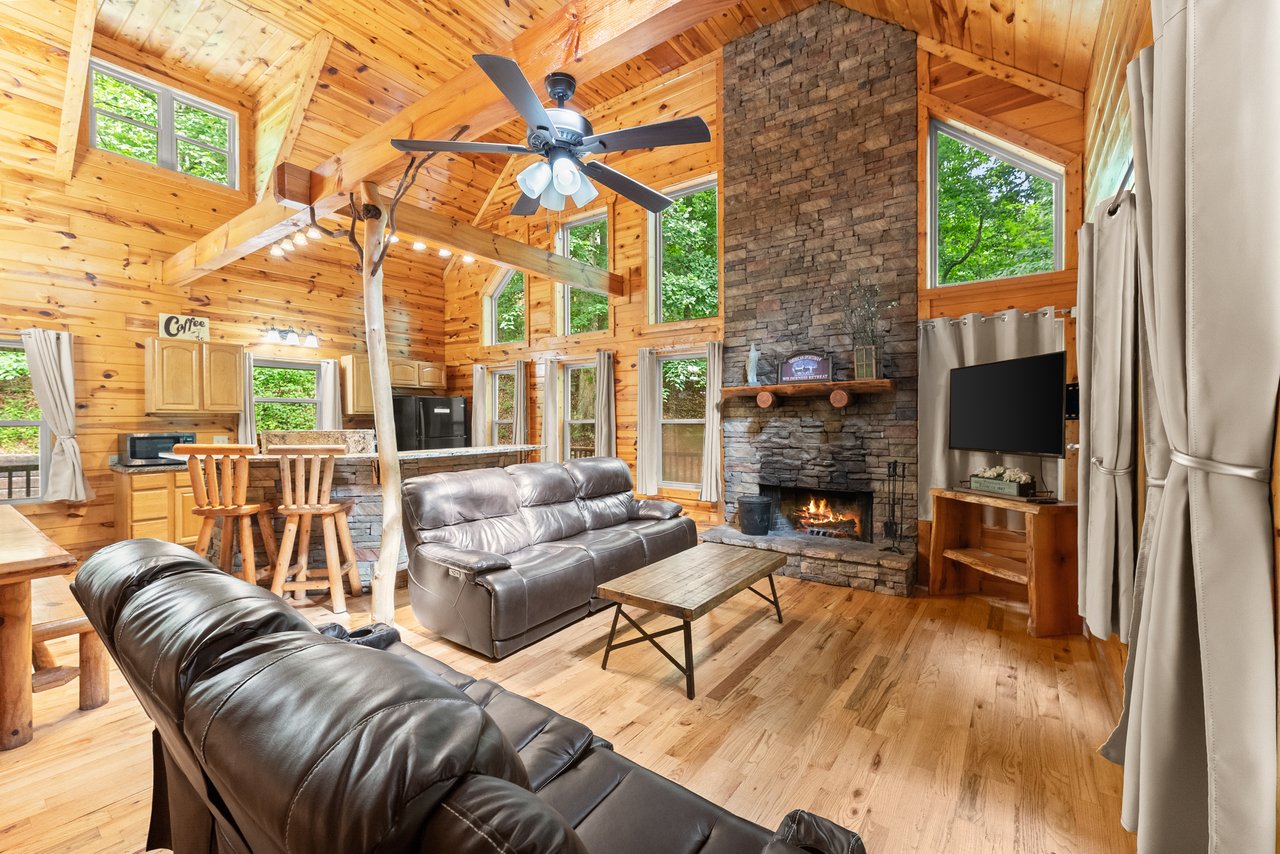
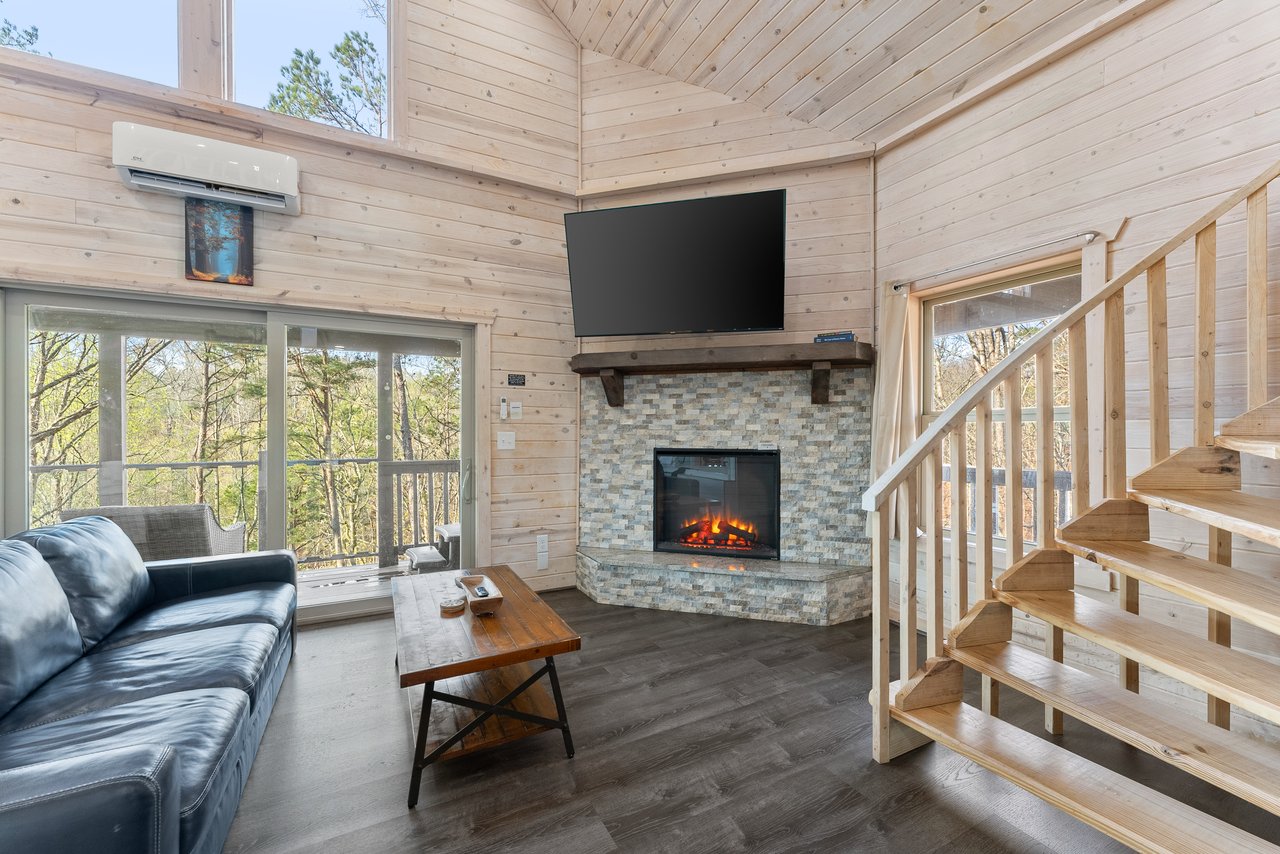
A roaring fire against stacked fieldstone is practically required in a North Georgia mountain retreat. Fireplaces drive emotional connections for buyers touring weekend getaways, second homes, and vacation rentals. However, from an energy perspective, an open masonry wood-burning fireplace is frequently an energy drain rather than an energy saver.
An open hearth draws cubic feet of already-warmed room air up the chimney flue to sustain the draft. While the area immediately in front of the hearth feels toasty, the vacuum pulls cold exterior air through window cracks and door thresholds in neighboring bedrooms. To turn a fireplace from a seasonal draft generator into a genuine heating asset, consider these functional upgrades:
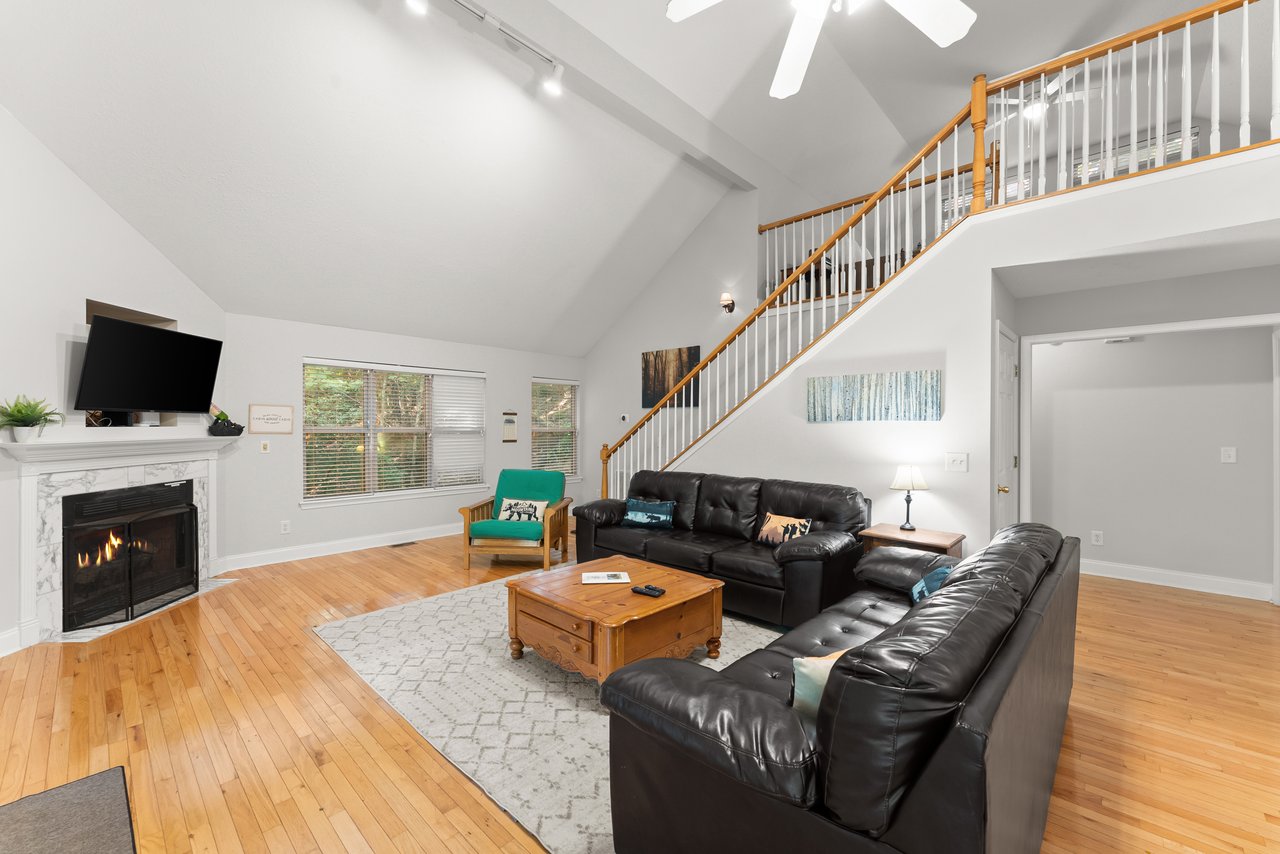
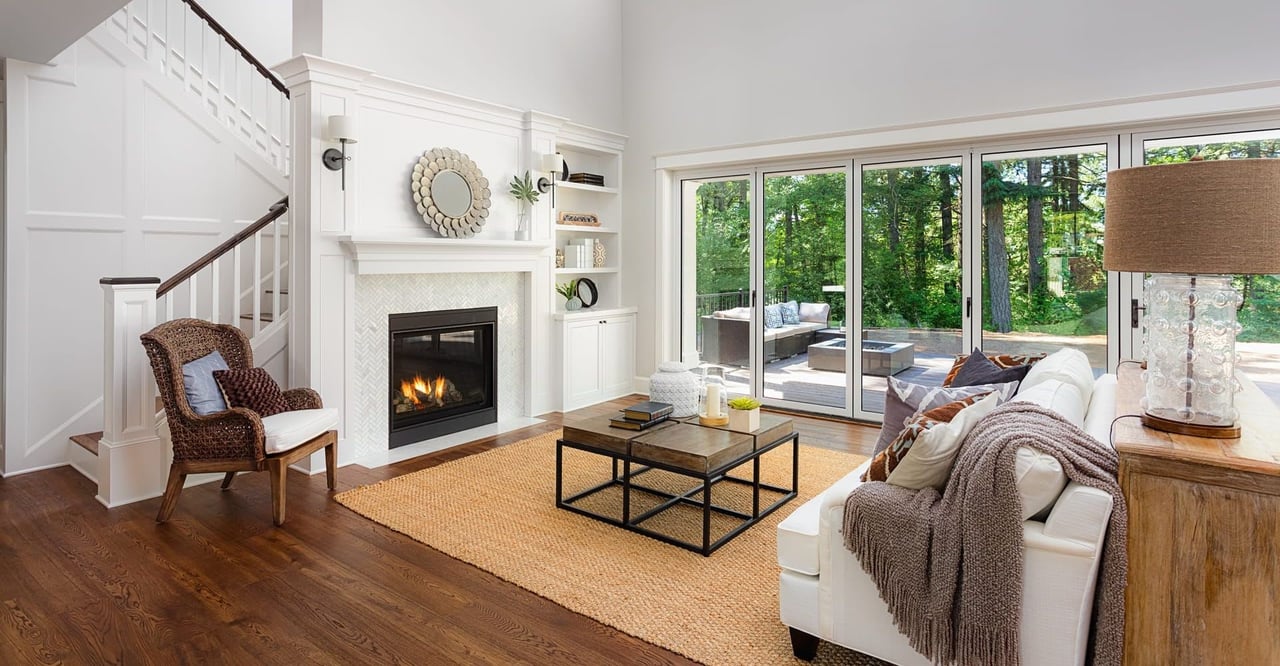
1. Sealed Direct-Vent Gas Fireplaces: Direct-vent systems use a sealed combustion chamber with a co-axial flue that pulls outside air for combustion and vents exhaust outside. They pull zero conditioned air from inside the room and radiate consistent, controllable heat through ceramic glass and variable blowers.
2. EPA-Certified Wood-Burning Stove Inserts: For homeowners who love burning cordwood from their own acreage, retrofitting an open masonry firebox with an airtight, EPA-certified cast iron or steel insert changes everything. Secondary burn chambers burn wood smoke completely, providing steady heat output for 8 to 10 hours on a single load while protecting indoor air quality.
3. Chimney Top-Sealing Dampers: Traditional cast-iron throat dampers rarely seal tightly, leaving a continuous gap where conditioned air leaks out 24/7. Installing a silicone-gasketed, spring-loaded top damper at the chimney cap keeps warmth inside the home whenever the fireplace is inactive.
4. Vent-Free Gas Logs (With Proper Ventilation Cautions): While ventless gas log sets claim 99% efficiency because all heat stays in the living area, they also release moisture vapor and combustion byproducts directly into indoor air. In tightly sealed, modern homes, they require careful monitoring, reliable carbon monoxide detectors, and cracked ventilation to prevent excess humidity and mold development.
The Real Estate Payoff: How Heating Performance Affects Buyers, Sellers, and Investors
Heating efficiency is no longer an afterthought buried in utility bills; it actively influences contract negotiations, inspection amendments, appraisal valuations, and return on investment. How heating efficiency impacts each category of property participant across North Georgia:
1. For Home Sellers: A buyer’s home inspector will scrutinize the age of the heat pump, test the temperature split across supply and return vents, and check attic insulation depth. Having documentation of an annual pre-winter HVAC tune-up, clean chimney sweep reports, and proof of updated attic insulation removes buyer leverage during the due diligence period and prevents last-minute repair escrow demands.
2. For Home Buyers: When evaluating properties in Ellijay, Blue Ridge, or Cumming, look past staging decor and examine mechanical systems closely. Check the serial tag on the outdoor condenser to verify its age, look under the house to inspect crawl space insulation condition, and ask the listing agent for 12 months of utility history to identify any winter billing spikes.
3. For Short-Term Rental (STR) and Cabin Investors: Guests staying in mountain vacation rentals do not treat thermostats with conservative care. They will crank the heat to 76 degrees while opening patio doors to enjoy the view. Outfitting an investment cabin with smart thermostats that prevent continuous auxiliary strip usage, paired with sealed gas inserts on wall timers, protects your utility margins and prevents middle-of-the-night emergency maintenance calls.
4. Rebates and Energy Incentive Programs: State programs such as Georgia's Home Energy Rebates (HER/HEAR) alongside utility-specific incentives through Georgia Power and local electric co-ops often offset out-of-pocket costs for whole-home weatherization, insulation retrofits, and high-efficiency heat pump installations. Keeping track of these incentives helps buyers budget post-closing improvements effectively.
Every property in North Georgia has its own microclimate, whether you are dealing with cold drafts off Lake Lanier, brisk high-elevation winds in Union County, or shade cover in a wooded mountain hollow. Taking a holistic look at how your insulation, heating mechanics, and hearth features interact is the most reliable way to keep your home warm, protect your systems through sudden cold snaps, and build lasting equity into your real estate investment.