Posted on October 29, 2026
Anyone who owns a mountain retreat in North Georgia knows that late autumn brings crisp air, vibrant foliage along the Cohutta Wilderness, and quiet trails. But once December settles over Blue Ridge, Ellijay, Blairsville, and Mineral Bluff, mountain weather takes a sharp turn. Temperatures in high-elevation pockets can plummet twenty degrees in a matter of hours, and winter storms routinely sweep through mountain gaps with biting winds, heavy ice, and freezing rain.
Whether you manage an active short-term rental on Airbnb or Vrbo taking a mid-winter hiatus, keep a personal family retreat shuttered until spring, or hold a newly purchased cabin awaiting renovations, an unoccupied mountain home requires deliberate care. Freezing temperatures, mountain power flickers, and long stretches without human eyes on-site can turn a tiny maintenance oversight into a catastrophic insurance claim. Protecting your cabin equity and resale value begins with understanding how climate control, plumbing mechanics, and modern smart security intersect in the North Georgia mountains.
Smart Thermostats and Remote Climate Management
Relying on an old-school dial thermostat when you are two hours away in Atlanta—or halfway across the country—is a gamble most cabin owners eventually lose. Power blinks from fallen pines, sudden cold snaps, and HVAC heat-pump limits demand real-time visibility. Modern smart thermostats do far more than schedule morning warmups; they act as your primary telemetry station for the home's interior envelope. Before setting your climate strategy, consider these smart thermostat and HVAC protocols designed specifically for vacant mountain cabins:
1. Lock in a Minimum Safety Baseline: Set your baseline heating temperature between 55°F and 58°F. This threshold keeps the air inside interior wall cavities warm enough to prevent hidden supply lines from reaching freezing temperatures without driving electric utility bills through the roof.
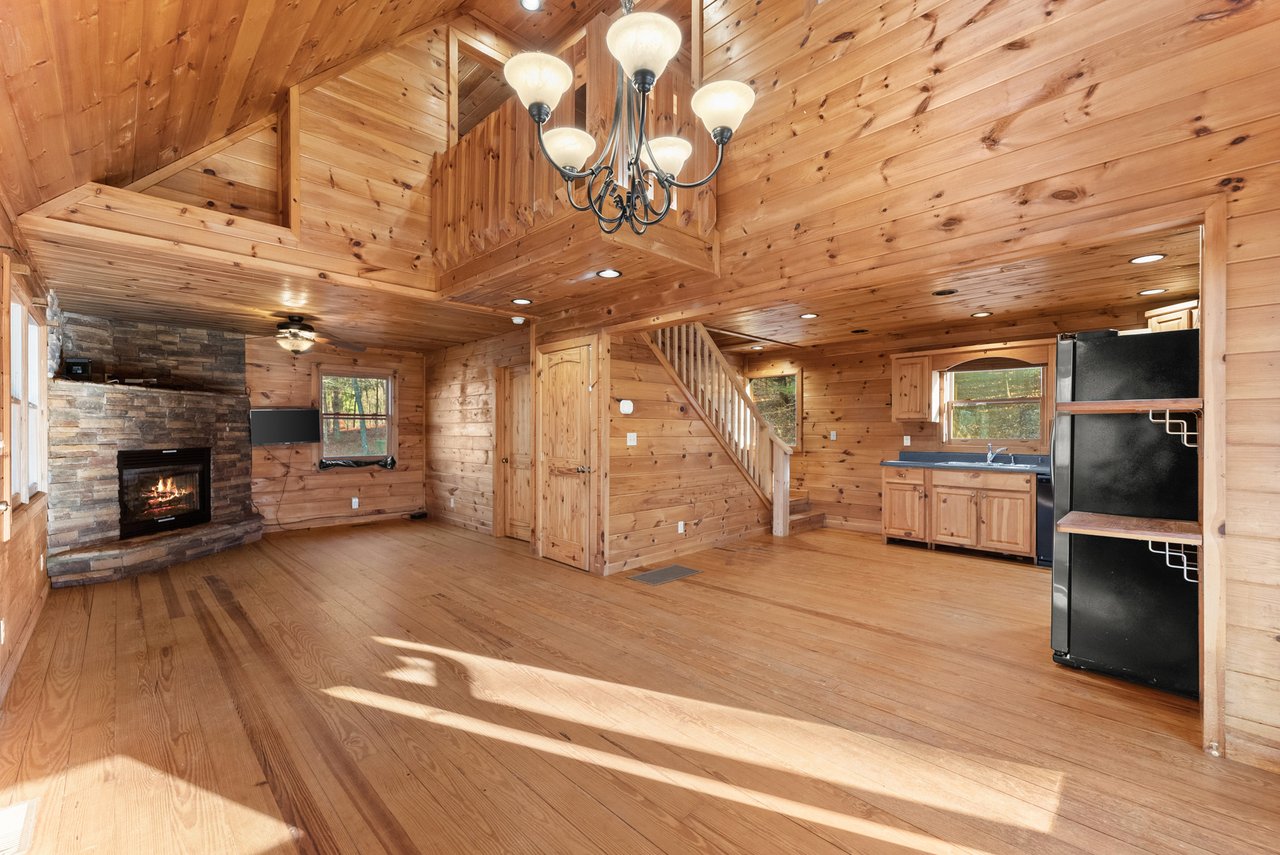
2. Deploy Remote Environmental Sensors: Cabins with open-loft floorplans or high vaulted ceilings suffer from significant thermal stratification—heat pools high in the rafters while main-level crawlspaces and lower terrace levels stay cold. Place battery-operated wireless temperature sensors in vulnerable spots like laundry closets, lower-level mechanical rooms, and basements.
3. Configure Low-Temperature Push Alerts: Program your thermostat app to send an emergency push notification and SMS if the interior temperature dips below 48°F. That provides enough lead time to dispatch a local handyman or property manager before water in lines reaches a hard freeze.
4. Install Models with Power-Outage Auto-Recovery: Mountain power grids can drop during ice storms. Ensure your unit features non-volatile memory so it immediately restores your exact setpoints and reconnects to local Wi-Fi without needing a physical reset on the wall.
5. Maintain Auxiliary Heat Safeguards: Heat pumps struggle once outdoor temperatures drop below 30°F, forcing systems onto auxiliary electric heat strips or secondary propane backup. Verify that your smart thermostat correctly triggers and monitors these secondary heat sources so the system does not run continuously in an unhelpful defrost loop.
Draining Water Lines and Safeguarding Mountain Plumbing
Water is the single greatest risk to a vacant cabin. When water freezes, it expands by roughly nine percent, producing pressure levels capable of splitting copper, cracking brass valves, rupturing PEX fittings, and shattering ceramic toilet bases. Turning off the main valve is a start, but leaving stagnant water trapped behind sealed faucets still exposes your home to burst lines. When fully taking a cabin offline for weeks or months, follow this methodical sequence to purge the plumbing system:
1. Cut Power to the Well Pump or Shut Off the Municipal Main: If your property draws from a private mountain well, flip the dedicated breaker in the electrical panel to "Off" so the pump cannot pressurize the system dry. If you are on city or county water, shut the main shutoff valve at the exterior meter or where the line enters the foundation.
2. De-energize the Water Heater: Never drain a water heater while it is still receiving power. For electric water heaters, shut off the breaker; for gas or propane tanks, turn the gas valve to "Pilot" or shut it off completely. Running an electric heating element in an empty tank will burn it out within minutes.
3. Open the Highest and Lowest Faucets: Start by opening the faucets at the highest point of the home, then work downward to the lowest sinks, outdoor spigots, and basement utility tubs. This introduces air into the lines, breaking the vacuum seal and allowing gravity to draw standing water out of the plumbing tree.
4. Flush Toilets and Empty Holding Tanks: Flush every toilet until the tank is empty, then hold down the flapper or use a sponge/small siphon to remove remaining water from the bottom of the tank and the bowl.
5. Clear Lines with Compressed Air: For total peace of mind—especially in multi-story log homes with horizontal line runs—connect an air compressor set to a gentle 30–40 PSI to the main drain valve or outdoor hose bib. Blow air through the lines until only dry mist exits each fixture.
6. Protect All P-Traps with Non-Toxic RV Antifreeze: Every sink, shower, tub drain, and toilet bowl retains water in its curved P-trap to block sewer gases from rising into the cabin. Pour a cup of non-toxic, propylene glycol-based marine/RV antifreeze (the pink fluid, never automotive ethylene glycol) into each drain to prevent those traps from cracking.
7. Winterize Exterior Spigots and Hose Bibs: Disconnect every garden hose, drain residual water from frost-free sillcocks, and place insulated foam bib covers over every exterior spigot.
8. Drain or Service the Hot Tub: If you run an outdoor hot tub, decide between maintaining continuous heat or performing a professional winter drain. If draining, use a wet/dry shop vac to suck water out of every jet, manifold, and pump line; standing water inside an unheated hot-tub pump will crack the housing during the first January hard freeze.
Smart Security and Remote Property Monitoring
Vacant mountain homes in secluded hollows or tucked along ridges naturally attract curiosity. Long private gravel driveways, absence of vehicle traffic, and dark porches signal vacancy to trespassers, poachers, and opportunists. Relying on simple deadbolts is no longer adequate when affordable smart technology allows complete oversight from a phone. The following remote security measures deter unauthorized access and keep you informed of real-time property activity:
1. Deploy Smart Locks with Remote Revocation: Keyless electronic deadbolts let you issue temporary, time-restricted access codes to chimney sweeps, pest control techs, or real estate photographers without hiding keys under rocks or doormats. Review entry logs to verify when contractors arrive and leave.
2. Select Dual-Connection or Cellular Security Hubs: Mountain Wi-Fi can drop when high winds strike mountain ridges. Choose security panels and alarm setups that offer cellular backup so intrusion, smoke, and low-temperature signals still transmit if the primary broadband router goes offline.
3. Position Strategic Outdoor Cameras: Mount motion-activated cameras covering the driveway entrance, the main front porch, and rear basement access points. Ensure cameras have built-in night vision and weather-sealed housings capable of handling sub-freezing mountain dampness.
4. Automate Interior and Exterior Lighting: A dark home night after night signals an extended vacancy. Use smart switches or smart plugs to schedule interior floor lamps and exterior porch lights to activate at staggered, natural intervals instead of an obvious static dusk-to-dawn pattern.
5. Install Smart Water-Shutoff Valves with In-Line Sensors: Devices installed on the main supply line monitor continuous flow, sudden pressure drops, and ambient pipe temperature. If a pipe cracks, these smart valves can automatically shut off the incoming water supply within seconds and ping your phone, limiting damage to a few cups rather than thousands of gallons.
Exterior Fortification, Pest Prevention, and Structural Care
Winterizing isn't strictly confined to internal plumbing and thermostats. North Georgia's thick forest canopy, abundant wildlife, and wet winter weather require proactive exterior defense before the gates are locked for the season. Mice, flying squirrels, raccoons, and bears are constantly searching for dry, quiet winter dens, and high winds will quickly exploit dead pine branches or loose roof flashing. Before departing your mountain cabin for an extended vacancy, carry out these physical exterior checks:
1. Clear Roof Valleys and Gutters: Decaying oak and pine needles trap moisture along roof eaves and clog downspouts, creating dams that can force freezing runoff beneath asphalt shingles or metal roof seams.
2. Inspect Crawlspace Foundations and Foundation Vents: Close seasonal foundation vents or install insulated vent plugs to prevent mountain drafts from blowing directly across subfloor water lines. Inspect the crawlspace perimeter for gaps larger than a pencil tip where rodents might squeeze through to escape the cold.
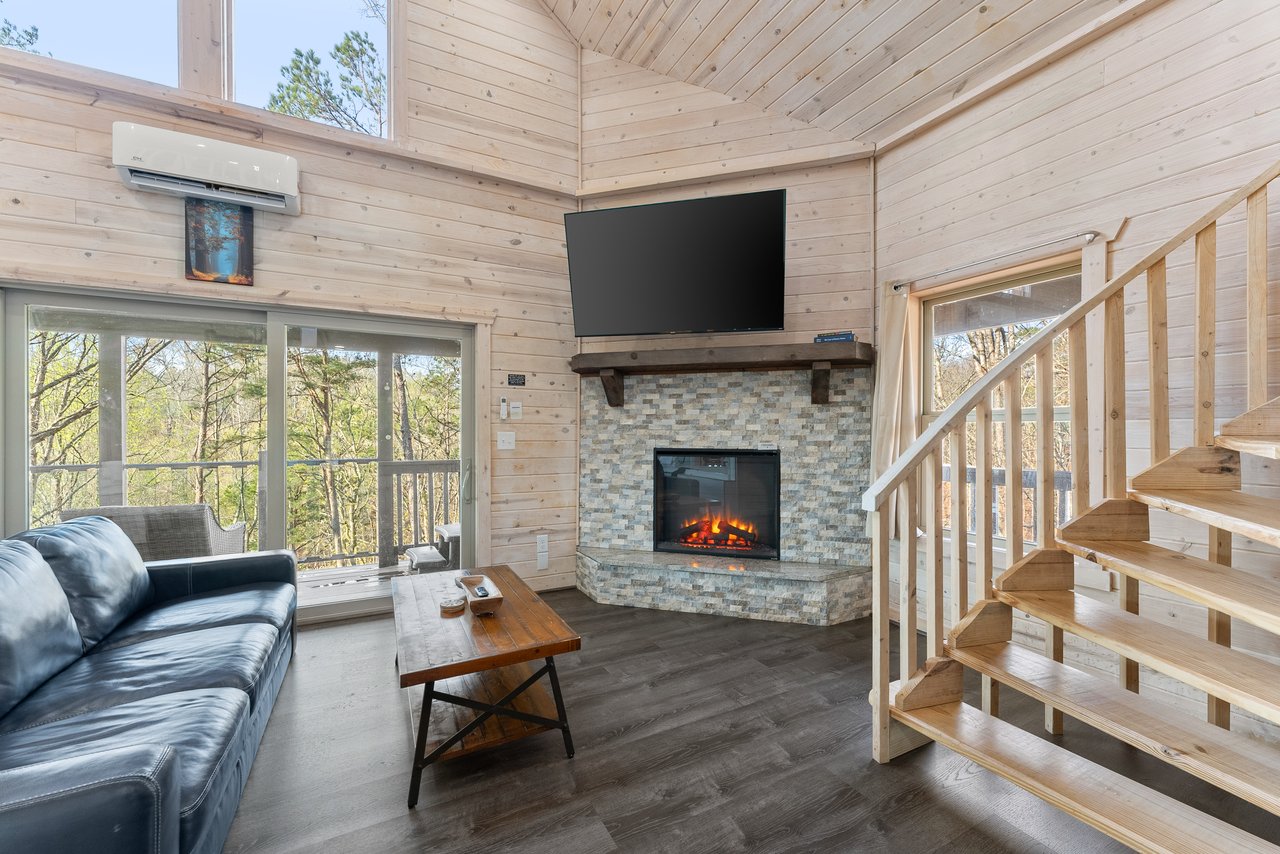
3. Cap the Chimney and Close the Flue Damper: Uncapped masonry or metal flues serve as highways for raccoons, squirrels, bats, and downdrafts. Close the damper tightly and make sure the exterior chimney spark arrestor and mesh are intact.
4. Remove All Perishables and Trash: Clear the pantry of all unsealed foods, grains, and dry goods that attract field mice. Never leave bagged household trash in outdoor deck cans; bears and critters can break into standard latched bins when food sources grow sparse in mid-winter.
5. Trim Overhanging Tree Limbs: Ice accumulation adds tremendous weight to mountain hardwoods and pine branches. Prune back limbs hanging directly over the cabin roof, deck railings, electric service drops, and propane tanks.
Taking the time to systematically winterize a North Georgia cabin protects both your physical asset and your sanity. Mountain properties offer unmatched peace and enduring long-term value, but they demand respect for the seasons and local terrain. By coupling sensible mechanical precautions with modern connected tools, you can step away from your property knowing it will weather the mountain winter soundly and be ready to welcome you back when warmer days return.