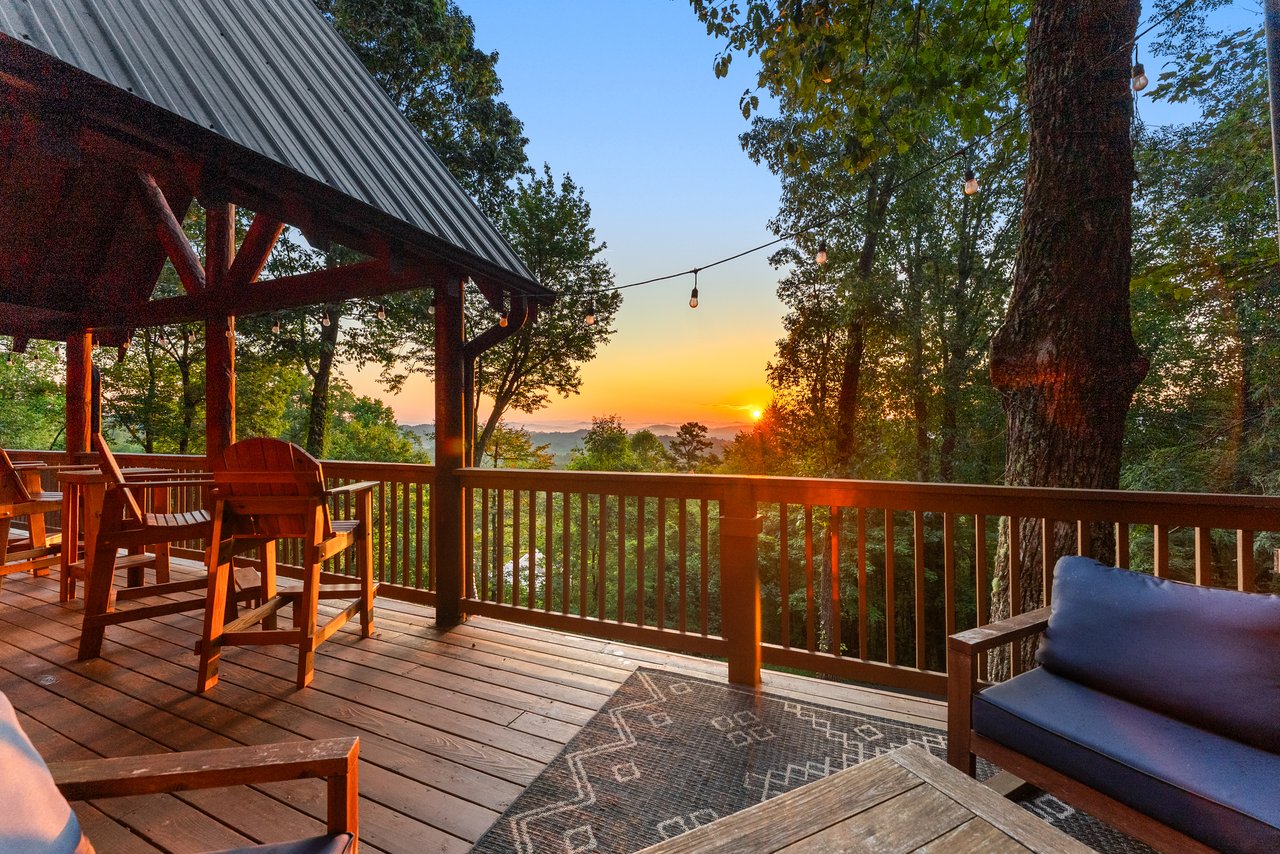
The Leaf-Off Season Advantage: How to Evaluate True North Georgia Mountain Views from October to March
Posted on October 5, 2026
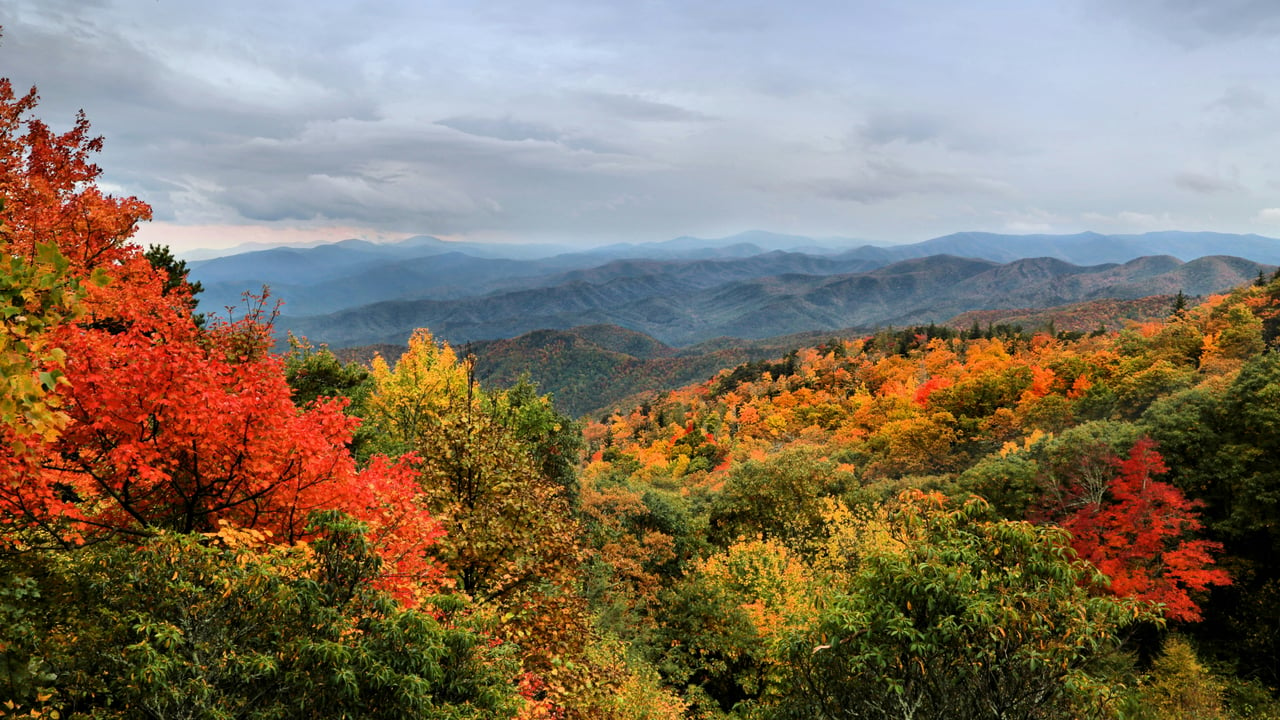
Every year around late October, as the vibrant autumn canopy sweeps across the Blue Ridge Mountains and leaves begin to drop, the North Georgia terrain undergoes a dramatic transformation.
For casual tourists, winter in the mountains means quiet cabin trips, cozy wood-burning fireplaces, and crisp winter hikes. But for savvy home buyers, land buyers, and short-term rental investors, late autumn through early spring—famously known in mountain real estate as the leaf-off season—presents the single most valuable window of opportunity all year.
When hardwood trees shed their foliage from November through March, the landscape reveals its true blueprint. The dense summer green that conceals topography, neighboring cabins, utility corridors, and seasonal obstruction disappears. A listing photo taken in July might showcase a lush, emerald backdrop, but only a leaf-off walkthrough tells you whether you are looking at a genuine long-range year-round mountain view or simply a seasonal leaf-off view that vanishes the moment spring blooms in April.
Understanding what lies behind the bare trees is essential if you are searching for a mountain cabin in Blue Ridge, acreage in Ellijay, a ridge-top lot in Blairsville, or an investment property in Dahlonega, Hiawassee, or Mineral Bluff. Evaluating real estate during these key months helps you look past listing jargon and make an informed purchase.
Key Factors to Evaluate During North Georgia's Leaf-Off Season
Before walking a mountain parcel or scheduling a cabin walkthrough between October and March, keep this comprehensive checklist in mind to accurately evaluate views, terrain, privacy, and long-term land value.
1. Distinguish Between Year-Round Views and Seasonal Views
In the Georgia Multiple Listing Service (GAMLS) and First Multiple Listing Service (FMLS), listings frequently claim "panoramic mountain views." However, there is a massive difference in property value between a true 365-day unobstructed view and a seasonal view. During leaf-off season, pay close attention to the horizon. If your sightline to distant ridgelines relies on looking straight through a thick wall of bare oak, hickory, and poplar branches, that view will likely be blocked 60% to 70% of the year once foliage returns in May. A true year-round view sits high enough above the canopy line, or overlooks a steep drop-off or protected valley, so that leaves falling or growing make zero difference to your horizon.
2. Expose True Topography and Build Envelopes
Dense summer brush and leafy ground cover hide severe grade changes, hidden ravines, rock outcroppings, and soil erosion risk. Walking a piece of land in winter allows you to see the exact contour of the terrain. You can immediately identify natural house sites, flat driveway turnarounds, usable yard space, and natural water drainage channels. Identifying whether a parcel requires expensive retaining walls, extensive excavation, or specialized deep-footing foundations before submitting an offer can save tens of thousands of dollars in sitework costs.
3. Gauge Winter Sunlight and Microclimates
Sun positioning changes dramatically between summer and winter. In the North Georgia mountains, a north-facing slope may stay shrouded in shadow all winter, keeping driveways icy, damp, and cold. Conversely, a south-facing or southwest-facing exposure catches low winter sun, providing natural passive solar heating and melting frost quickly. Touring a property during the winter months allows you to feel the actual climate on the deck, observe natural light inside the home, and verify whether dark pine or timber pockets block warmth during the coldest months.
4. Verify Neighboring Visibility and Privacy Buffers
Privacy is one of the top features buyers request when searching for North Georgia cabin rentals or custom mountain homes. In July, leaves create an illusion of total isolation from neighboring properties. In January, that buffer thins out. A winter walkthrough reveals whether neighboring decks, rooftop lines, or access roads sit directly in your line of sight. It gives you an honest assessment of setback distances and helps you determine if planting evergreens like Eastern Hemlocks, White Pines, or Leyland Cypresses will be necessary to maintain year-round privacy.
5. Identify View-Corridor Windows and Tree Clearing Potential
Many properties can be transformed from having a "filtered view" to a "sweeping layer view" with strategic vista pruning or selective tree removal. During leaf-off season, you can accurately map out which specific trees on your property block the sightline to iconic peaks like Blood Mountain, Cohutta Wilderness, or Brasstown Bald. More importantly, winter lets you confirm whether those blocking trees are actually on your parcel or sitting on a neighbor's lot, an HOA common area, or US Forest Service land where tree removal is strictly prohibited.
6. Inspect Driveways, Road Access, and Steepness
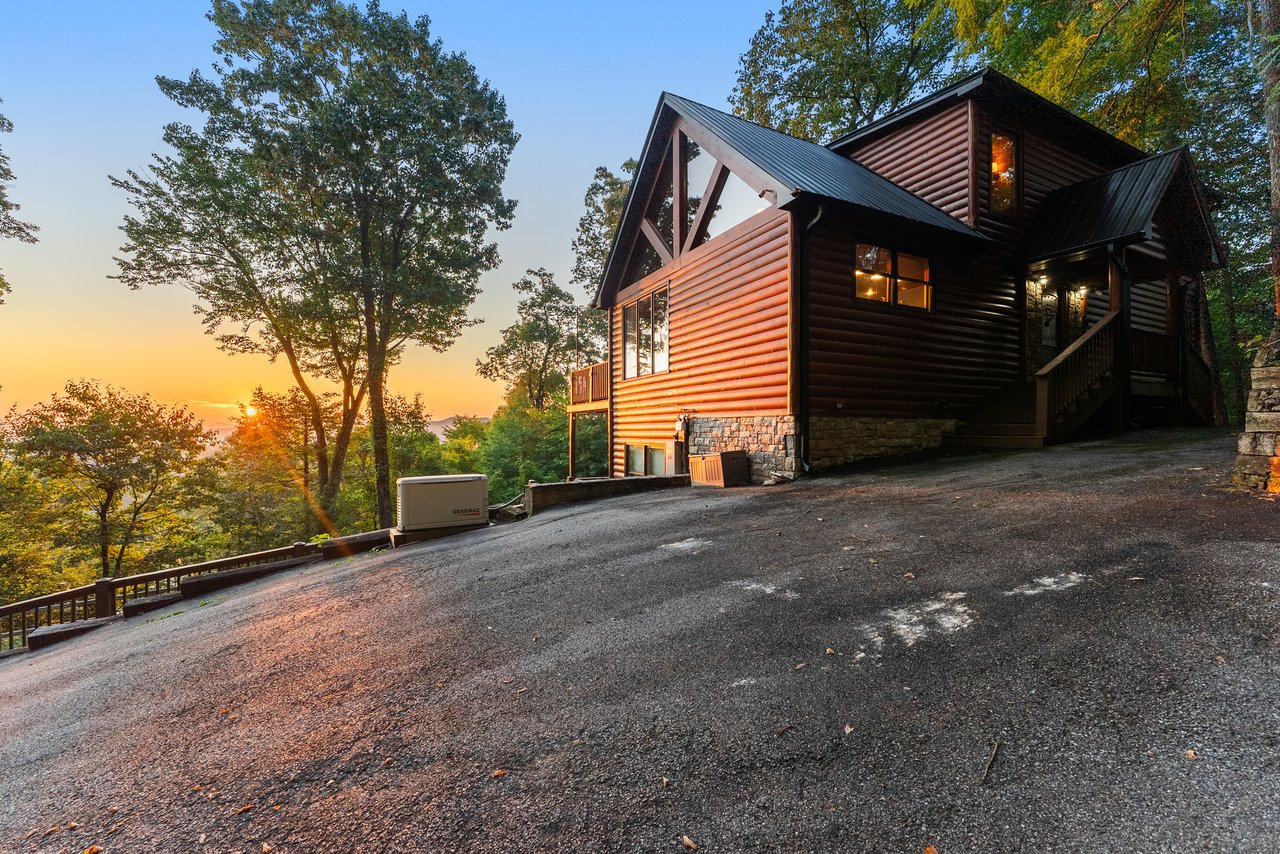
Navigating mountain roads during winter offers a real-world test of daily accessibility. During leaf-off season, you can easily evaluate road width, gravel washout patterns, slope percentages, sharp switchbacks, and drainage culverts. A steep concrete or gravel driveway that feels manageable on a dry summer day can present significant access challenges during winter frost or heavy rain. Knowing whether a road requires 4WD or routine HOA gravel maintenance is crucial for both full-time residents and short-term rental guests.
7. Analyze Infrastructure, Power Lines, and Encroachments
Bare trees disclose what man-made features surround the home. High-voltage transmission lines, neighboring water tanks, cell towers, or nearby highway corridors that remain hidden under summer foliage stand out clearly in winter. Spotting these visual encroachments early prevents unexpected surprises and ensures your investment retains strong resale value.
8. Protect Your Short-Term Rental (STR) ROI and Guest Expectations
For real estate investors buying vacation rental properties in Fannin County or Gilmer County, marketing accuracy directly drives 5-star guest reviews. If your listing photos advertise a vast mountain panorama taken in December, but guests arriving in July find themselves looking into a wall of green leaves, review scores can take a hit. Evaluating the property during leaf-off season gives you an accurate baseline for setting guest expectations, writing honest property descriptions, and pricing seasonal rental rates accurately throughout the calendar year.
Maximizing Your Winter Real Estate Strategy
Navigating mountain real estate requires looking beyond marketing photos and assessing how a home or lot performs across all four seasons. While summer offers lush green forests and warm weather, the winter window provides raw transparency.
Taking advantage of the leaf-off season from October to March gives you the clarity needed to evaluate true sightlines, privacy boundaries, construction feasibility, and long-term land potential. Walking the land in winter ensures that when the leaves return in spring, your mountain view and your investment remain on solid ground.
Stay up to date on the latest real estate trends.





With in-depth knowledge of the local market, skilled negotiation, and a client-first approach, Jacklyn works diligently to help buyers find the right home and sellers maximize the value of their property.
JACKLYN ZUNIGA
10900 Crabapple Rd Roswell, GA 30075