Crackling Fires and Smooth Closings: Why North Georgia Mountain Cabin Sellers Need a Pre-Listing Chimney Inspection
Posted on September 29, 2026
If you have ever spent a crisp autumn evening in Blue Ridge, Ellijay, or Blairsville, you know that the hearth is the soul of a mountain home.
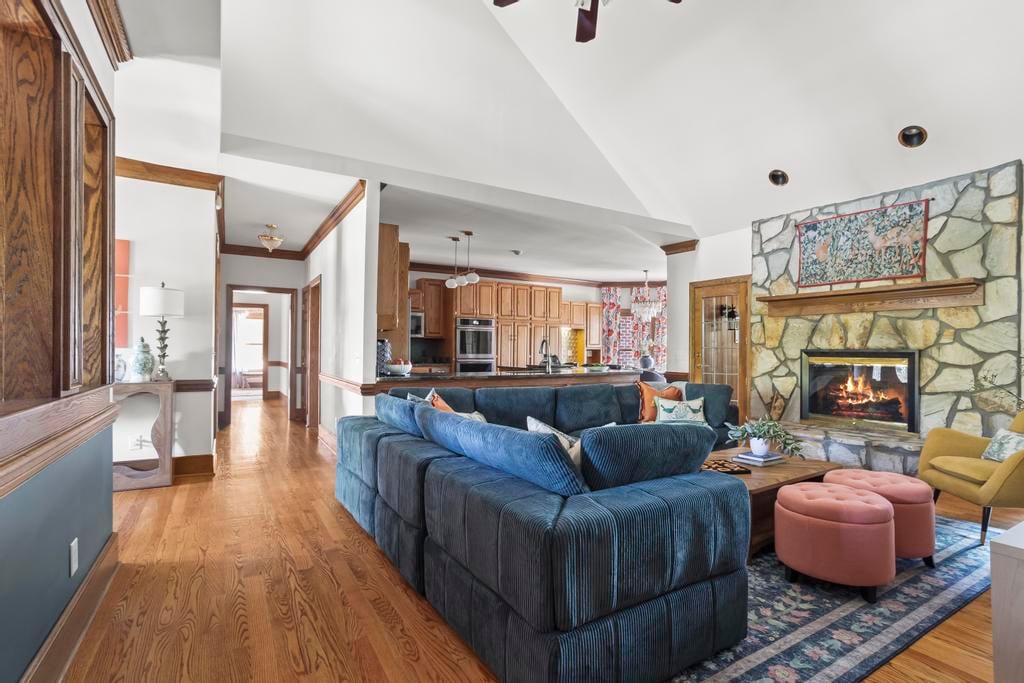
Whether it is an authentic floor-to-ceiling river rock fireplace, a cozy wood-burning stove in a rustic log cabin, or a modern vented gas unit overlooking the Cohutta Wilderness, fireplaces sell the mountain lifestyle. Buyers touring properties in Fannin, Gilmer, or Union County are not just looking at square footage; they are imagining themselves wrapped in a blanket, hot cider in hand, watching wood embers crackle on a snowy night.
Fireplaces and chimneys are among the most heavily scrutinized items during a buyer’s due diligence period. When an unexpected chimney defect surfaces days before closing, it can lead to massive repair demands, delayed escrow, or buyers walking away entirely. Taking a proactive approach by ordering a pre-listing chimney and fireplace inspection puts you in complete control of your listing, protects your equity, and ensures your mountain cabin moves smoothly from "For Sale" to "Sold."
What Standard Home Inspections Miss (And Why Level 2 Inspections Matter)
Many sellers assume that if their general home inspector gives the cabin a thumbs-up, the fireplace is safe to go. That is a risky assumption. General home inspectors perform visual, non-invasive evaluations. They will open the damper, look up with a flashlight, and check for obvious exterior masonry cracks, but they rarely have the specialized equipment required to see deep inside the flue.
In Georgia, the standard of care for real estate transactions follows National Fire Protection Association (NFPA) guidelines. When a property transfers ownership, NFPA 211 recommends a Level 2 Chimney Inspection. A certified chimney technician performs a Level 2 inspection using specialized camera equipment inserted into the flue, examining every inch of the chimney’s interior from the hearth to the crown. They evaluate:
Internal creosote accumulation levels.
The structural integrity of the flue lining and tile joints.
Exterior caps, flashing, crowns, and masonry condition against water intrusion.
Proper clearances between wood framing and hot masonry or metal stove pipes.
Gas line connections, pilot assemblies, and ventilation mechanisms for gas log setups.
Common Fireplace and Chimney Hazards in North Georgia Cabins
Mountain homes face unique environmental factors. Between our damp Appalachian winters, summer downpours, freeze-thaw cycles, and heavy wood usage, local fireplaces take a beating. Before putting your home on the market, it helps to understand what chimney technicians frequently find in local properties:
1. Glazed Creosote Buildup: Unseasoned hardwood burnt over cold mountain winters creates thick, highly flammable creosote. Stage 3 creosote looks like hard, shiny tar and poses a severe chimney fire risk if not professionally scraped or treated.
2. Cracked or Shifted Flue Tiles: The rapid heat changes common in wood-burning fireplaces cause clay flue tiles to crack over time. A single cracked tile allows intense heat and toxic carbon monoxide to seep into your home’s wooden framing.
3. Water Damage and Spalling Masonry: Rain, humidity, and winter freezing cause water to soak into exterior brick or rockwork. This causes stones to loosen, mortar to crumble (spalling), and interior damper components to rust solid.
4. Improper Clearance to Combustibles: In rustic log homes or tongue-and-groove cabins, stovepipes or hearth setups are sometimes installed too close to exposed wooden walls or structural beams, creating a severe fire hazard.
5. Critter Encroachment: Squirrels, raccoons, bats, and chimney swifts love high-altitude flues. Missing or damaged chimney caps often result in animal nests blocking draft pathways.
How a Pre-Listing Inspection Protects Your Equity and Timeline
Waiting for the buyer's inspector to discover fireplace issues leaves you vulnerable during price negotiations. Discovering problems on your own terms before taking listing photos provides distinct strategic advantages. Here is how getting inspected beforehand protects your bottom line:
1. Eliminates $5,000+ Surprise Closing Concessions: When buyers discover a cracked flue during due diligence, they often demand high-end contractor estimates or massive price credits. Fixing or cleaning it ahead of time lets you control repair costs.
2. Prevents Underwriter and Insurance Roadblocks: Modern mortgage underwriters and home insurance providers in North Georgia frequently require proof of a clean Level 2 chimney report before approving policy coverage or loan funding.
3. Maintains Seller Leverage: Fixing issues upfront allows you to market your cabin as "fully inspected, certified, and turn-key ready," giving buyers zero room to haggle over maintenance concerns.
4. Avoids Last-Minute Closing Delays: Specialized chimney sweeps and masons in rural North Georgia often book out several weeks in advance during peak fall and winter buying seasons. Early inspection prevents frantic scheduling rushes.
Your Pre-Listing Fireplace Action Plan
If you are getting ready to list your mountain home, cabin, or chalet, taking a few systematic steps now will make your real estate journey far more rewarding. Follow this simple checklist before launch:
1. Hire a CSIA-Certified Technician: Ensure your inspector is certified by the Chimney Safety Institute of America (CSIA) or the National Fireplace Institute (NFI). General handymen should not perform Level 2 real estate video inspections.
2. Gather Historical Maintenance Records: Compile receipts for past sweeps, liner installations, or gas log servicings. Place them in your seller document packet—buyers love seeing a paper trail of attentive care.
3. Run a Test Burn or Gas Check: Test your gas logs or light a small wood fire weeks before going live to verify dampers operate smoothly and smoke drafts up the flue properly without spilling into the living room.
4. Complete Repairs Before Photography: If minor masonry repairs, cap replacements, or sweeping are needed, finish them before your real estate photographer arrives so the hearth looks clean and inviting in online gallery photos.
A working fireplace is one of the most emotional buying triggers for anyone searching for a getaway in the North Georgia mountains. By investing in a pre-listing chimney inspection, you protect your home’s safety, preserve your hard-earned equity, and offer prospective buyers complete confidence as they picture themselves warm by the fire in their new mountain retreat.
Stay up to date on the latest real estate trends.
With in-depth knowledge of the local market, skilled negotiation, and a client-first approach, Jacklyn works diligently to help buyers find the right home and sellers maximize the value of their property.
JACKLYN ZUNIGA
10900 Crabapple Rd Roswell, GA 30075