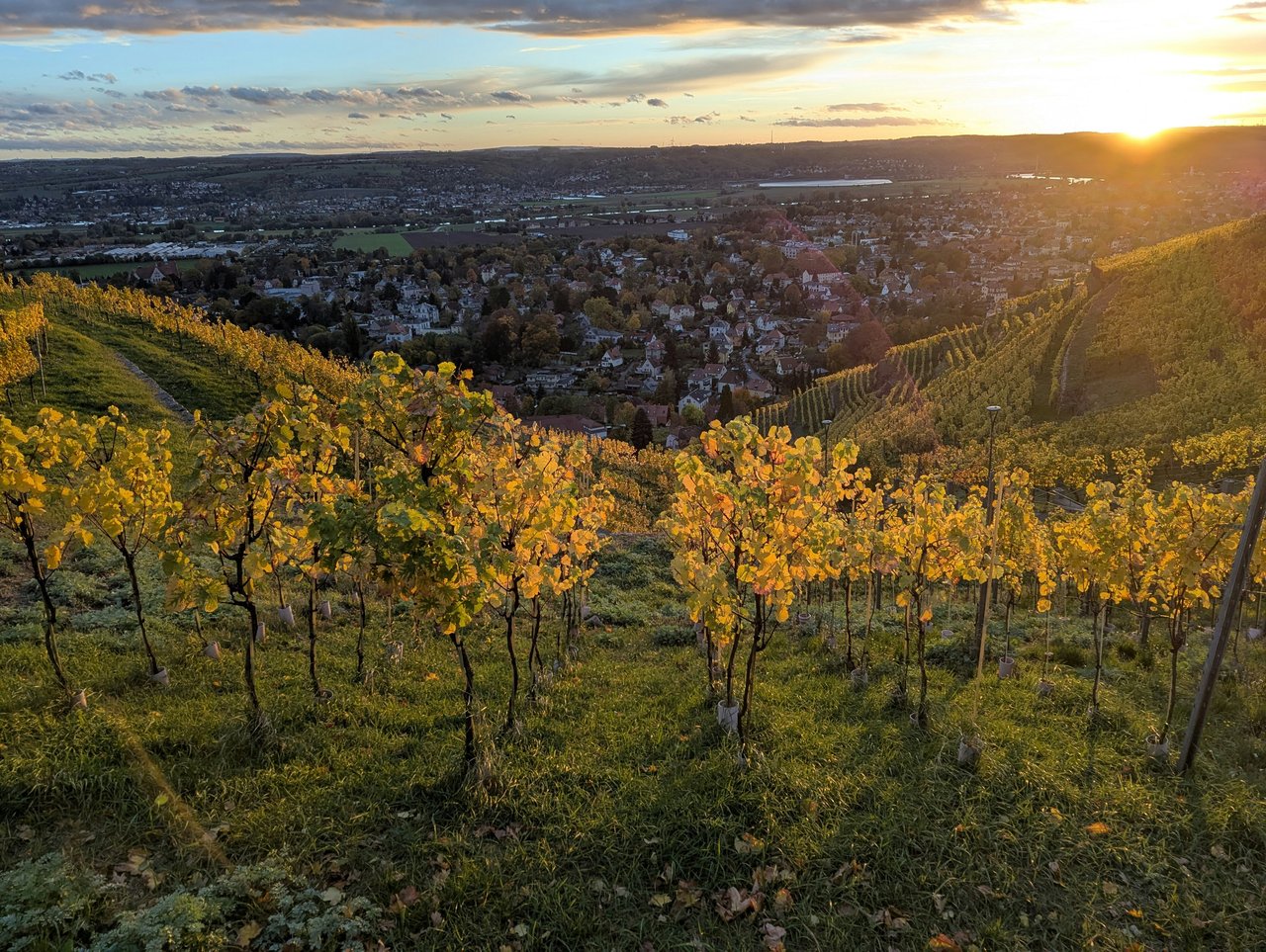
Beyond the Vines: How the North Georgia Wine Highway Is Driving Property Values in Dahlonega and Helen
Posted on September 21, 2026
When people talk about North Georgia real estate, the conversation used to revolve purely around rustic weekend cabins, fall leaf-peeping, and quiet mountain retreats. Over the past decade, however, the landscape has shifted dramatically. The rise of the North Georgia Wine Highway has transformed Lumpkin and White counties into premier destination hubs, earning the region well-deserved comparisons to the early days of Napa Valley or the Willamette Valley.
Does living or investing near a vineyard actually increase property values? The short answer is yes—substantially so. Properties tucked along the wine trail, particularly those around Dahlonega and Helen, carry unique pricing leverage, elevated short-term rental yields, and strong long-term appreciation. However, buying near wine country comes with specific nuances that buyers need to understand before signing on the dotted line.
Why Proximity to Vineyards Elevates Local Real Estate
Living within a five-to-ten-minute drive of a major tasting room or owning land with a direct view of rolling grapevines isn't just about lifestyle perks. It creates a distinct economic micro-market that insulates local real estate from broader market downturns.
Before looking at specific towns, here are the primary drivers pushing valuations higher near the North Georgia Wine Highway:
1. The "Vineyard View" Equity Premium
Just like water views command a premium on Lake Lanier or Blue Ridge, direct vineyard views or shared ridgelines near established wineries add instant appraisal value. Properties overlooking cultivated vines frequently command 15% to 25% higher resale prices than comparable homes just a few miles away without scenic agricultural backdrops.
2. Accelerated Short-Term Rental (STR) Cash Flow
Vacation rentals situated along the wine highway experience higher occupancy rates year-round compared to traditional mountain cabins. While standard cabin rentals peak during autumn, wine country properties maintain high booking rates across spring weddings, summer wine tours, harvest season, and winter holiday escapes.
3. Finite Land and Geographical Scarcity
Vineyards require specific elevation, soil composition, drainage, and sun exposure—attributes defined by the region's geography. Because suitable viticultural land is limited, surrounding residential parcels automatically benefit from the scarcity of available acreage.
4. Commercial Infrastructure Spillovers
Where wineries grow, high-end farm-to-table restaurants, boutique resorts, spa facilities, and upgraded road corridors follow. This commercial development lifts the entire surrounding neighborhood's desirability without compromising the rural, scenic charm buyers want.
Dahlonega: The Heart of the Dahlonega Plateau AVA
Dahlonega isn't just a historic gold rush town anymore; it is the official anchor of the Dahlonega Plateau AVA (American Viticultural Area). This federal designation recognizes the unique climate and soil of the area, placing Lumpkin County squarely on the national viticultural map. Wineries like Montaluce, Wolf Mountain, Cavender Creek, and Kaya have turned Dahlonega into a powerhouse for both tourism and luxury real estate.
If you are looking at properties for sale in Dahlonega near the wine trail, here is how the local real estate dynamics stack up:
1. Luxury Estates and Custom Build Sites
The area surrounding Highway 52 East and Cavender Creek Road features sprawling multi-acre estates, Tuscan-inspired architectural homes, and high-end craftsman retreats. Lots in this corridor carry a higher price per acre, as buyers compete for land suitable for custom builds or private mini-vineyards.
2. High-Performing Investment Cabins
Short-term rentals located within 10 minutes of downtown Dahlonega and major tasting rooms see elevated average daily rates (ADRs). Investors often target 3-to-5-bedroom properties capable of accommodating wedding parties, corporate retreats, and weekend bachelorette groups.
3. Unimproved Land for Agritourism
Acreage parcels with gentle topography and good sun orientation are in high demand. Buyers aren't just building single-family homes; many are purchasing 10 to 30 acres to establish private estates, wedding venues, or boutique agricultural operations.
Helen & Sautee Nacoochee: Alpine Charm Meets Wine Country
Moving east into White County, the area surrounding Helen and the historic Sautee Nacoochee Valley offers a slightly different appeal for real estate buyers. While Helen is famous for its Bavarian alpine architecture and Oktoberfest, the surrounding hillsides host powerhouse vineyards like Yonah Mountain Vineyards and Serenity Cellars.
The combination of outdoor recreation, cultural tourism, and vineyard proximity creates a diverse real estate landscape around Helen:
1. Dual-Driver Rental Demand
Properties near Helen benefit from two distinct buyer and renter demographics: tourists coming for mountain tubing, hiking, and Oktoberfest, alongside visitors seeking upscale wine tastings and mountain views around Mount Yonah. This dual demand lowers vacancy risk for rental property owners.
2. High-Density Vacation Communities
Unlike Lumpkin County, which features more spread-out acreage estates, White County has several established mountain communities with existing vacation rental infrastructure. These pockets offer turnkey opportunities for investors seeking managed cabins close to the Highway 75 wine corridor.
3. Historic and Scenic Valley Acreage
The Sautee Nacoochee Valley offers some of the most protected scenic views in North Georgia. Real estate here holds immense value due to strict conservation efforts and historic preservation, making available homes highly sought after by retirees and second-home buyers.
The Investor’s Playbook: What to Know Before Buying Near the Wine Highway
Investing in wine country real estate isn't as simple as buying a cabin and putting it on Airbnb. The intersection of rural land, heavy tourist traffic, and local regulations requires careful due diligence.
If you are evaluating property near Dahlonega or Helen vineyards, keep these critical factors in mind:
1. County STR Regulations and Zoning Limits
Lumpkin County and White County have distinct rules governing short-term rentals. Unincorporated county areas often feature different permitting processes, tax structures, and noise ordinances than property located within city limits. Always verify current zoning classifications before assuming a property can be rented short-term.
2. Infrastructure and Utility Considerations
Many vineyard-adjacent properties rely on private wells, septic systems, and gravel access roads. High-capacity vacation rentals with large guest counts require properly sized septic systems and reliable water wells. Additionally, check for high-speed fiber internet availability if you plan to target remote workers or luxury vacationers.
3. Traffic and Event Proximity
Living next door to a popular wedding or wine venue means handling weekend event traffic, live music, and bright lights. While being two miles down the road offers the ideal balance of proximity and peace, living right on the property line of a high-volume tasting room might not suit every residential buyer.
4. Resale Liquidity and Long-Term Value
Properties with true mountain views, direct access to paved county roads, and close proximity to the wine trail hold their value far better during economic shifts. Prioritize location and topography over cosmetic upgrades that can easily be changed later.
The growth along the North Georgia Wine Highway has fundamentally reshaped property dynamics across Lumpkin and White counties. Whether your goal is finding a quiet mountain home with a sunset view over the vines, buying land for a future estate, or adding a high-yield vacation rental to your portfolio, proximity to Georgia’s wine country remains one of the strongest long-term value indicators in our regional market. Understanding local zoning, micro-location trends, and infrastructure requirements will ensure your investment produces great results for years to come.
Stay up to date on the latest real estate trends.

With in-depth knowledge of the local market, skilled negotiation, and a client-first approach, Jacklyn works diligently to help buyers find the right home and sellers maximize the value of their property.
JACKLYN ZUNIGA
10900 Crabapple Rd Roswell, GA 30075