Fall Well Water Care: Managing Deep Wells and Filtration Systems in North Georgia Mountain Real Estate
Posted on September 28, 2026
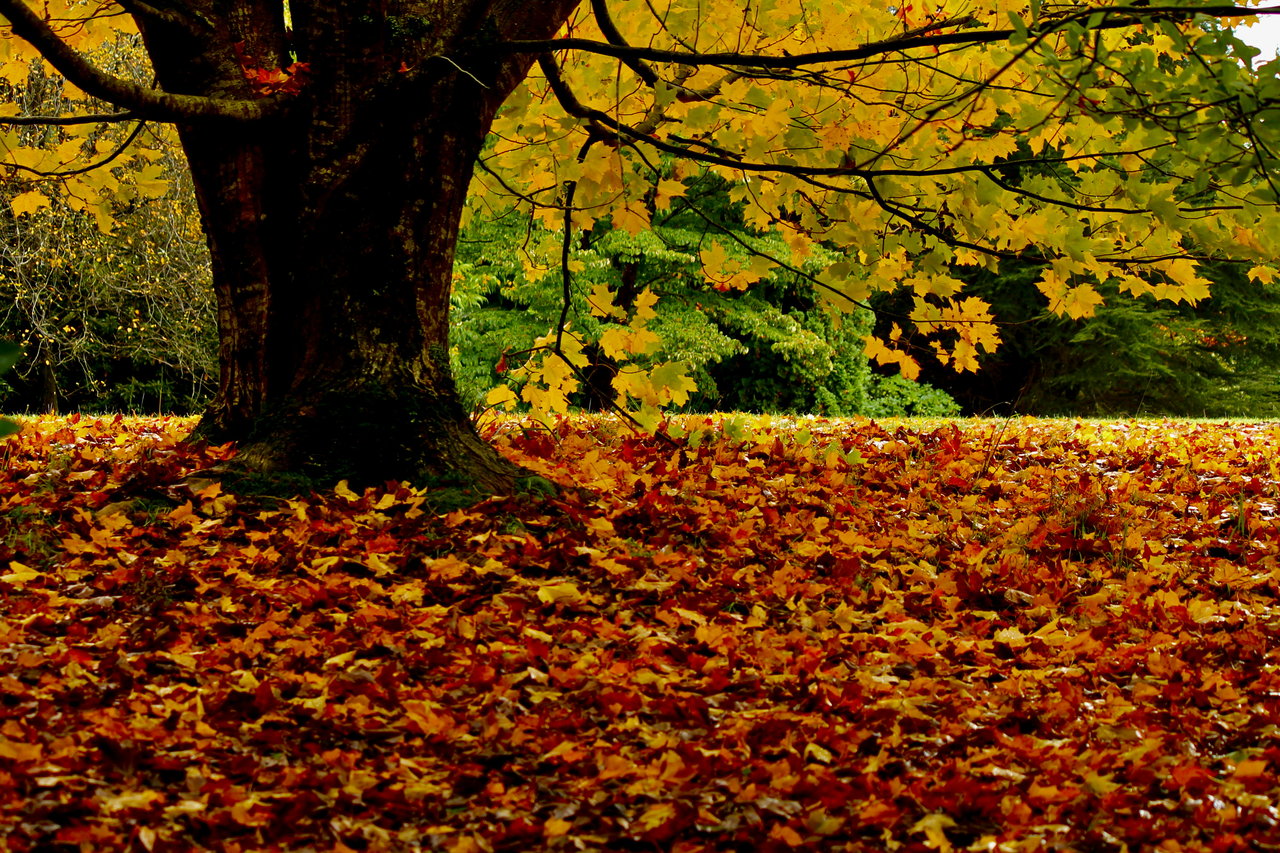
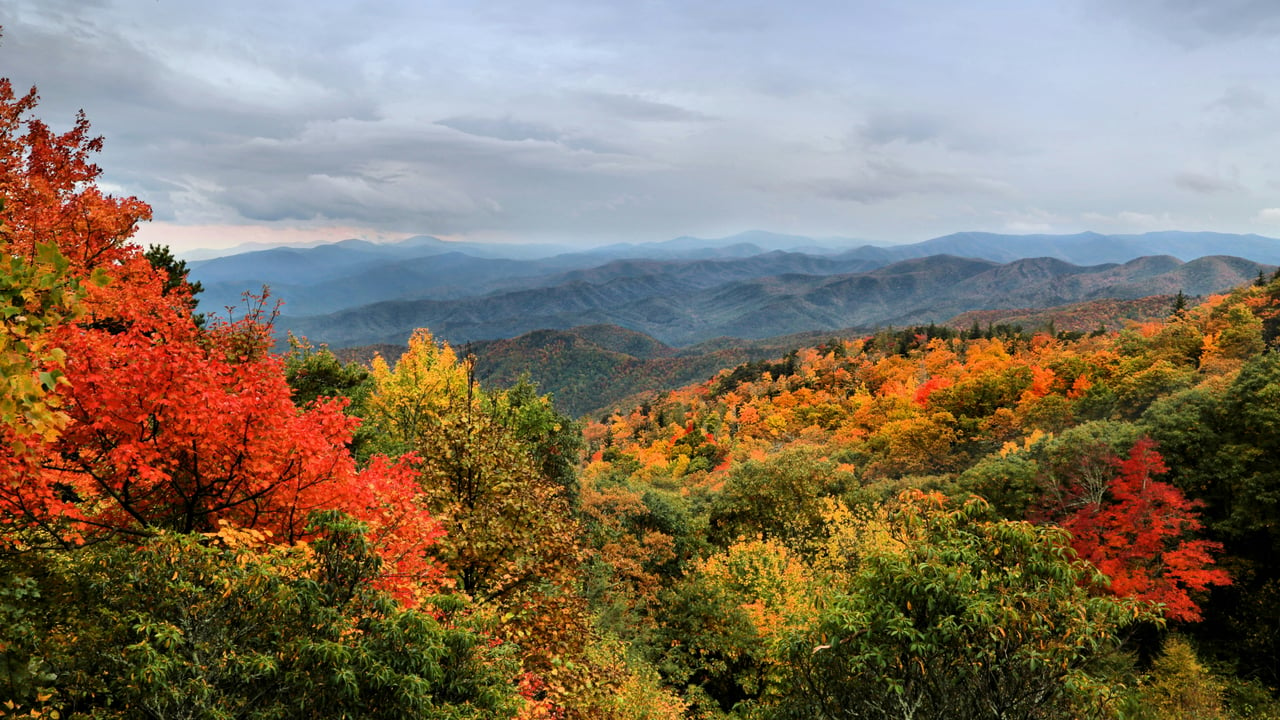
Autumn in the North Georgia mountains brings crisp morning air, vibrant leaf changes across Blue Ridge, Ellijay, and Blairsville, and a subtle shift in how we manage our mountain homes. Buying or owning a mountain property means embracing a different relationship with your infrastructure—especially your water supply.
Unlike municipal city water in metro Atlanta, most rural and mountain properties across Fannin, Gilmer, Union, Lumpkin, and Towns counties rely on private deep rock wells. These wells tap hundreds of feet into subterranean granite bedrock to pull fresh, pure Appalachian groundwater. However, as temperatures drop, autumn leaf litter accumulates, and seasonal rainfall patterns shift, your well and whole-house water treatment systems face unique seasonal stresses.
Taking time in early fall to inspect, service, and winterize your well system protects your household's health, prevents costly plumbing emergencies during freezing weather, and safeguards one of your home's most vital real estate assets.
Understanding North Georgia Deep Rock Wells and Water Characteristics
Before diving into autumn maintenance, it helps to understand why mountain well water behaves differently than well systems in coastal or flatland regions. North Georgia’s geology directly dictates your water quality and system mechanics. Here are the primary geological and water characteristics that define mountain deep rock wells across North Georgia:
1. Granite Bedrock Depth: Mountain wells in places like Dahlonega, Suches, and Hiawassee are typically drilled into crystalline rock or granite formations, often reaching depths between 300 to 600 feet (and sometimes deeper on high ridgelines). Water is stored within natural fractures in the rock rather than broad sand aquifers.
2. Naturally Acidic Water (Low pH): The granite and quartz geology in the Blue Ridge Mountains frequently yields water with a pH level below 6.5. Acidic water acts aggressively toward home plumbing, leaching copper from pipes, leaving green/blue stains on porcelain fixtures, and shortening the lifespan of water heaters if left untreated.
3. Dissolved Minerals (Iron & Manganese): Deep rock aquifers in North Georgia commonly contain dissolved iron and manganese. While safe in small quantities, high levels cause unsightly reddish-orange or dark brown staining on sinks, tubs, and laundry, along with metallic tastes and clogged filter media.
4. Micro-Sediment and Silt Buildup: Hydro-fractured deep wells can experience seasonal shifts in sediment generation. Dry summer spells followed by heavy autumn rains cause micro-particulate, sand, and clay silt to stir up from deep fractures and enter your filtration line.
5. Biological Vulnerabilities: Although deep rock wells are naturally protected from surface contaminants, surface runoff from fall rainstorms can find pathways into compromised well caps, old casings, or nearby septic field lines if sanitary seals are worn out.
The Ultimate Fall Maintenance Checklist for Mountain Well Systems
To keep your water crystal clear and prevent freeze damage when temperatures dip below 32°F in the high elevations, perform this step-by-step well maintenance routine every fall. Follow these sequential steps to thoroughly audit and prepare your deep well water system for the autumn and winter months ahead:
1. Inspect and Insulate the Wellhead and Pump House
Walk out to your wellhead and inspect the sanitary seal, casing, and vent screen. Ensure the well cap is securely bolted and that no cracks or openings exist where bugs, autumn leaf litter, or small rodents could enter. If your pressure tank and well pump controls sit inside an above-ground well house, clear away surrounding leaves and debris to deter nesting pests. Check that heat tape on exposed pipes is functioning, test your well house space heater, and insulate all exposed supply lines before the first hard freeze hits the mountain.
2. Flush Spin-Down Strainers and Replace Whole-House Sediment Filters
Heavy water usage during summer, combined with fall mineral settling, fills sediment cartridges quickly. Clean out your pre-filter spin-down strainer by opening the purge valve at the base of the housing to flush trapped sand and grit. Next, bypass your main water line, relieve the pressure, and replace the whole-house sediment filter cartridge (typically a 5-micron to 20-micron melt-blown or pleated sediment filter). Fresh filters restore optimal water pressure and protect downstream equipment from clogging.
3. Service Your Ultraviolet (UV) Disinfection System
If your mountain home uses a UV light system to neutralize coliform bacteria and pathogens, fall is the ideal time for routine service. Shut off power to the unit, remove the protective quartz sleeve, and clean away any mineral scale or iron buildup using a mild descaling solution like citric acid or vinegar. If your UV lamp is nearing 12 months of continuous operation (roughly 9,000 hours), replace the bulb to ensure the light intensity remains high enough to sterilize passing water effectively.
4. Recharge Neutralizers and Check Water Softeners
For homes equipped with acid-neutralizing tanks (calcite/corosex media) to raise water pH, check the media bed level inside the tank. Fall is the standard time to top off calcite media so your water remains at a neutral 7.0 pH throughout winter. If you operate an ion-exchange water softener or iron removal filter, check the brine tank, clear out any salt bridging, and replenish with fresh water-softener salt pellets.
5. Inspect the Pressure Tank and Pressure Switch
A malfunctioning pressure tank can cause your deep well pump to rapid-cycle, dramatically shortening pump motor life and spiking electricity bills. Turn off power to the pump, drain the pressure tank, and test the air pressure valve (Schrader valve) on top using a tire gauge. The air pressure should read 2 PSI below your pressure switch's cut-in setting (for example, 38 PSI for a 40/60 PSI system). While inspecting, remove the cover from the electrical pressure switch and clean out any spiders, dust, or moisture that might bridge the electrical contacts.
Prepare Backup Power and Freeze Recovery Protocols
Winter weather in North Georgia mountain passes can cause power outages due to fallen ice-laden tree limbs. Because deep rock well pumps run on 220V electricity, a standard household generator or transfer switch setup is essential to keep water flowing during an outage. Ensure your backup generator is serviced, fueled, and tested before winter arrives, and keep spare sediment filters, UV lamps, and pipe insulation on hand in your home utility room.
What Mountain Buyers and Sellers Must Know About Well Water Real Estate
In North Georgia mountain real estate transactions, private water systems represent both value and risk. Whether you are selling a cabin in Ellijay or buying a luxury mountain retreat in Blue Ridge, clear understanding and proper documentation of your well system are essential for a smooth closing. Here are key well water factors every buyer, seller, and investor in North Georgia should keep top of mind:
1. Comprehensive Water Quality Testing: Standard mortgage lenders (FHA, VA, USDA, and conventional loans) frequently require or strongly recommend water testing for private wells. A complete mountain water test panel should check for coliform bacteria, E. coli, nitrates, lead, copper, iron, hardness, turbidity, and pH levels.
2. Well Flow Rate Tests (GPM): Mountain homes located on steep ridges or high elevation lots should undergo a well yield test before closing. A yield test measures gallons per minute (GPM) over a 2- to 4-hour period to ensure the aquifer and recovery rate can support household demand during dry autumn months.
3. Seller Disclosure Integrity: Georgia real estate seller disclosure forms require property owners to disclose known issues regarding well depth, pump age, water flow shortages, or required treatment equipment. Servicing filters and keeping receipt records of UV bulb replacements or media top-offs demonstrates meticulous home maintenance to prospective buyers.
4. Septic Separation Requirements: In rural mountain counties, environmental health regulations enforce strict setback distances between private wellheads and septic tank absorption fields (typically a minimum of 100 feet). Fall visual inspections help ensure that runoff from heavy rains flows away from both systems.
Managing a deep rock well and multi-stage filtration system is simply part of the rewarding rhythm of mountain living. Taking an hour or two each fall to flush sediment lines, service UV purifiers, top off media tanks, and insulate exposed plumbing keeps your water pure, protects your mechanical investments, and gives you total confidence in your home's infrastructure throughout the colder months.
When your well system is running smoothly, you can spend less time worrying about plumbing maintenance and more time enjoying the stunning fall foliage, cool mountain evenings, and unmatched peace of mind that comes with owning property in North Georgia.
Stay up to date on the latest real estate trends.




With in-depth knowledge of the local market, skilled negotiation, and a client-first approach, Jacklyn works diligently to help buyers find the right home and sellers maximize the value of their property.

JACKLYN ZUNIGA
10900 Crabapple Rd Roswell, GA 30075