Steps When Buying or Selling a Home with Private or Shared Wells in North Georgia
In many areas of North Georgia, homes rely on private wells or shared wells instead of municipal water systems. Properties in areas such as Dawsonville, Dahlonega, Cleveland, Blairsville, Ellijay, and Jasper commonly use well systems due to their rural geography and mountain terrain.
While wells can provide a reliable and cost-effective water supply, buying or selling a property with a well involves additional due diligence, permits, inspections, and regulatory compliance. Understanding these steps will help both buyers and sellers avoid delays during the transaction and ensure the water system meets local and state requirements.
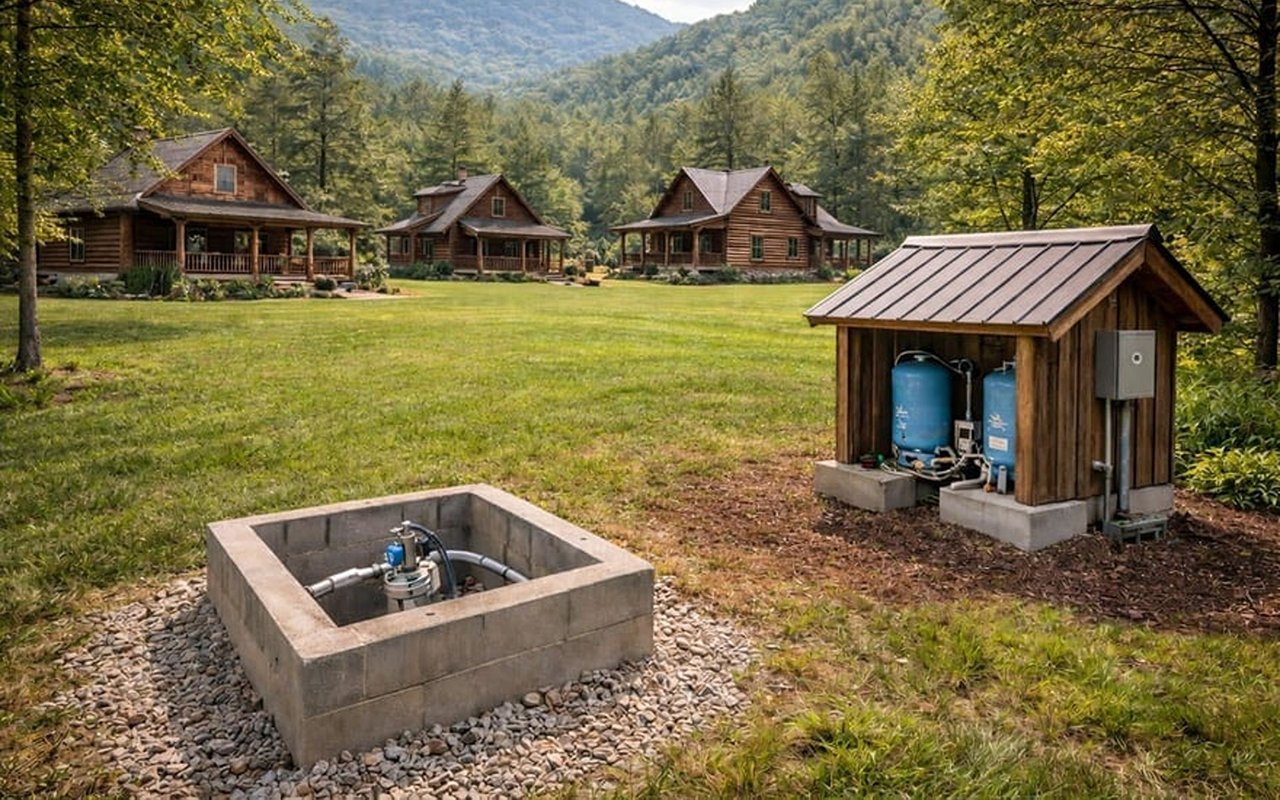
A private well supplies water to a single property and is owned and maintained by the homeowner. Typical components include:
Homeowners are responsible for maintenance, repairs, and water testing.
A shared well supplies water to two or more properties. Shared wells are common in rural developments where installing individual wells may not be practical. These systems typically require:
Most lenders require clear documentation to ensure the well system meets financing guidelines.
In Georgia, most private residential wells do not require a state permit, but they must follow construction standards and local health department requirements. Well installation and construction are governed by the Georgia Water Well Standards Act, overseen by the Georgia Environmental Protection Division.
All wells must be drilled by a licensed water well contractor certified by the EPD. The contractor must:
In many North Georgia counties, the County Environmental Health Department reviews well locations as part of septic and site approval. This typically occurs during:
Local environmental health offices ensure the well location meets public health guidelines.
Georgia regulations require wells to be located away from contamination sources. Typical minimum separation distances include:
These distances help prevent contamination of groundwater supplies.
The Georgia Environmental Protection Division (EPD) establishes statewide rules for:
These standards exist to protect groundwater and public health.
Shared wells are common in North Georgia rural properties, but they require additional documentation.
Most lenders require a recorded shared well agreement that clearly outlines:
These agreements are usually recorded with county land records.
In some counties, shared wells may require:
If a well serves multiple homes beyond a certain threshold, it could be considered a non-public water system, which may fall under additional regulatory oversight.
Water testing is one of the most important steps when purchasing a home with a well. Typical tests evaluate:
Although private residential wells are not always required to undergo regular testing by the state, many lenders and inspectors recommend testing during every real estate transaction. Some programs, such as FHA or VA loans, may require testing prior to closing. Health departments often recommend annual bacteria testing and chemical testing every few years, depending on local conditions.
Verify whether the home uses:
This information should appear in the MLS listing or seller disclosures.
Important documents include:
A well inspection should evaluate:
A certified lab should test the water supply to confirm it is safe for drinking and household use.
For shared wells, ensure the title search confirms:
Providing records early can prevent delays. Useful documents include:
A clean water test can increase buyer confidence and avoid last-minute issues during due diligence.
Sellers should disclose any known problems with:
Transparency helps prevent disputes after closing.
Many buyers prefer homes with private wells because they offer:
Buying or selling a home with a private or shared well in North Georgia requires extra due diligence, but understanding the permitting process, EPD guidelines, and county health department requirements can help ensure a smooth transaction.
Before closing on a property with a well system, buyers and sellers should verify:
Working with a knowledgeable real estate professional and qualified inspectors can help ensure the property’s water supply meets both health standards and lender requirements.
Understanding water systems, well regulations, and inspection requirements can make a big difference in a successful real estate transaction.
Stay up to date on the latest real estate trends.

Winning in a competitive housing market is rarely about throwing the highest number blindly.

Whether you're a first-time buyer, growing family, or investor, these markets offer variety and flexibility.
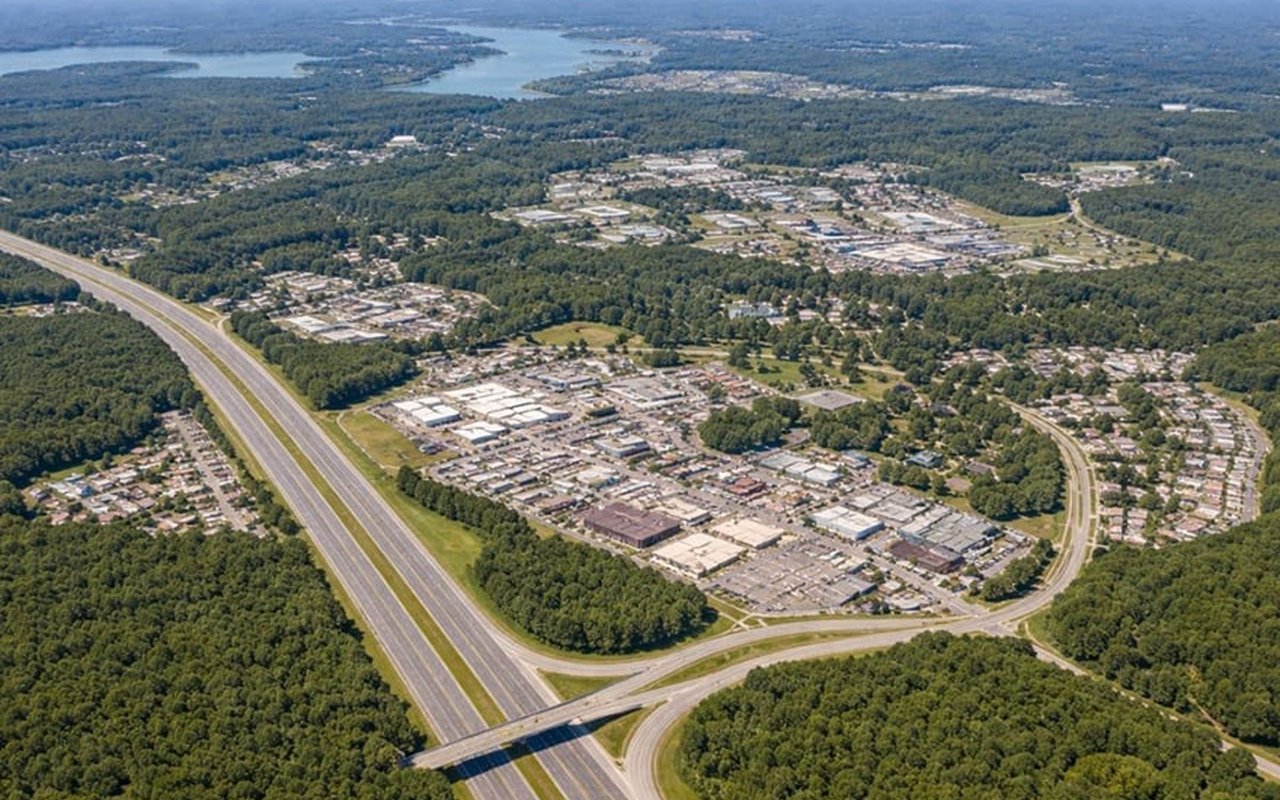
Statham is quickly becoming one of the best-kept secrets in Barrow County real estate.

While Carnesville feels worlds away from the hustle of the city, it remains surprisingly accessible.

Johns Creek consistently ranks among the most sought-after cities in Metro Atlanta.
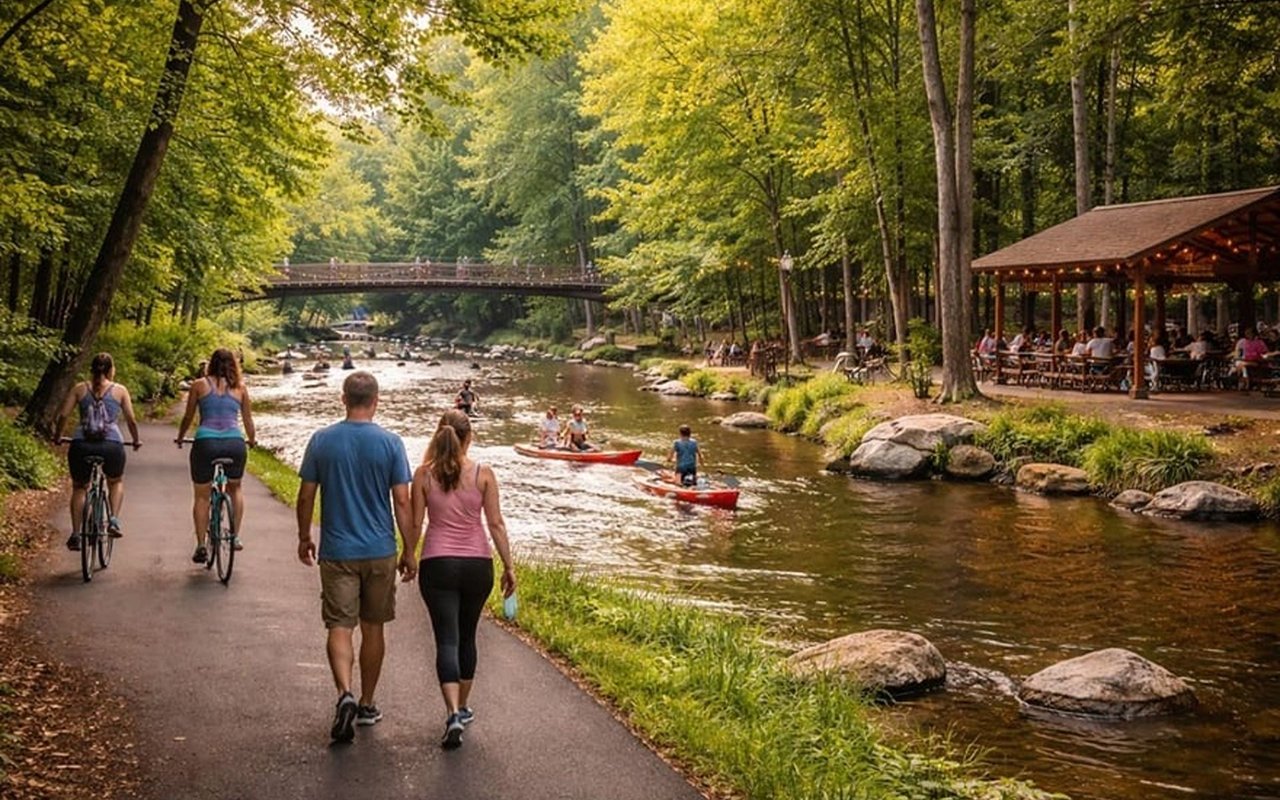
Buyers want flexibility — and Woodstock provides it without sacrificing quality of life.
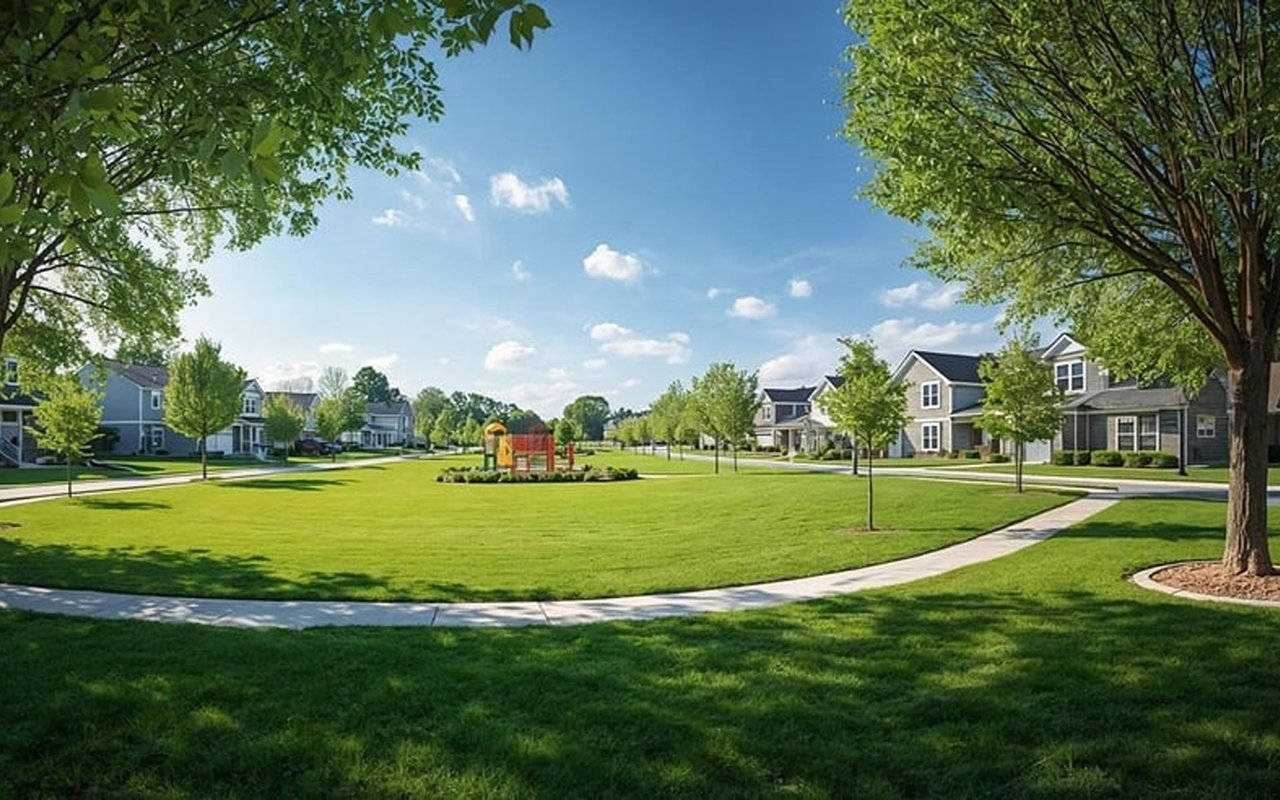
Cumming continues to attract families who value education, lifestyle, and community.

Sellers listing in winter often have a reason—relocation, job changes, or timing needs.
Weekends in Marble Hill are about stepping away from schedules and obligations.
With in-depth knowledge of the local market, skilled negotiation, and a client-first approach, Jacklyn works diligently to help buyers find the right home and sellers maximize the value of their property.

JACKLYN ZUNIGA
10900 Crabapple Rd Roswell, GA 30075