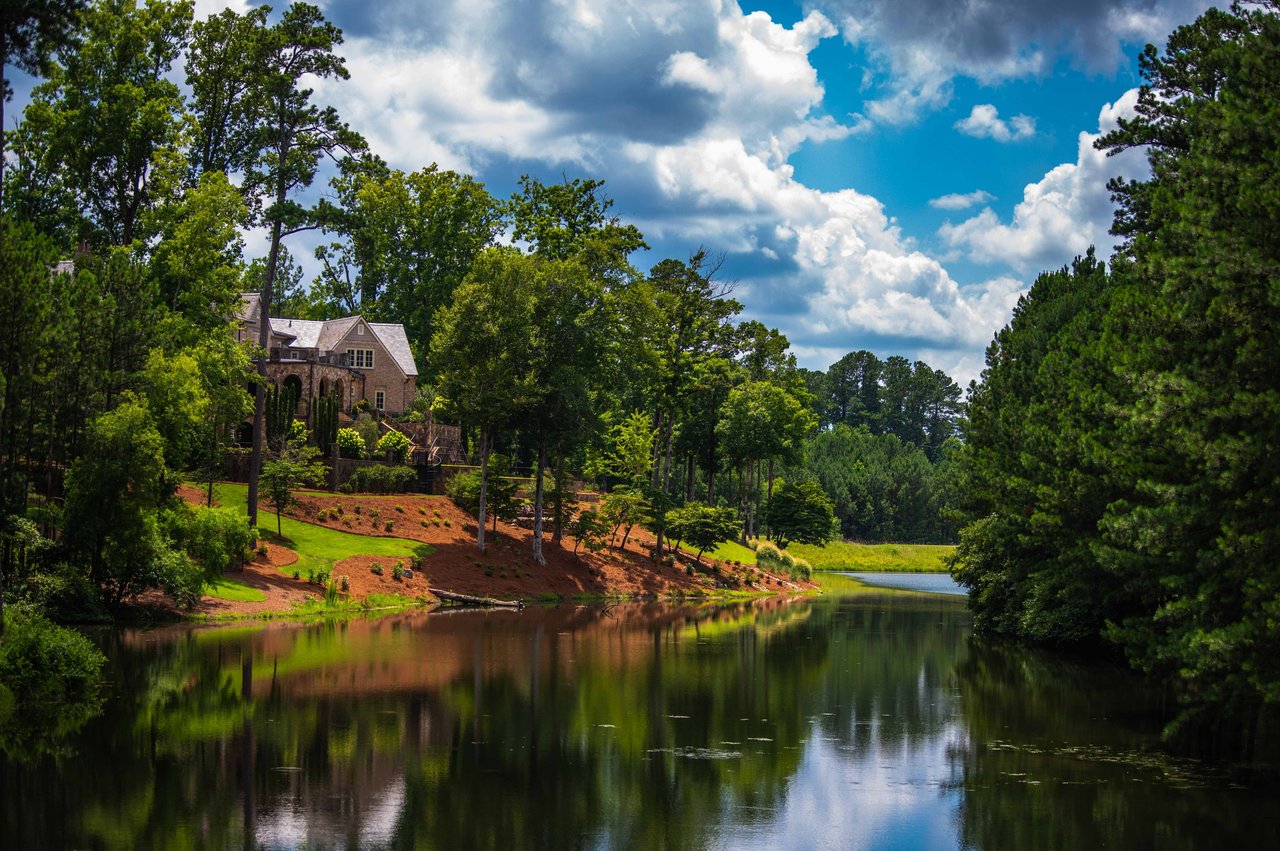
Creek vs. Pond: A Beginner's Guide to Water Feature Maintenance for Vacation Home Buyers in North Georgia
Posted on August 14, 2026
If you have spent any time browsing Zillow listings or watching social media tours of North Georgia mountain cabins, you already know the pull. There is something irresistible about a home with water.
Whether it is the soft rumble of a trout creek running along a back porch in Ellijay or a mirror-still pond reflecting autumn hardwoods in Blue Ridge, water features command top dollar in the mountain real estate market. They also drive some of the highest short-term rental (STR) nightly rates on Airbnb and VRBO. But here is the reality that standard real estate listings usually gloss over: water is dynamic, alive, and demanding.
When you purchase a vacation getaway or investment property, you aren't just buying water frontage—you are inheriting its ongoing upkeep. Before making an offer, here is what every home buyer needs to know about maintaining a mountain creek versus a private pond in North Georgia.
1. Creekfront Living: Managing Flowing Mountain Waters
A running stream or river—like those fed by the Toccoa, Cartecay, or Ellijay Rivers—is often the holy grail for buyers searching North Georgia real estate. The natural soundtrack is built-in, the fly-fishing can be world-class, and guests love sitting near the water with a morning coffee.
The Maintenance Reality
Unlike a pond, a creek is an open, uncontrolled ecosystem passing through your property. You do not control the water source, which means nature dictates your workload.
Erosion Control: High water flows during North Georgia's rainy spring months can strip away riverbanks. You must regularly inspect your shoreline for undercut soil, exposed root systems, and sliding topsoil.
Debris Clearing: Storms upstream frequently send downed hemlocks, oak limbs, and organic debris drifting downriver. Logjams on your property line must be cleared before they divert rushing water toward your home's foundation or deck footings.
State Environmental Regulations: In Georgia, natural streams carry strict environmental protection rules. You cannot simply bring heavy machinery to reshape banks. The Georgia Environmental Protection Division (EPD) enforces strict 25-foot (and often 50-foot on designated trout streams) undisturbed buffer rules where grading, tree removal, and construction are heavily restricted.
The Numbers: Creek Upkeep at a Glance
DIY Time Commitment: 2 to 4 hours per month.
Average Annual Maintenance Cost: $500 to $2,500 per year (covers basic landscape stabilization, bank plantings, and professional fallen log removal).
Emergency Repair Reserve: $3,000 to $12,000 set aside for major bank restoration (such as bio-engineered native vegetation walls or state-approved riprap installation) if a severe storm washes away significant land.
2. Private Pond Ownership: Managing Still Waters
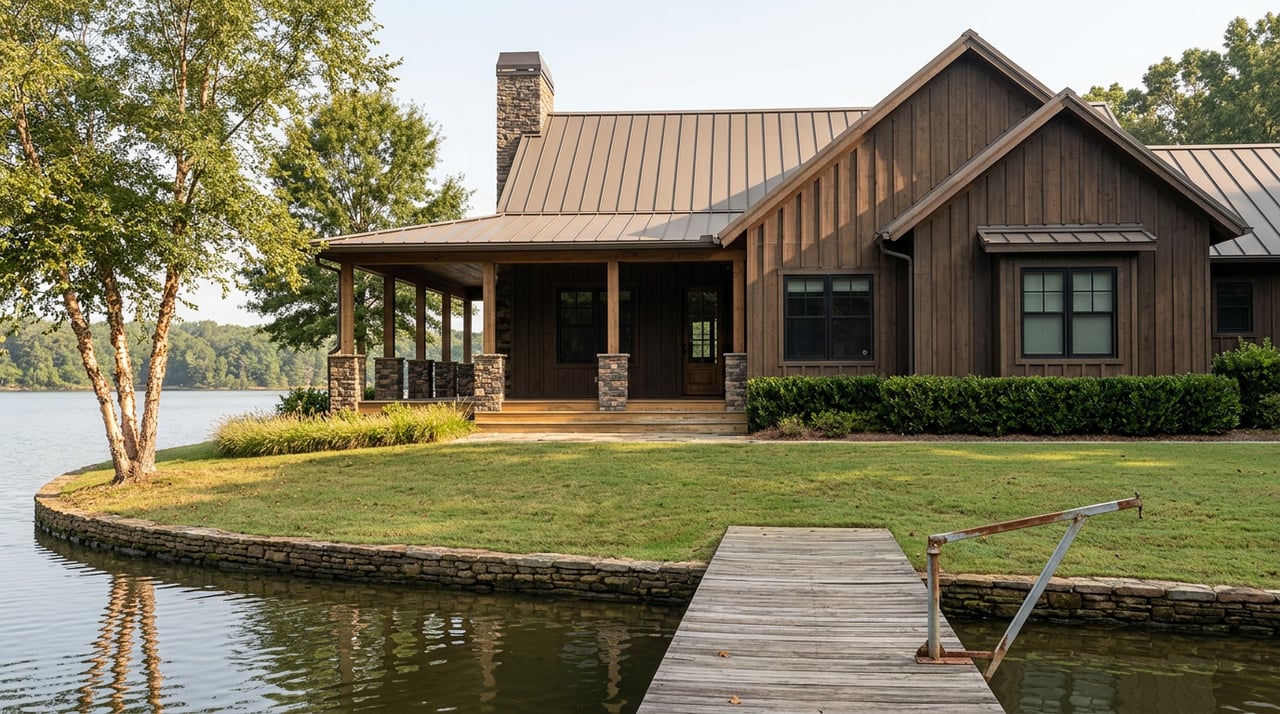
If creekfront living is about rolling with natural currents, owning a private pond is all about balancing a controlled ecosystem. Whether you are eyeing a cabin with a quarter-acre fishing spot in Blairsville or a multi-acre estate pond in Dahlonega, still water requires consistent hands-on chemistry and infrastructure monitoring.
The Maintenance Reality
Ponds stay where they are, but without active management, North Georgia's warm, humid summers will quickly transform a clean water feature into a murky algae bloom.
Aeration and Water Circulation: Ponds require artificial movement to remain clear and healthy. Without bottom-diffused aerators or floating fountains, oxygen levels drop, weed growth explodes, and fish kills can occur during high heat.
Muck and Aquatic Weed Control: Organic matter—falling leaves, pine needles, and runoff—settles at the bottom, forming nutrient-rich muck. You will need to manage algae and invasive weeds like duckweed using targeted biological treatments or stocked triploid grass carp.
Dam and Spillway Inspections: If your pond is man-made, you own a dam. Inspecting emergency spillways, overflow pipes, and drain valves every few months is critical to prevent dangerous washouts during heavy mountain downpours.
Pest and Insect Control: Stagnant water breeds mosquitoes. Keeping water moving and maintaining balanced game fish populations (like largemouth bass and bluegill) keeps insect larvae under control naturally.
The Numbers: Pond Upkeep at a Glance
DIY Time Commitment: 4 to 6 hours per month (clearing intake screens, testing water parameters, and treating shoreline growth).
Initial Aeration Equipment Setup (If Unequipped): $1,200 to $4,500 for a commercial-grade bottom aerator or fountain pump.
Annual Operating Costs: $800 to $2,200 per year (utility costs for running pumps 24/7, water treatment supplies, and occasional fish restocking).
Long-Term Dredging Reserve: Ponds collect roughly 1 inch of bottom sediment every year. Every 10 to 15 years, mechanical dredging to clear accumulated muck can cost anywhere from $5,000 to $20,000 depending on access and acreage.
3. Investor Perspective: Short-Term Rental ROI & Liability
For real estate investors evaluating cabin investments in vacation hotspots like Blue Ridge or Cherry Log, water features offer huge marketing advantages on rental platforms. However, each feature impacts your bottom line and operations in different ways.
Investor Note: Properties marketed with keywords like "Creekside Cabin" or "Private Fishing Pond" often command a 15% to 30% premium on nightly rental rates compared to standard dry wooded lots. However, that income premium vanishes quickly if poor maintenance leads to bad guest reviews.
Creek ROI vs. Operational Risk:
Pros: Zero pumps, filters, or mechanical systems to break while guests are checked in.
Cons: Slippery river rocks and changing water speeds increase slip-and-fall risks.
Management Impact: Low mechanical oversight for out-of-state owners, but requires clear posted property rules and sturdy handrails near steep access paths.
Pond ROI vs. Operational Risk:
Pros: Outstanding visual appeal for social media photography, plus interactive amenities like catch-and-release fishing, paddleboarding, or canoeing.
Cons: High dependency on continuous power and filtration equipment. If an aerator trips a breaker during a 90°F week in July, the pond can turn green and develop an unpleasant odor within 48 hours.
Management Impact: Higher ongoing utility bills and mandatory local handyman calls to check equipment between guest stays. Deep water also carries higher insurance liability, often requiring dedicated fencing or safety gear on-site.
4. The 6-Point Buyer’s Pre-Closing Water Inspection Checklist
Before removing your inspection contingencies on a North Georgia waterfront cabin, perform this walkthrough with your agent and inspector:
Verify Georgia EPD Stream Buffers: Confirm whether the running water is classified as a trout stream (50-foot buffer) or standard stream (25-foot buffer). This dictates exactly where you can build decks, set up fire pits, or clear underbrush.
Evaluate Shoreline Stability: Walk the entire water line, checking for steep, undercut dirt banks, exposed tree roots dangling over the water, or active soil slumping.
Audit Mechanical & Electrical Systems: For ponds, test all floating fountains, sub-surface aerators, and underwater lights. Inspect the main breaker panel to verify that water systems run on dedicated GFCI circuits.
Examine Dam Walls & Spillways: Inspect man-made dams for heavy tree growth (tree roots weaken structural clay), muskrat burrows, or rusted overflow pipes.
Measure Bottom Sediment: Drive a measuring pole into the pond bed to gauge the depth of bottom muck. Deep sediment signals that an expensive dredging job will be needed sooner rather than later.
Review HOA & County Regulations: Ensure there are no regional water-draw restrictions, shared maintenance agreements with neighbors, or HOA bans on motorized watercraft or docks.
The Bottom Line
Deciding between a creek and a pond comes down to how you want to manage your property. A mountain creek offers effortless, continuous movement with low day-to-day equipment maintenance, provided you respect state stream buffers and monitor bank erosion. A private pond offers unmatched private recreation—from fishing to boating—at the cost of continuous power bills and equipment upkeep. Knowing these operational realities upfront helps ensure your North Georgia vacation home remains a rewarding investment for years to come.
Stay up to date on the latest real estate trends.

With in-depth knowledge of the local market, skilled negotiation, and a client-first approach, Jacklyn works diligently to help buyers find the right home and sellers maximize the value of their property.
JACKLYN ZUNIGA
10900 Crabapple Rd Roswell, GA 30075