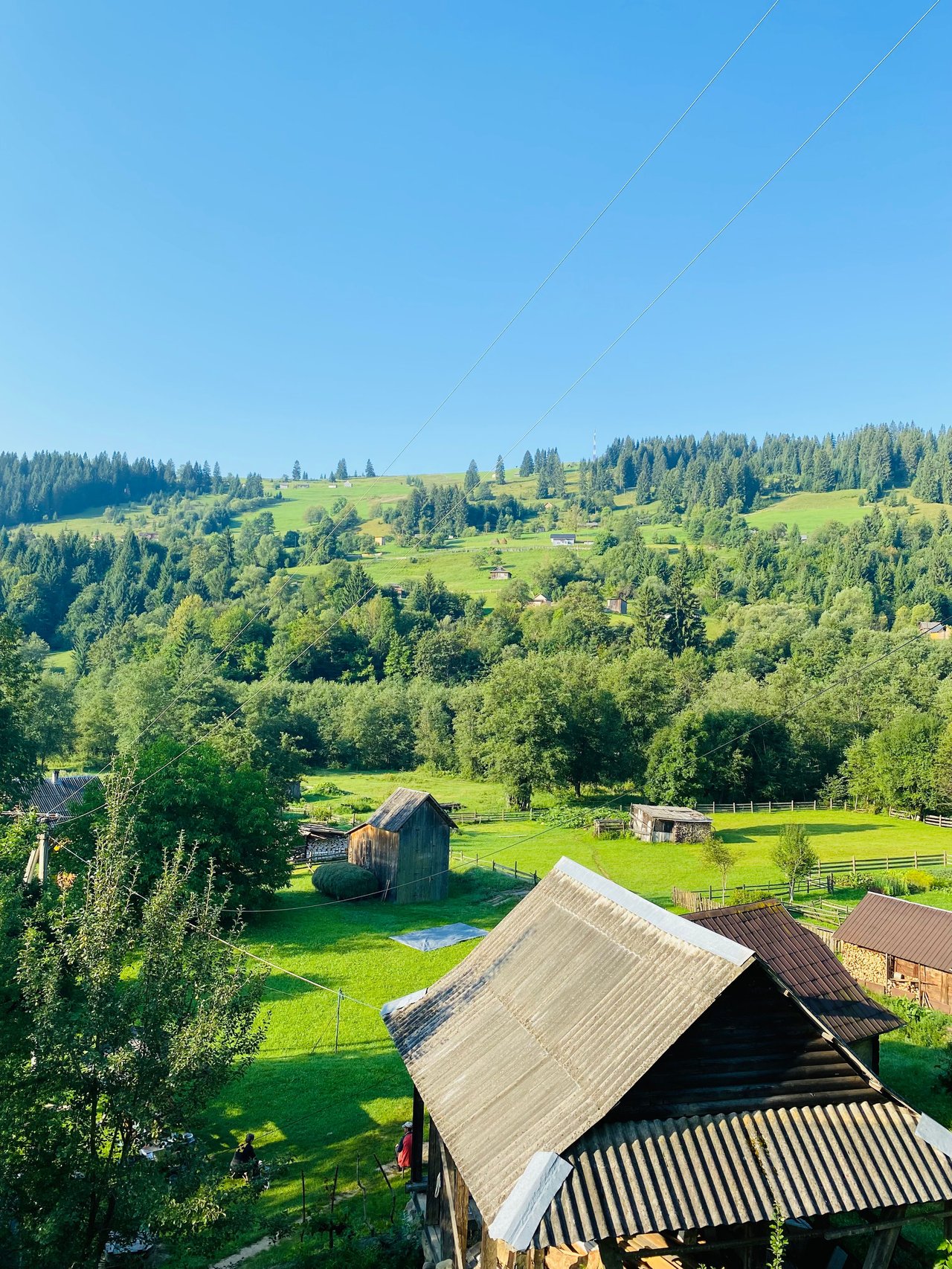
The Rise of the Mountain Homestead: What to Know About Raising Chickens & Homesteading in Fannin and Gilmer Counties
Posted on June 31, 2026
There is a quiet revolution happening along the ridges and hollows of North Georgia. More buyers, investors, and relocating families are turning away from dense suburban tracts in search of self-reliance, fresh air, and a piece of land to call their own.
At the center of this movement are Fannin and Gilmer Counties. Known for the mountain charm of Blue Ridge and the agricultural roots of Ellijay, these two regions have become prime targets for buyers searching online for unrestricted mountain land, homestead properties for sale, and small-scale farming opportunities.
Whether your goal is building a fully off-grid retreat or simply starting a backyard coop to offset rising grocery bills, homesteading in the Blue Ridge Mountains comes with unique geographical, legal, and financial rules. Here is what you need to know about navigating real estate, land use, and livestock in Fannin and Gilmer Counties.
Why Fannin and Gilmer Counties Are Homesteading Hotspots
The surge in North Georgia homesteading isn't just a lifestyle trend—it is a strategic real estate shift. Buyers from across the Southeast are actively searching social platforms and search engines for terms like "North Georgia land with water source" or "Ellijay GA acreage under $300k." Two distinct dynamics draw homesteaders to these specific counties:
Land Zoning, Laws, and Regulations: What Buyers Must Know
Before making an offer on land for sale in North Georgia, you must understand local zoning laws. A property that looks perfect on a photo-sharing feed may have hidden deed restrictions that ban farm animals or outbuildings.
Pro Real Estate Tip: Unrestricted land in a real estate listing means there is no formal HOA, but local municipal or county health codes still apply. Always verify water table access and setback rules before committing earnest money.
Zoning Differences: Fannin vs. Gilmer
Raising Chickens in the Mountains: Terrain & Predator Defense
Poultry is almost always the "gateway enterprise" for new homesteaders. However, keeping a healthy flock in the Appalachian foothills presents challenges you won't encounter in flat suburban yards.
1. Navigating Mountain Slopes & Soil
2. Safeguarding Against Local Wildlife
North Georgia is home to a dense wildlife population that views backyard chickens as an easy meal. Standard chicken wire is not enough—predators can tear right through it.
Real Estate Market Insights: Valuations & Financial Incentives
For real estate investors and sellers, homestead features are no longer niche—they are high-value selling points. Buyers searching for off-grid property for sale in Georgia are willing to pay a premium for move-in-ready agricultural infrastructure.
1. Average Land Values: Land prices in Fannin County average around $45,000 per acre for smaller, view-centric parcels. Larger tracts in Gilmer County typically range between $20,000 and $35,000 per acre, making Gilmer ideal for buyers who want 5 to 20+ acres for pastures or orchards.
2. The "Turnkey Homestead" Value Bump: Properties featuring an active well, cleared building sites, fenced garden beds, and structurally sound outbuildings sell for 10% to 15% more than raw, unimproved mountain acreage.
3. Water Source Premium: Land containing usable natural water—such as a year-round spring, branch, or creek—commands up to 20% higher market value among privacy-focused and off-grid buyers.
4. CUVA Tax Discounts: Georgia offers a major incentive for larger acreage known as the Conservation Use Assessment (CUVA). Properties of 10 or more acres dedicated to bona fide agricultural practices (including timber, poultry, or crops) can receive a property tax assessment reduction of 40% to 75% over a 10-year covenant.
Actionable Steps for Buying Homestead Land in Fannin & Gilmer
If you are planning to purchase land for a mountain homestead, follow this structured roadmap to avoid costly mistakes:
1. Request a Full Title and Covenant Review: Ensure the deed contains no restrictive covenants, building timeline requirements, or animal bans.
2. Order a Soil and Percolation Test: Before designing a homestead layout, confirm the land can support a traditional septic system and adequate drainage.
3. Audit the Sun Exposure: Mountain ridges cast long shadows. Verify that your proposed garden and chicken coop area gets at least 6 to 8 hours of direct southern exposure daily.
4. Verify Utility Access: Extending power lines up a steep mountain driveway can cost $10 to $25+ per foot. Factor off-grid solar or utility connection costs directly into your purchase negotiations.
5. Build Perimeter Security Before Adding Stock: Install robust fencing and coop security before bringing chickens or livestock onto the property.
The rise of the mountain homestead in Fannin and Gilmer Counties represents a return to practical, sustainable living. By understanding local zoning rules, choosing the right acreage, and engineering your land for the mountain climate, you can build a resilient property that delivers both daily peace of mind and strong real estate value.
Stay up to date on the latest real estate trends.


Winning in a competitive housing market is rarely about throwing the highest number blindly.
Whether you're a first-time buyer, growing family, or investor, these markets offer variety and flexibility.
Statham is quickly becoming one of the best-kept secrets in Barrow County real estate.
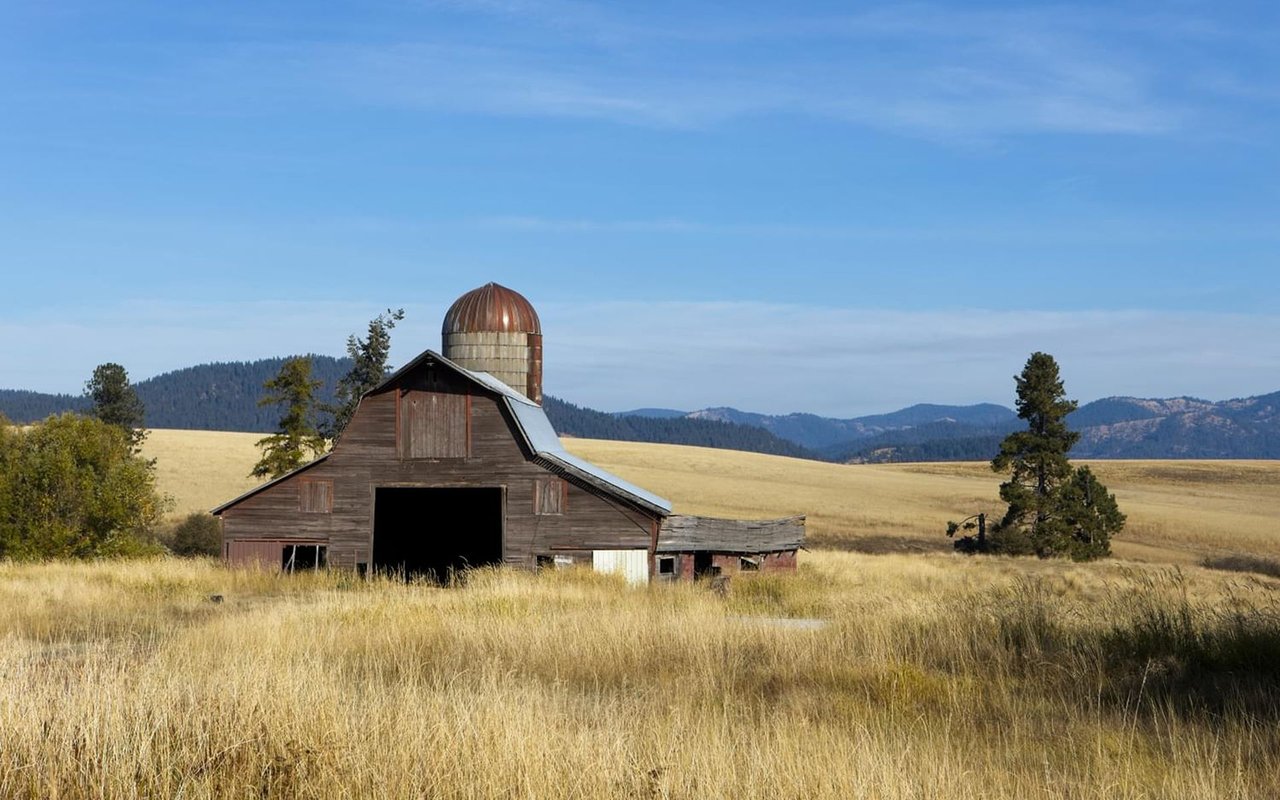
While Carnesville feels worlds away from the hustle of the city, it remains surprisingly accessible.
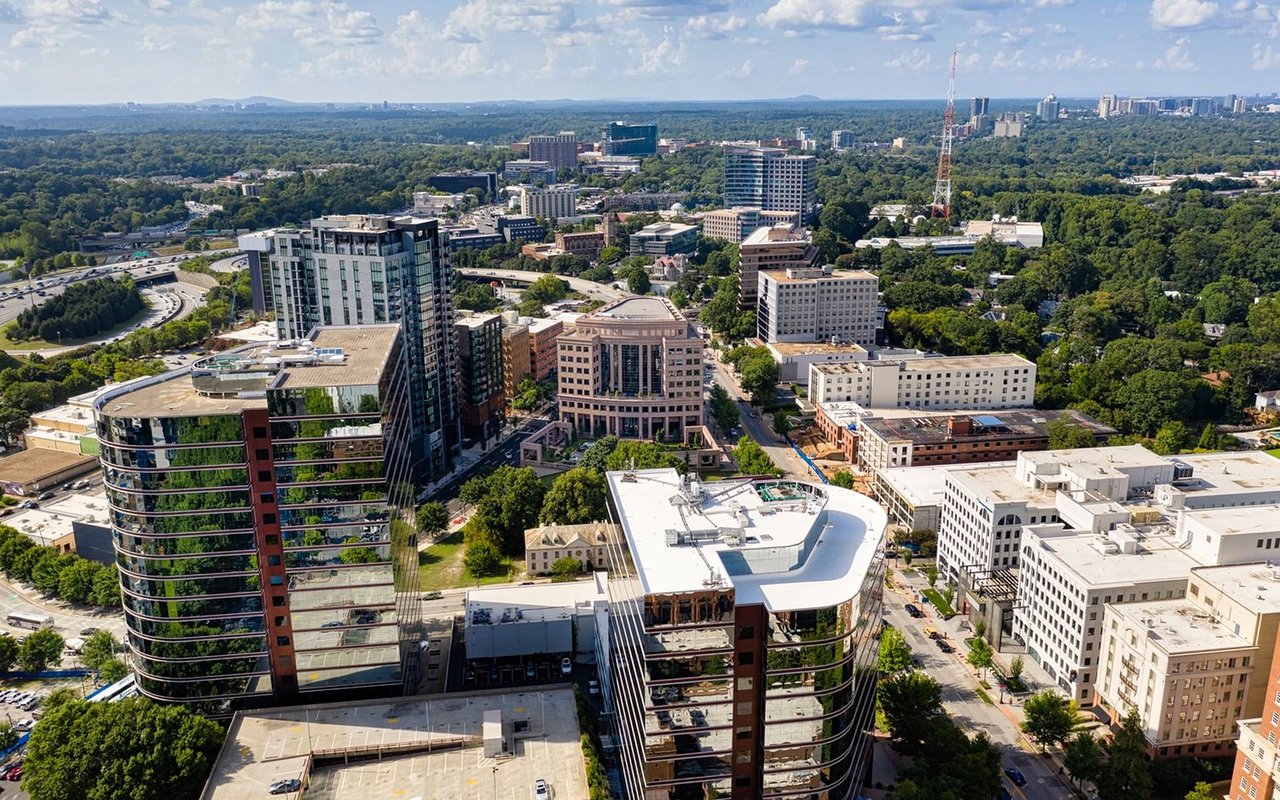
Johns Creek consistently ranks among the most sought-after cities in Metro Atlanta.
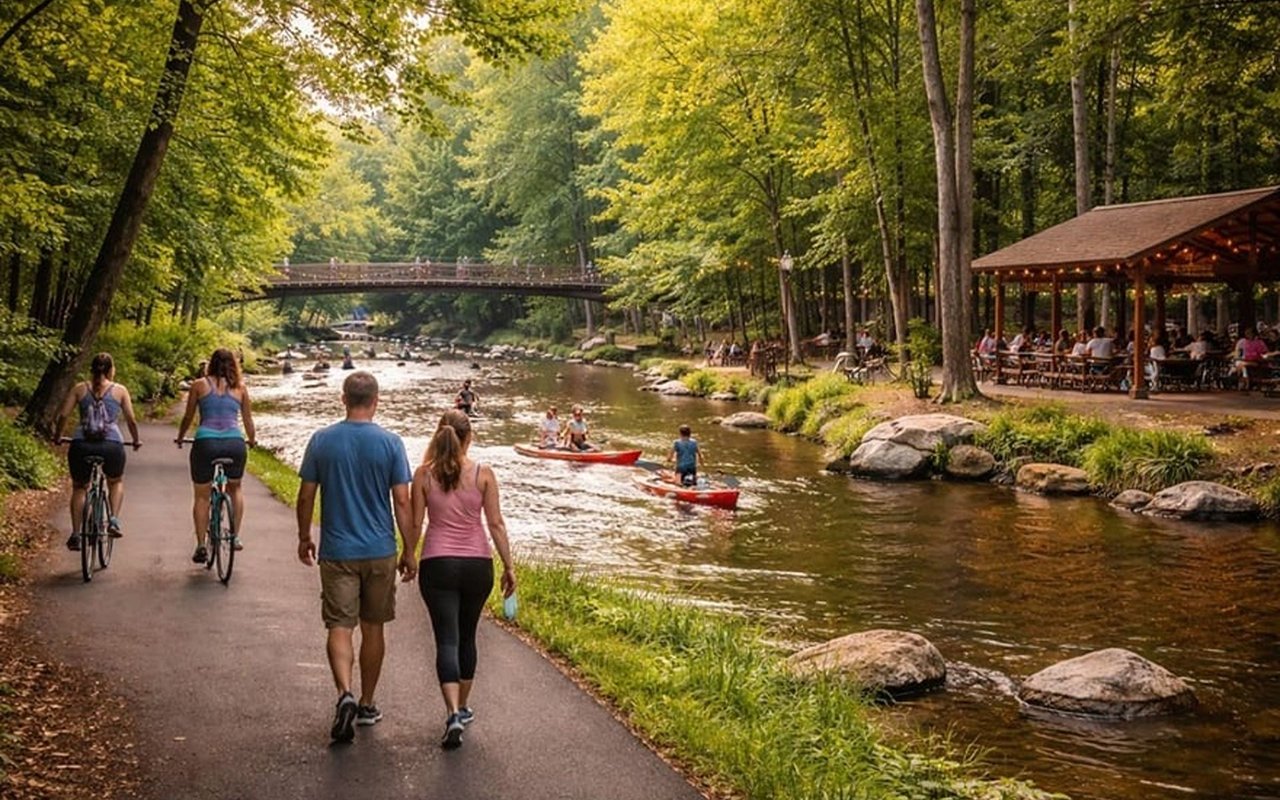
Buyers want flexibility — and Woodstock provides it without sacrificing quality of life.
With in-depth knowledge of the local market, skilled negotiation, and a client-first approach, Jacklyn works diligently to help buyers find the right home and sellers maximize the value of their property.
JACKLYN ZUNIGA
10900 Crabapple Rd Roswell, GA 30075