
Property Taxes Explained for Home Buyers: Why Property Taxes Surprise Many First-Time Buyers
Buying a home is exciting, but many buyers are blindsided by one critical cost: Property Taxes
Many buyers — especially first-time home buyers in North Georgia — are shocked when they receive their first property tax bill or see their mortgage payment increase because of taxes. Searches like "Georgia property tax explained", "Why did my property tax go up after buying a house?", and "How are property taxes calculated in Georgia?" are extremely common.
In this comprehensive guide, we will break down exactly how property taxes work in North Georgia, why buyers get surprised, and how you can avoid unexpected costs when purchasing your next home.
Property taxes are annual taxes levied by local governments — usually counties and school districts — based on your home’s assessed value.
In Georgia, property taxes help fund:
Georgia uses a millage rate, which is the amount per $1,000 of assessed value that is owed in taxes. Georgia law also sets property assessment ratios (e.g., owner-occupied homes are assessed at 40% of fair market value), which significantly affects the annual tax bill.
One of the biggest questions we see buyers search online is: "Do property taxes go up after buying a house in Georgia?" In many North Georgia counties, home values are reassessed at the time of sale. Because the tax assessment is typically tied to the purchase price or market value, buyers often pay significantly more in property taxes than the previous owner did. For example, the previous property owner’s taxes were $3,200 per year, while the buyer’s newly reassessed taxes increased to $5,100 per year. This type of reassessment is one of the main reasons many buyers search for "Georgia property tax increase after sale."
Websites like Zillow, Redfin, or Realtor.com display previous tax bills, not what you will pay after closing. That is because the tax history reflects the seller’s expenses, which may be years old or include exemptions that the seller qualified for — but you may not.
In the North Georgia real estate market, most lenders set up an escrow account to collect property taxes monthly. When your property taxes increase due to reassessment or rising home values, your lender must collect more money. That results in an increased monthly mortgage payment, which many homeowners assume is due to an interest rate change — when in fact it is due to taxes.
If you buy new construction in communities like Forsyth County, Cherokee County, and Hall County, your initial property tax may be based only on the land value. When the home is completed, it is reassessed on land plus improvements, which can significantly increase the tax bill — often catching buyers by surprise.
In North Georgia, property taxes are calculated using:
Since North Georgia property values have risen significantly in recent years, assessed values and tax bills have risen too.
Homestead Exemption: One of the most impactful exemptions available in Georgia is the homestead exemption, which reduces the assessed value of your primary residence before taxes are applied. This is a major reason why some buyers in Fulton, Gwinnett, or Cobb County end up with lower taxes than expected — but only if they apply for the exemption.
Common exemptions in North Georgia include:
Be sure to apply within the first few months after closing, since many counties have deadlines tied to the tax year.
Property taxes do not always increase. Values can rise or fall based on:
For example, in counties like Forsyth and Cherokee, rapid growth and excellent schools have caused property values — and therefore tax assessments — to rise sharply year over year.
Estimate Property Taxes Before You Make an Offer: Ask your agent to run a post-purchase tax estimate using the expected closing price and current millage rates in your county.
Apply for Homestead & Other Exemptions Early: Exemptions can dramatically reduce your property tax bill — but you must apply for them after purchase.
Budget for Future Tax Increases: Even if current taxes seem low, plan for increases in future years — especially in fast-growing metro areas.
Understand How Your Escrow Works: Most lenders adjust your escrow annually. Ask:
None of these are guaranteed — especially in dynamic markets like North Georgia.
Understanding how property taxes are calculated in Georgia, why reassessments happen, and how exemptions work can save you from costly surprises.
If you are buying a home in:
Property taxes should be part of your home affordability calculation.
Stay up to date on the latest real estate trends.

Winning in a competitive housing market is rarely about throwing the highest number blindly.

Whether you're a first-time buyer, growing family, or investor, these markets offer variety and flexibility.
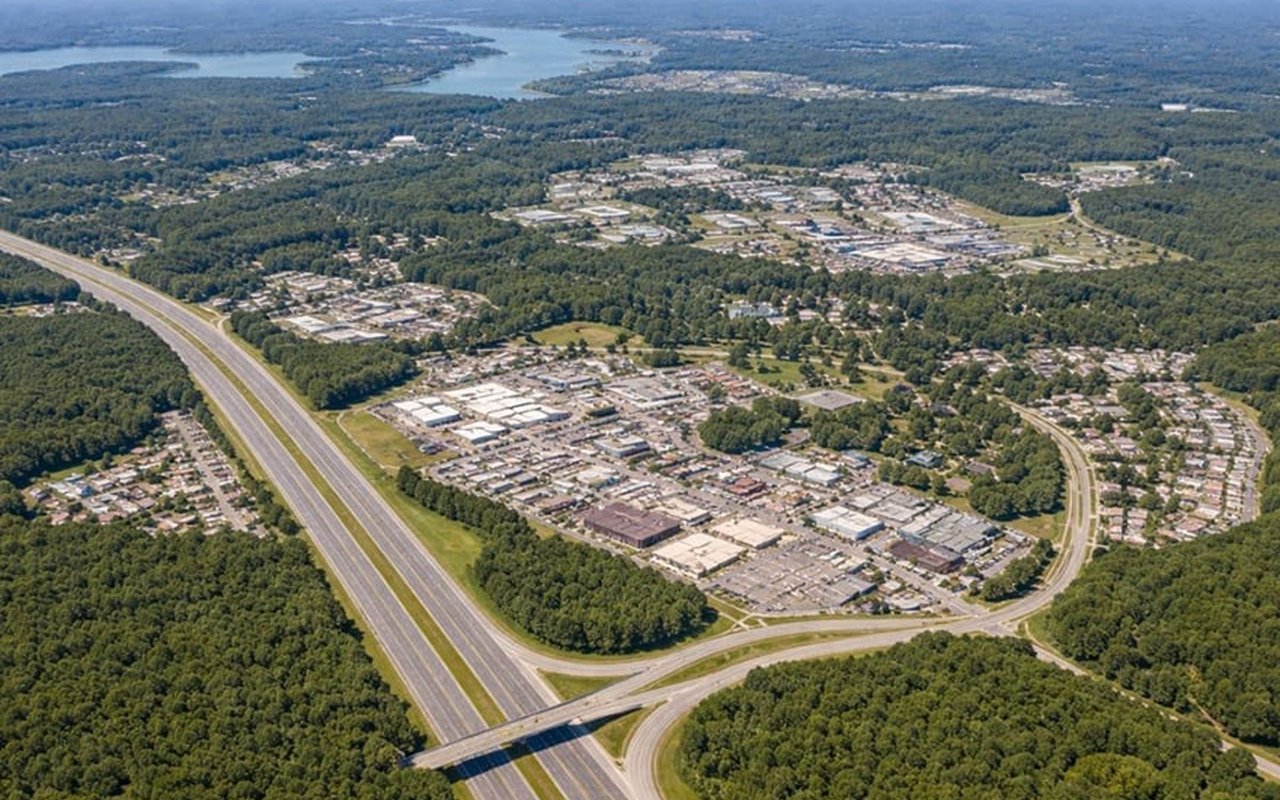
Statham is quickly becoming one of the best-kept secrets in Barrow County real estate.

While Carnesville feels worlds away from the hustle of the city, it remains surprisingly accessible.
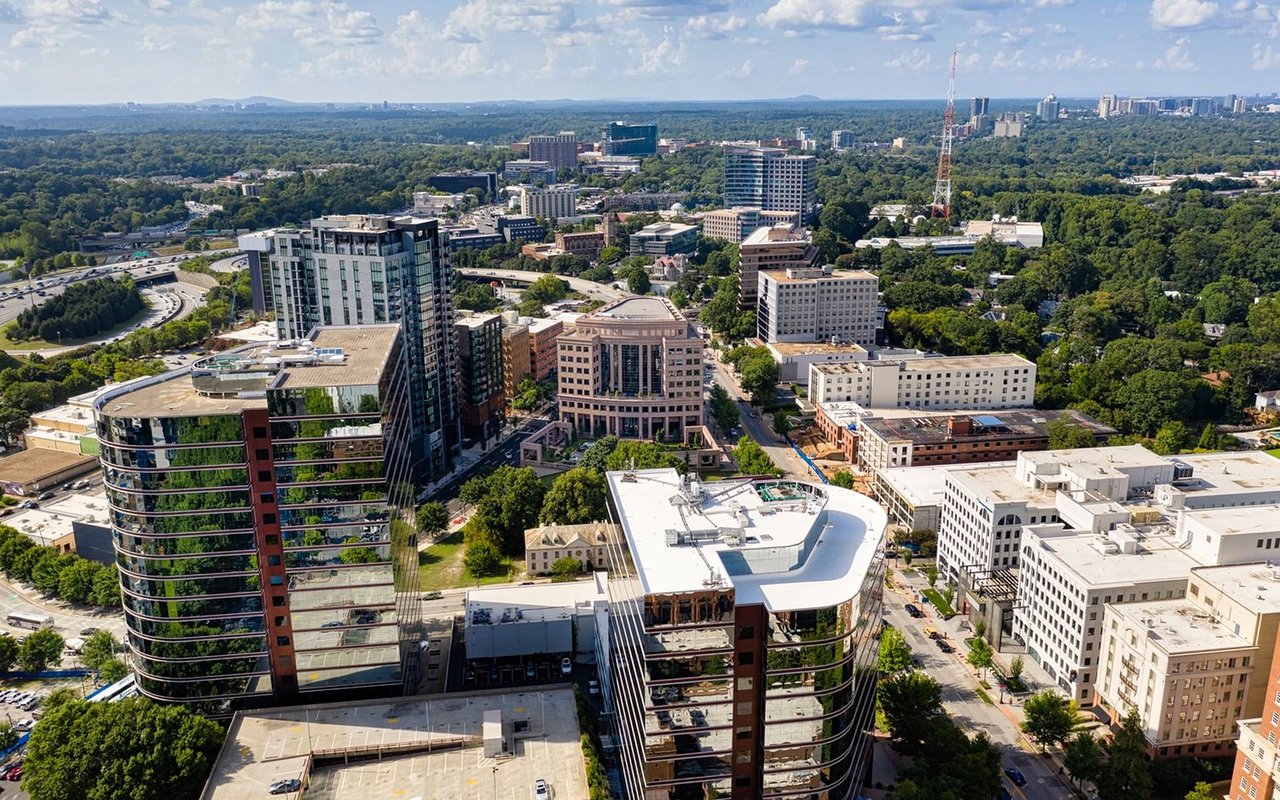
Johns Creek consistently ranks among the most sought-after cities in Metro Atlanta.

Buyers want flexibility — and Woodstock provides it without sacrificing quality of life.
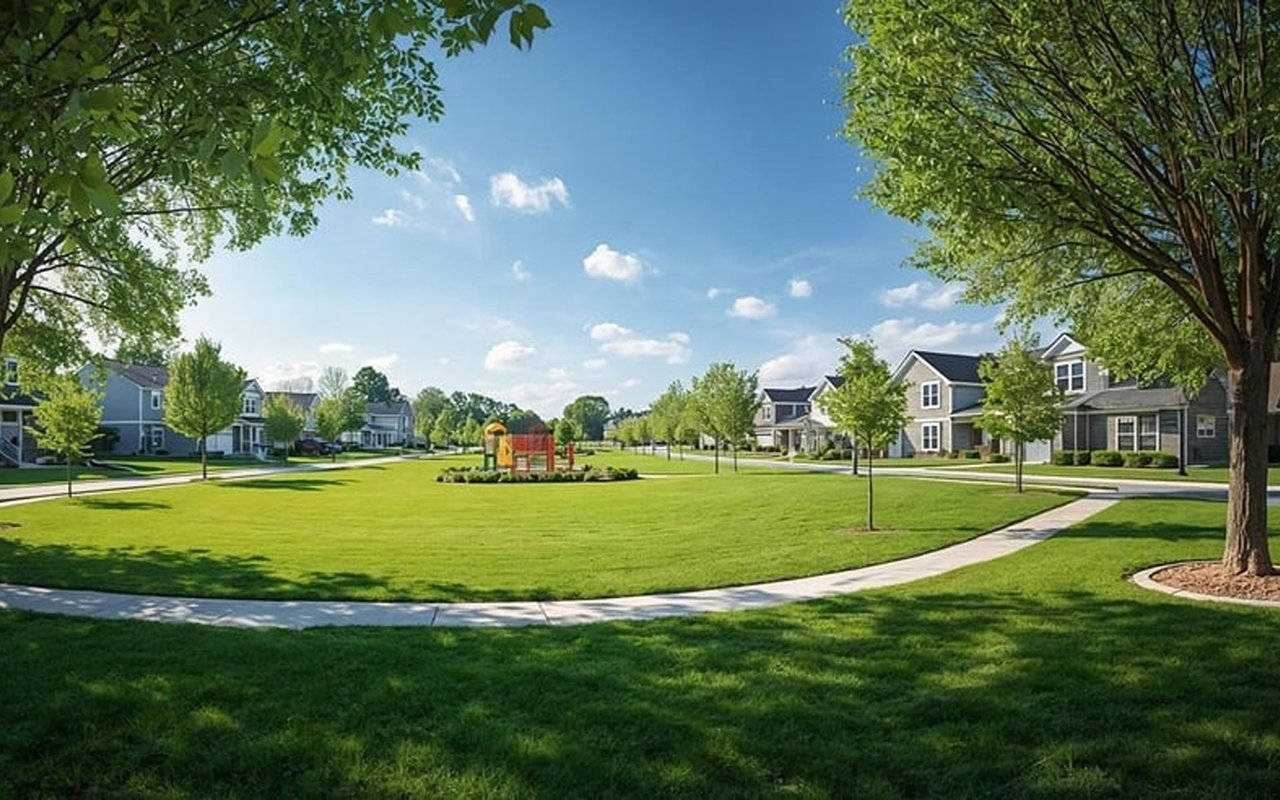
Cumming continues to attract families who value education, lifestyle, and community.

Sellers listing in winter often have a reason—relocation, job changes, or timing needs.

Weekends in Marble Hill are about stepping away from schedules and obligations.
With in-depth knowledge of the local market, skilled negotiation, and a client-first approach, Jacklyn works diligently to help buyers find the right home and sellers maximize the value of their property.

JACKLYN ZUNIGA
10900 Crabapple Rd Roswell, GA 30075