
2026 Homebuyer Guide: How Much Money Do You Really Need to Buy a House in Georgia?
Buying a home in Georgia is one of the biggest financial decisions you’ll ever make. One of the most common questions buyers ask is:
“How much money do I actually need to buy a house in Georgia?”
The answer depends on several factors, including your loan type, down payment, closing costs, and upfront expenses. The good news is that many buyers purchase homes with much less money than they expect, especially with first-time buyer programs and low down payment loans.
In this guide, I’ll break down the real costs of buying a home in Georgia in 2026, including down payments, closing costs, and additional expenses you should plan for.
Your down payment is the portion of the home price you pay upfront. The amount varies depending on the loan program you choose.
Many buyers are surprised to learn that you don’t need a 20% down payment to buy a home.
In addition to the down payment, buyers must budget for closing costs, which are the fees associated with completing the home purchase.
Most buyers typically pay between 2% and 5% of the purchase price. Closing costs may include:
In many transactions, buyers negotiate for the seller to contribute toward closing costs, which can significantly reduce the amount of cash needed.
When you submit an offer on a home, you’ll typically include earnest money. This shows the seller that you are serious about purchasing the property. Typical earnest money amounts are 1% to 2% of the purchase price.
Examples:
This is not an extra cost. The earnest money is applied toward your down payment or closing costs at closing.
A home inspection is strongly recommended when purchasing a property. Typical home inspection costs in Georgia range from $350 to $600. Additional inspections some buyers choose include:
These inspections help protect buyers from unexpected repair costs after closing.
Your lender will require a home appraisal to confirm the market value of the property. Typical appraisal cost in Georgia range from $500 to $700, and this fee is usually paid before closing during the loan process.
Once you buy your home, there are additional costs associated with moving and settling in. Common move-in expenses include:
Many buyers budget between $1,000 and $5,000 for move-in expenses.
Here’s a realistic example of what a buyer might need:
However, this number can be lower if the seller contributes toward closing costs or if the buyer qualifies for down payment assistance programs.
Many buyers in Georgia qualify for programs that help reduce upfront costs. Some programs offer:
Examples include Georgia Dream Homeownership Program
Some cities and counties in Georgia also offer assistance programs, including areas such as:
These programs may provide $5,000 to $15,000 or more in assistance, depending on eligibility.
Yes. Many buyers are able to purchase a home with less than $20,000 out of pocket by combining:
A knowledgeable real estate agent and lender can help structure a purchase that minimizes your upfront costs.
Many buyers delay purchasing a home because they believe they need tens of thousands of dollars saved, but that’s not always the case. With the right loan program, seller concessions, and potential assistance programs, buying a home in Georgia may be more accessible than many people expect.
Reach out today to start your home search. Whether you're a first-time buyer or planning to move to North Georgia, I’m happy to help you explore your options and guide you through the home-buying process.
Stay up to date on the latest real estate trends.

Winning in a competitive housing market is rarely about throwing the highest number blindly.
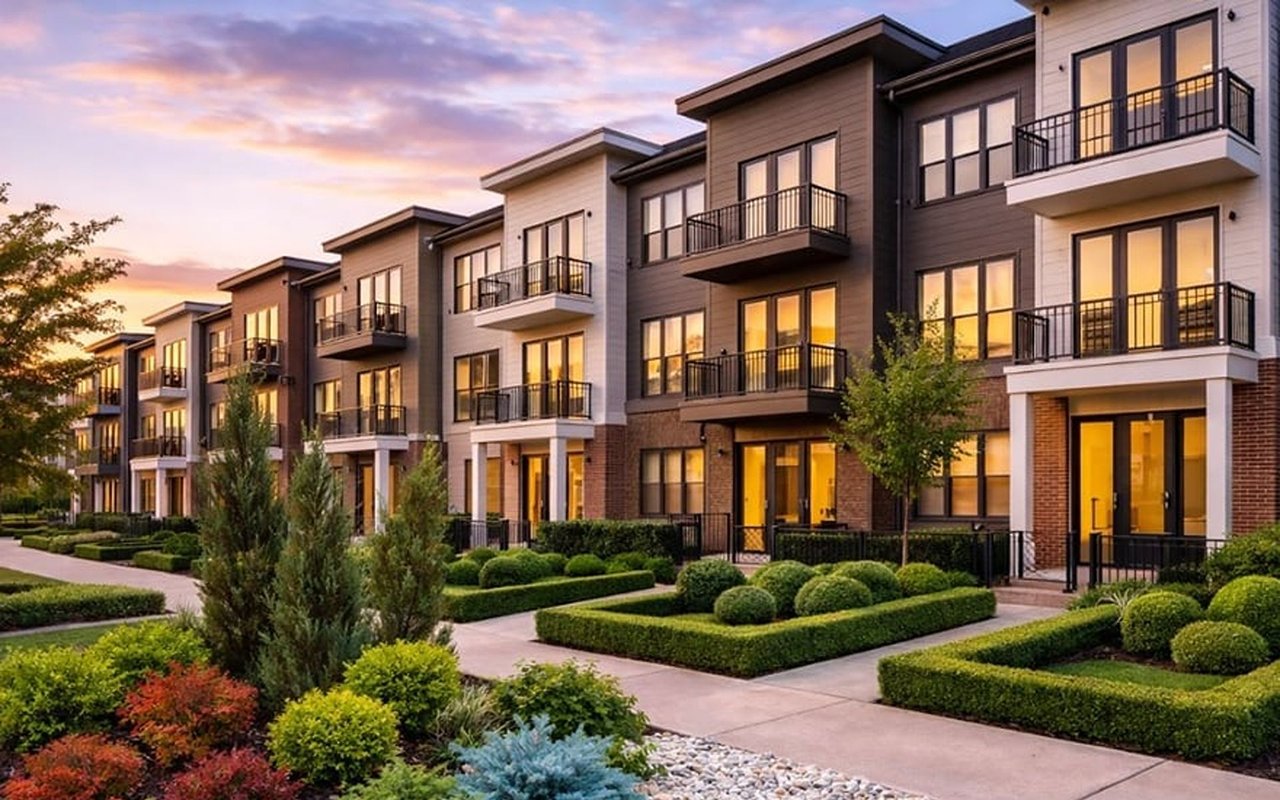
Whether you're a first-time buyer, growing family, or investor, these markets offer variety and flexibility.
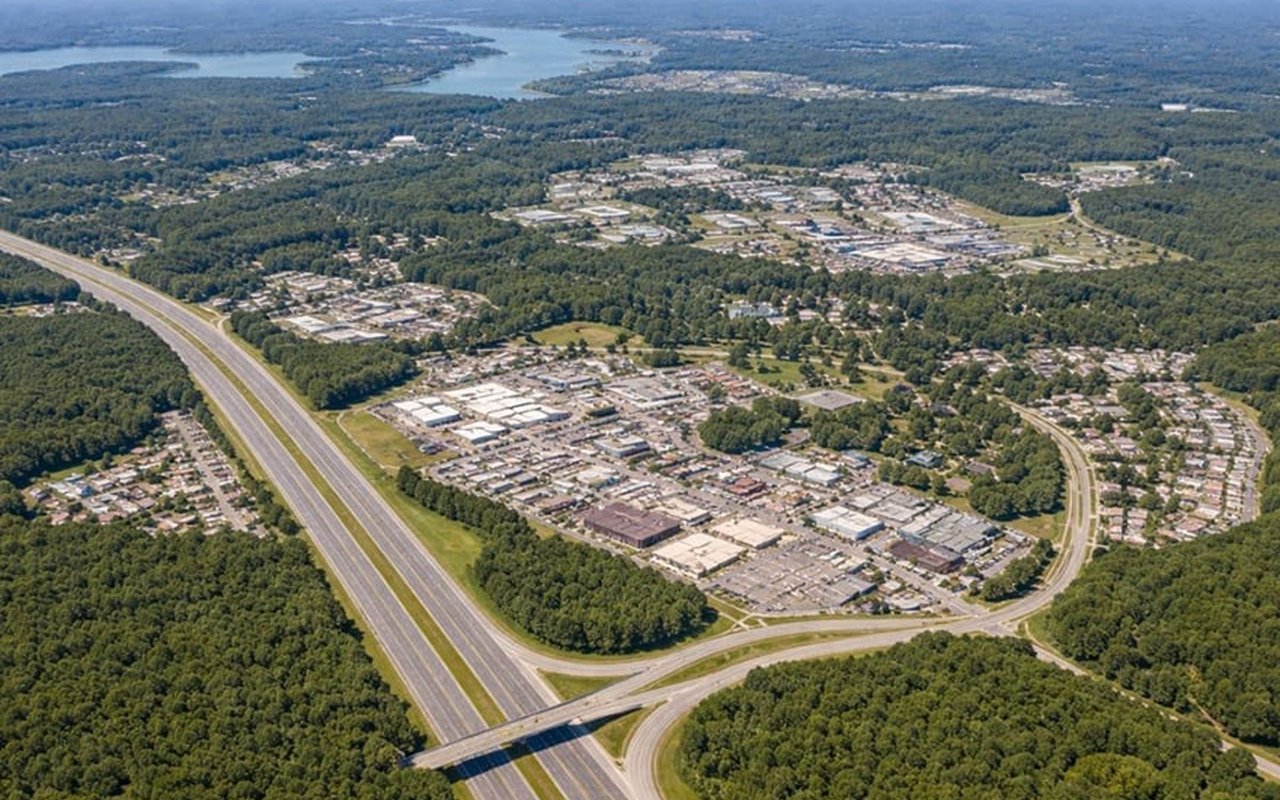
Statham is quickly becoming one of the best-kept secrets in Barrow County real estate.

While Carnesville feels worlds away from the hustle of the city, it remains surprisingly accessible.
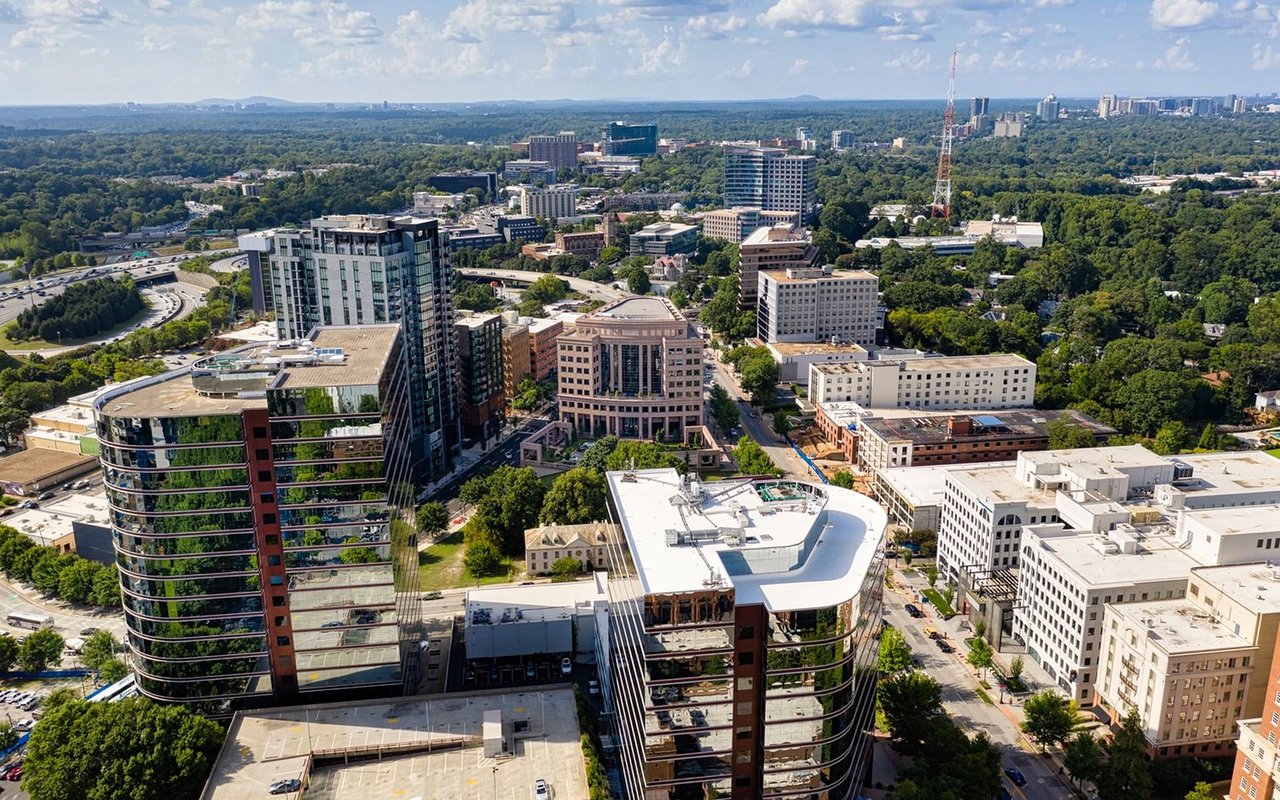
Johns Creek consistently ranks among the most sought-after cities in Metro Atlanta.

Buyers want flexibility — and Woodstock provides it without sacrificing quality of life.
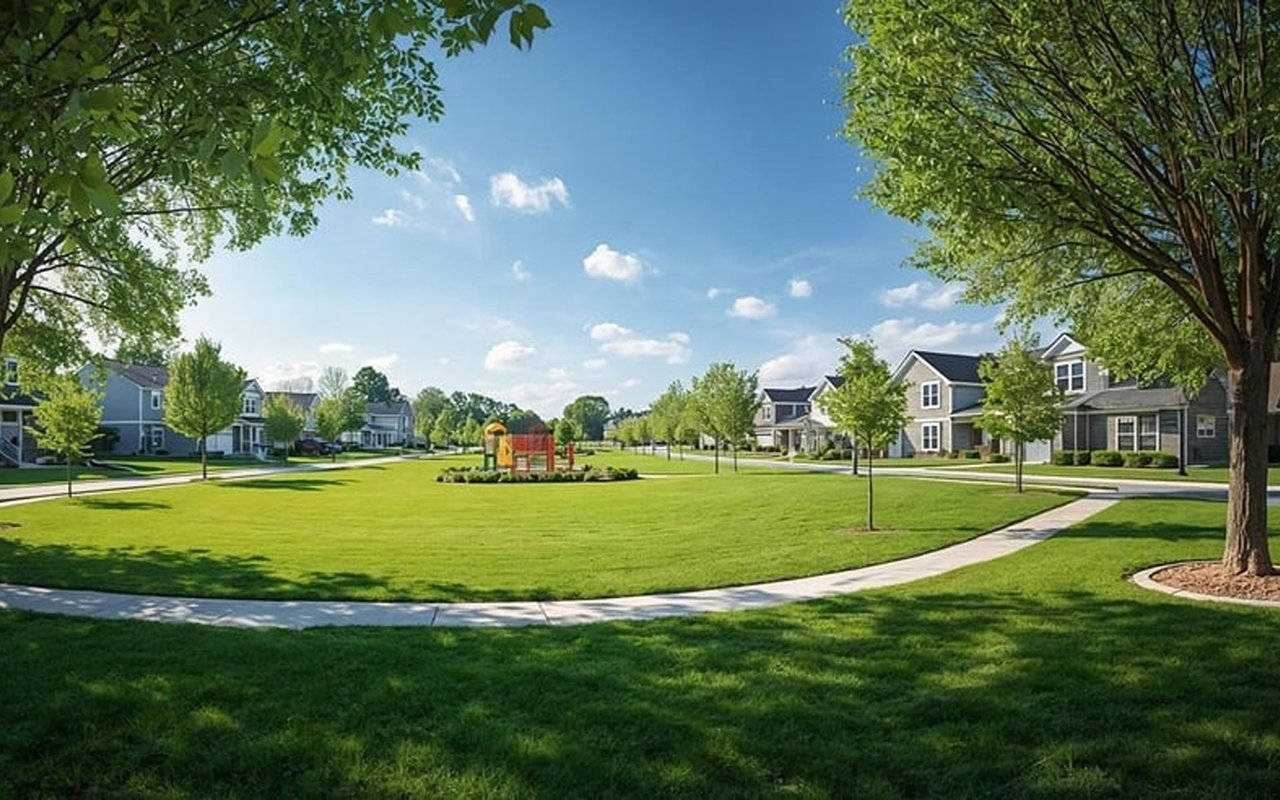
Cumming continues to attract families who value education, lifestyle, and community.

Sellers listing in winter often have a reason—relocation, job changes, or timing needs.

Weekends in Marble Hill are about stepping away from schedules and obligations.
With in-depth knowledge of the local market, skilled negotiation, and a client-first approach, Jacklyn works diligently to help buyers find the right home and sellers maximize the value of their property.
JACKLYN ZUNIGA
10900 Crabapple Rd Roswell, GA 30075