Forsyth County Lake Lanier Restrictive STR Market Guide
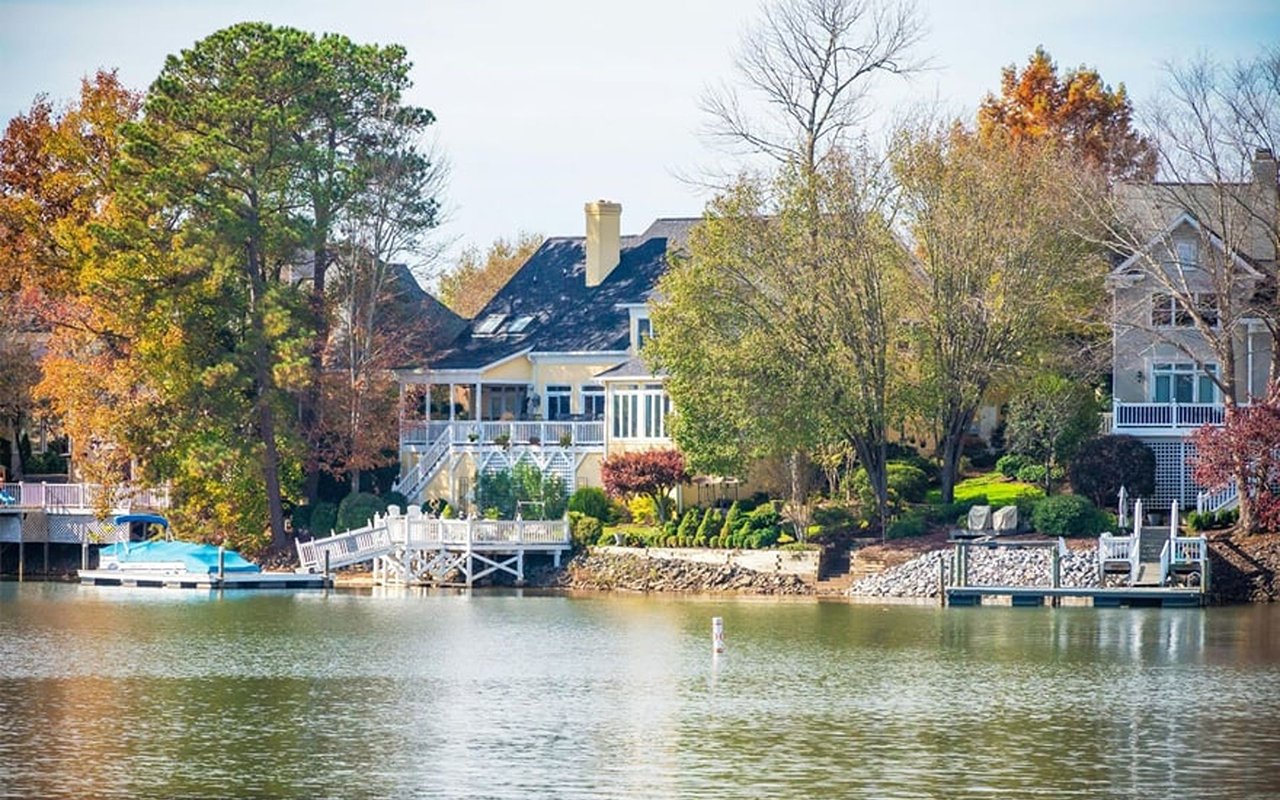
Nestled along the shores of Lake Lanier, Forsyth County, Georgia, represents the pinnacle of high-end suburban living and affluent lakefront luxury. Boasting top-tier schools, pristine master-planned communities, and sprawling waterfront estates, it is a magnetic market for real estate investors. However, beneath the surface of this booming vacation destination lies one of the most fiercely protective regulatory environments in the state.
If you are planning to purchase or operate a Short-Term Rental (STR) in Forsyth County or near the upscale enclave of Cumming, you cannot simply buy a home, upload photos to Airbnb, and wait for the revenue to roll in. Failing to understand the hyper-local legal landscape here will not just result in a warning—it can lead to a $1,000 fine per day, up to 60 days of imprisonment, or a permanent ban on your property.
Here is the unfiltered truth, the operational costs, and the step-by-step blueprint for navigating short-term rentals in Forsyth County and its popular hubs.
Forsyth County does not tolerate standard residential short-term rentals. Under Ordinance No. 129 and the county’s Unified Development Code (UDC), STRs (defined as stays under 30 consecutive days) are completely banned in standard residential zoning districts (such as R1, R2, CR1, etc.).
To operate legally, your property must meet two foundational requirements:
When analyzing the most popular short-term rental areas within Forsyth County, everything revolves around the lake and high-end suburbs.
The vast majority of the high-end lakefront properties sit in unincorporated parts of the county. These properties are bound completely by the strict county guidelines outlined above.
Cumming is the only incorporated municipality within Forsyth County. While it sits as the gateway to Lake Lanier, its local policies create a distinct legal dynamic.
If you find an A1 or Ag-Res property and want to move forward, you must complete a multi-layered permitting pipeline before listing the property online.
You must submit an application for a Conditional Use Permit to the Planning and Community Development Department. This involves placing public notice signs on the property, notifying immediate neighbors, and presenting your case before the Planning Commission and Board of Commissioners. Neighbors can—and often do—attend to protest.
Before receiving a business license, you must prove your infrastructure can handle transient crowds:
Once the CUP is approved, you submit the official STR Business License Application to the Business License Division.
To submit a complete application packet, you must provide:
Forsyth County strictly regulates day-to-day operations. One neighbor's complaint that exposes a violation of these rules can result in immediate code enforcement citations.
Operating a luxury rental in this region requires substantial upfront and ongoing capital. Here is what you need to budget for:
Before putting down a deposit on a beautiful Lake Lanier home in Forsyth County, perform deep due diligence on these hidden dealbreakers:
If the property is waterfront and features a private dock, that dock does not belong to the land; it is permitted via the USACE. You must verify that the shoreline management permit is in good standing and fully transferable. Furthermore, the Corps has strict rules regarding commercial use of public land and shorelines—make sure your rental activities do not violate their federal guidelines.
To prevent corporate entities from buying up whole streets, Forsyth County dictates that a single owner cannot hold more than one STR license within a single, identifiable residential neighborhood. The definition of what constitutes a neighborhood boundary is left entirely to the sole discretion of the Business License Manager.
If a seller claims their property is "grandfathered in" from the 2019 ordinance updates, be highly skeptical. Forsyth County code dictates that nonconforming uses that are discontinued for 60 days or more automatically expire. Furthermore, STR business licenses are completely non-transferable. When the property changes hands, the new owner must start the process from scratch.
Because of the immense regulatory risk in Forsyth County, getting a mortgage for an investment property here requires careful navigation. Most lenders will require a 20% to 30% down payment for a secondary market loan, and they will not factor in projected short-term rental income to qualify you if the zoning does not explicitly permit it by right.
Forsyth County and the Lake Lanier perimeter offer incredible premium rates for luxury rentals, but the county's legal structure is designed to safeguard traditional suburban neighborhoods. To build a successful, profitable, and stress-free STR business here, your strategy must begin with finding a property with proper agricultural zoning, passing the public CUP process, and executing flawless property management that respects the local community.
Stay up to date on the latest real estate trends.

Winning in a competitive housing market is rarely about throwing the highest number blindly.
Whether you're a first-time buyer, growing family, or investor, these markets offer variety and flexibility.
Statham is quickly becoming one of the best-kept secrets in Barrow County real estate.
While Carnesville feels worlds away from the hustle of the city, it remains surprisingly accessible.
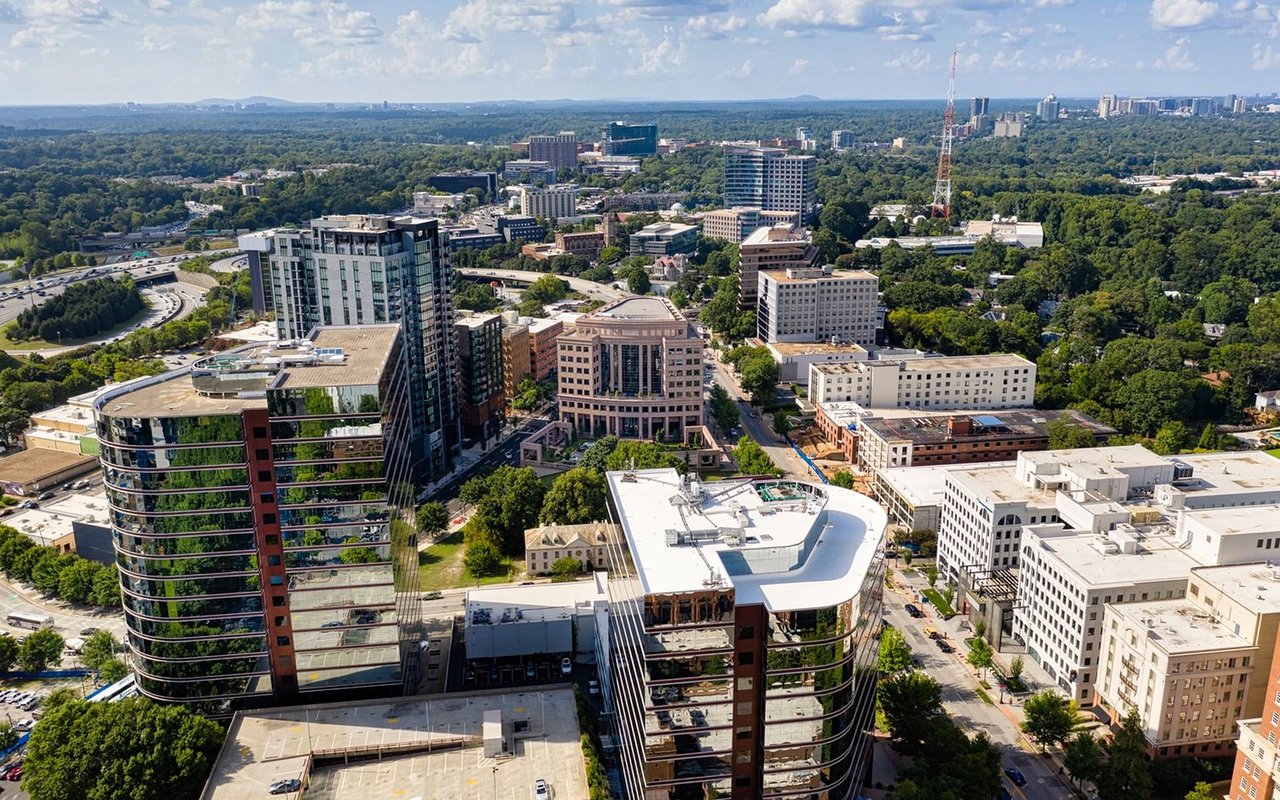
Johns Creek consistently ranks among the most sought-after cities in Metro Atlanta.
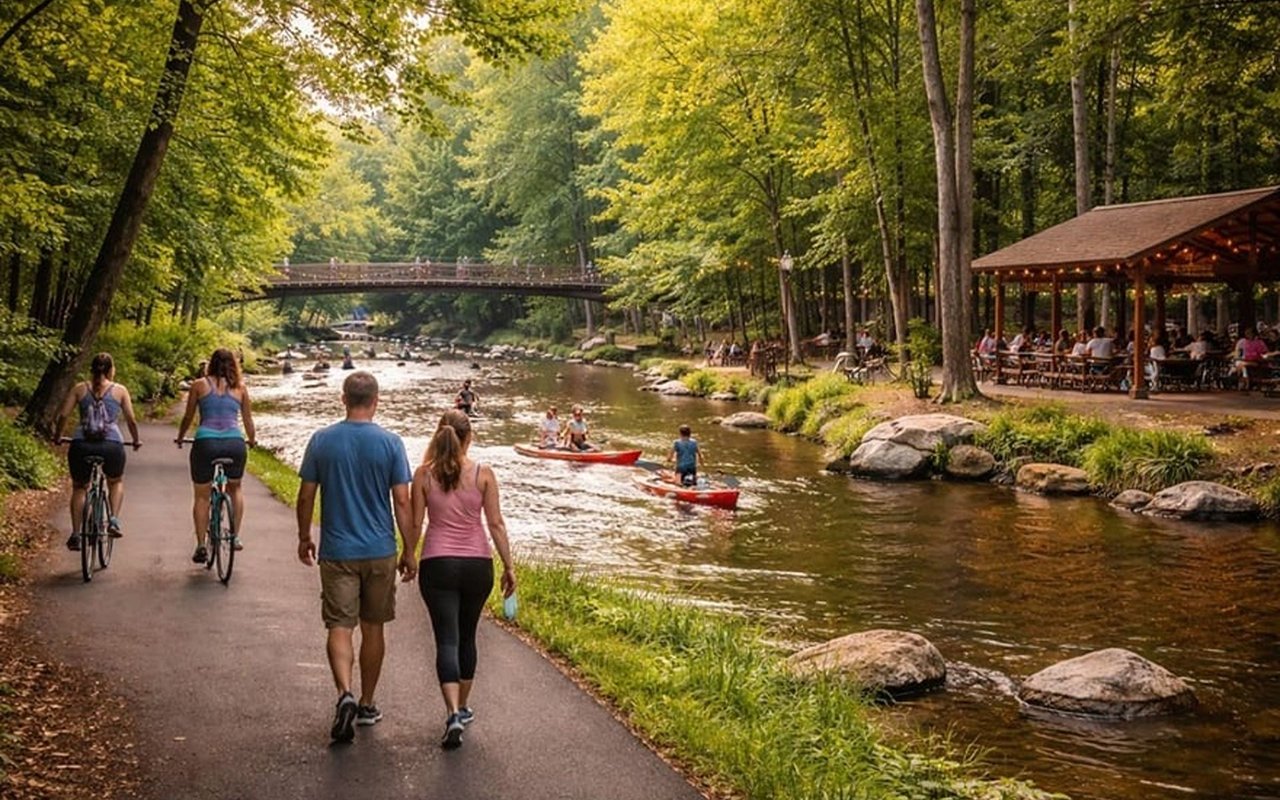
Buyers want flexibility — and Woodstock provides it without sacrificing quality of life.
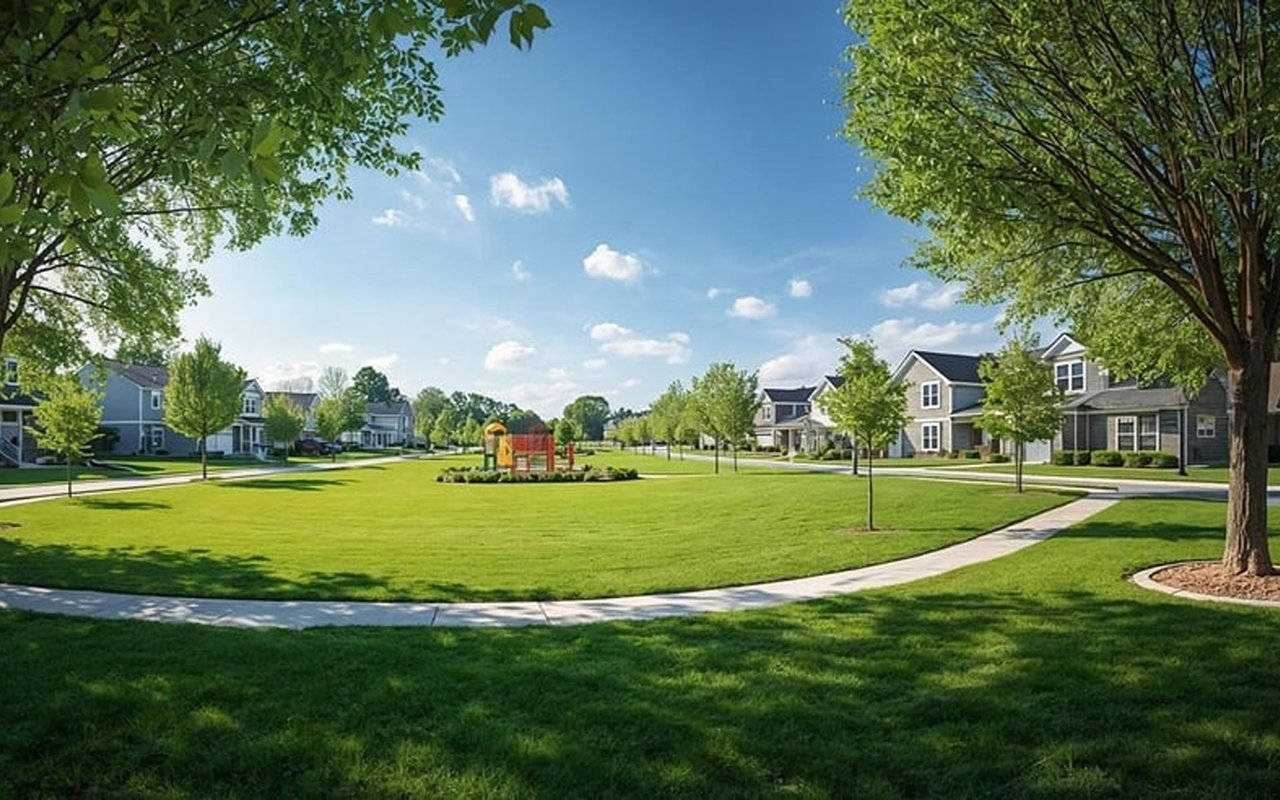
Cumming continues to attract families who value education, lifestyle, and community.
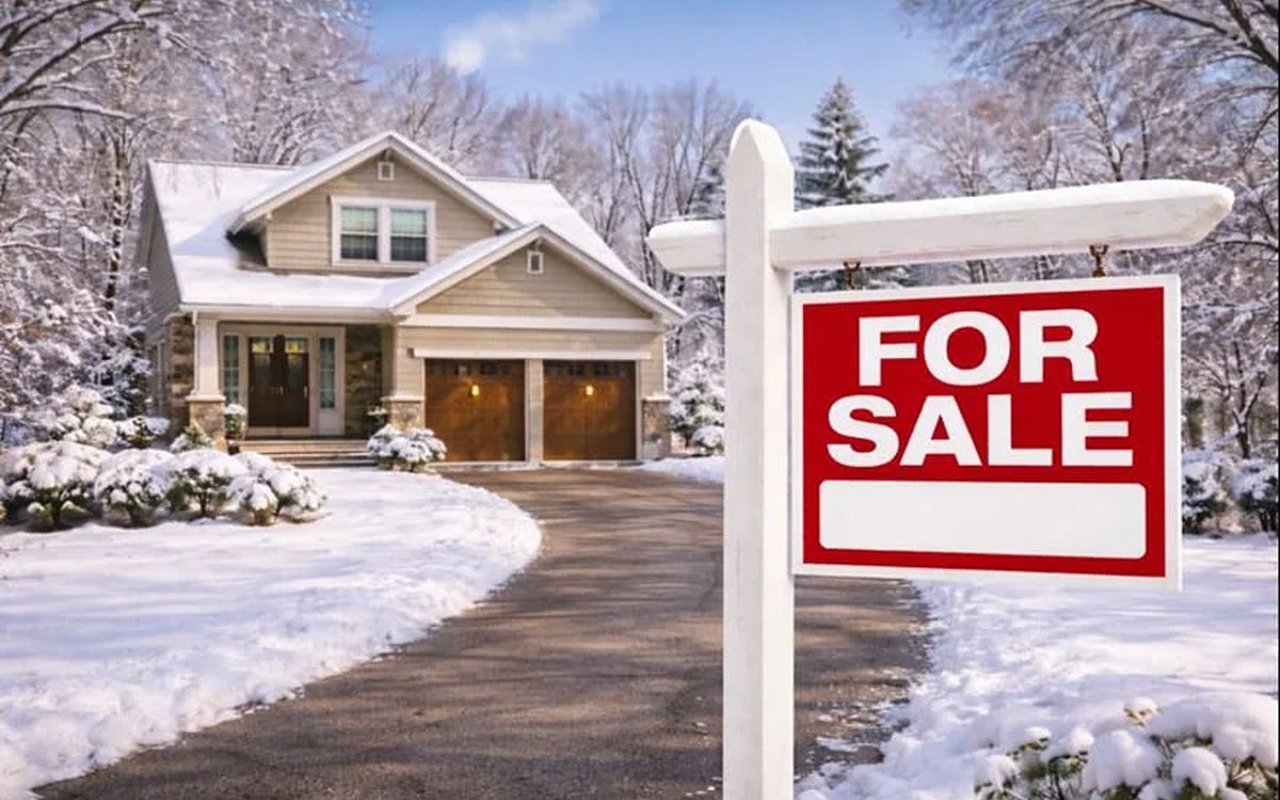
Sellers listing in winter often have a reason—relocation, job changes, or timing needs.
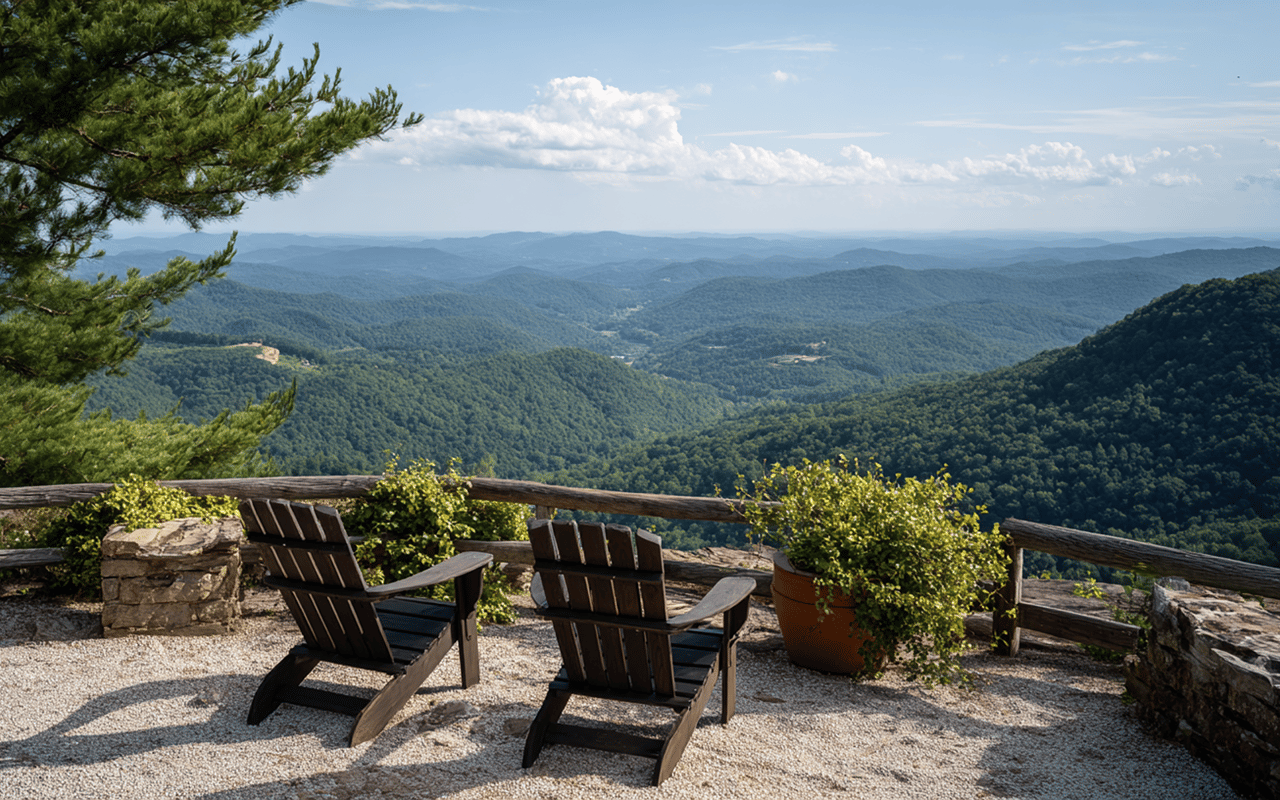
Weekends in Marble Hill are about stepping away from schedules and obligations.
With in-depth knowledge of the local market, skilled negotiation, and a client-first approach, Jacklyn works diligently to help buyers find the right home and sellers maximize the value of their property.
JACKLYN ZUNIGA
10900 Crabapple Rd Roswell, GA 30075