Energy-Efficient Cooling Tips for North Georgia Homes
Anyone who has spent a July or August in Georgia knows that the southern heat is no joke. It is not just the soaring temperatures that catch you off guard; it is that thick, heavy humidity that makes the air feel like a warm wet blanket the moment you step outside.
To cope, most of us retreat indoors and crank up the air conditioning. While our homes become a welcome sanctuary, the relief is often short-lived when the monthly power bill arrives in the mailbox. Because utility companies face higher costs to generate and distribute power during peak summer demand, those June-through-September kilowatt-hours can easily send your expenses skyrocketing.
Fortunately, keeping your home comfortable does not mean you have to drain your wallet. By understanding how your home handles heat and making a few strategic adjustments, you can outsmart the Georgia summer. Here is an actionable guide to optimizing your home's energy efficiency, lowering your utility costs, and keeping your cool all season long.
Your thermostat is the command center of your home's climate, and how you program it directly impacts your energy bills.
The U.S. Department of Energy recommends setting your thermostat to 78°F when you are at home and active. While this might sound warm if you are used to a crisp 71°F, the human body adapts surprisingly well to a slightly higher indoor temperature, especially when indoor humidity is kept under control. Every degree you raise the temperature above 72°F can save you up to 3% on your cooling costs.
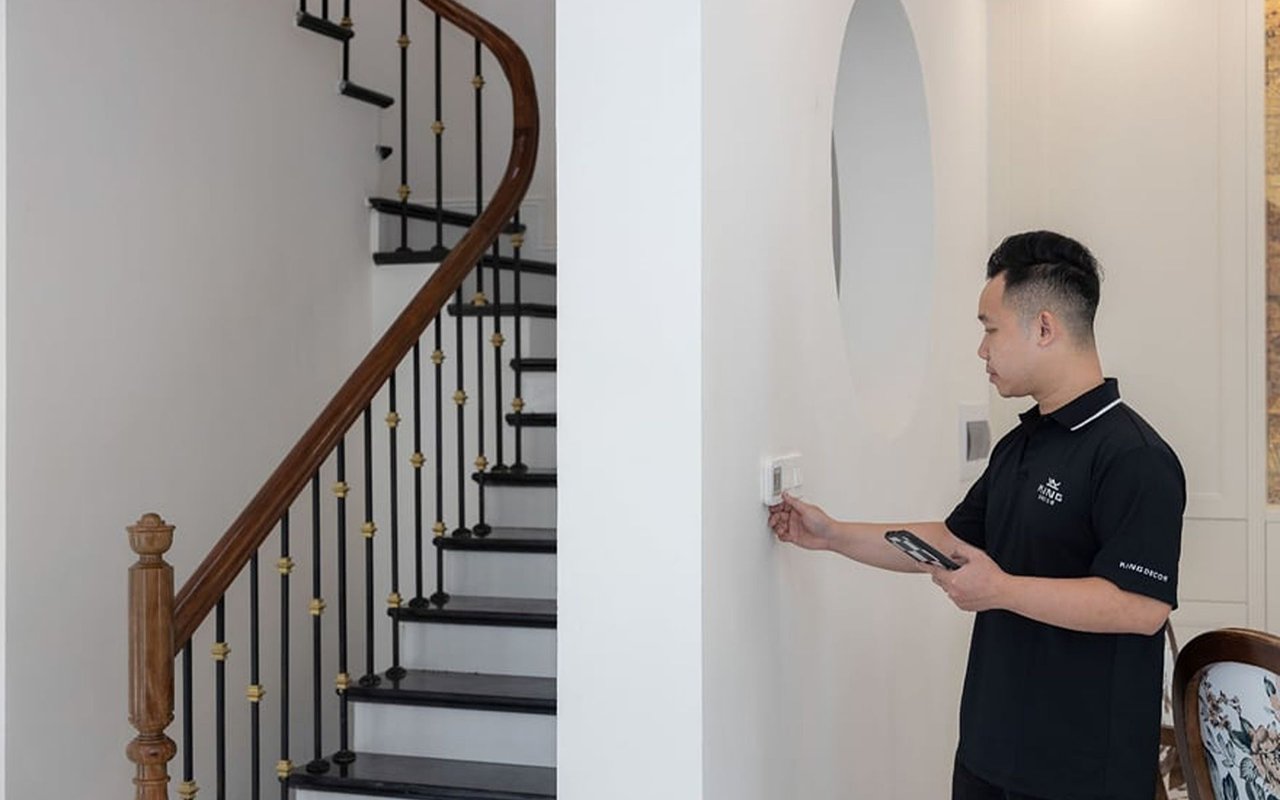
If you are still using an old manual thermostat, you are likely wasting energy cooling an empty house. Upgrading to a smart thermostat allows you to program temperature schedules based on your daily routine.
An air conditioning unit is only as efficient as the system supporting it. If your HVAC system has to fight against restricted airflow, it will run longer, consume more electricity, and wear out faster.
This is the simplest, most cost-effective maintenance task available, yet it is frequently forgotten. A dirty, dust-clogged air filter forces your system’s fan to work double-time to pull air through.
Your AC system works by absorbing heat from inside your home and releasing it outdoors. If your outdoor condenser unit is choked by overgrown weeds, fallen leaves, or spring pollen, it cannot release that heat efficiently. Ensure there is at least a two-foot clearance around your outdoor unit, and gently rinse the fins with a garden hose to remove accumulated dirt.
Ceiling fans create a "wind-chill effect" on your skin, making a room feel up to four degrees cooler than it actually is. This allows you to set the thermostat higher without sacrificing comfort. However, fans cool people, not rooms. Turn them off when you leave the space to prevent wasted electricity.
Summer Fan Rule: Ensure your ceiling fans are rotating counterclockwise at a high speed. This pushes a refreshing breeze straight down.
A major reason cooling bills spike is that the cold air you pay for escapes outside, while the heavy, humid Georgia air leaks indoors. Sealing your home's "thermal envelope" keeps your conditioned air exactly where it belongs.
Walk around your home and inspect the perimeters of your doors and windows. If you can feel a draft or see daylight, you are losing money.
Up to 30% of unwanted indoor heat enters through your windows via direct sunlight. You can block this radiant heat before it bakes your living room:
Your HVAC system isn't just fighting the weather outside; it is also fighting the heat generated inside by your daily activities.
Major appliances like clothes dryers, dishwashers, and ovens release significant amounts of heat and moisture into your home. Running them in the middle of a hot afternoon forces your AC to work overtime to counteract the heat they produce. Try to run laundry and dishwashers early in the morning or after 7:00 p.m.
On the hottest summer days, step away from the traditional stove and oven. Instead, rely on smaller appliances that use less energy and generate minimal ambient heat, such as:
If you are still utilizing old incandescent light bulbs, keep in mind that they convert roughly 90% of their energy into heat rather than light. Switching to ENERGY STAR®-certified LED bulbs keeps your rooms cooler and uses up to 75% less electricity.
Living in Georgia means you have access to specific regional resources designed to help manage summer utility spikes. Taking advantage of these programs can provide long-term financial relief.
Many regional utility providers, including Georgia Power, offer alternative rate structures like the Nights & Weekends plan. These plans offer significantly lower electricity rates during off-peak hours, but charge a premium during peak afternoon periods (2:00 p.m. to 7:00 p.m. on summer weekdays). If you can successfully shift your heavy energy usage—like running the dryer or charging an electric vehicle—to late evening or early morning, these plans can drastically lower your monthly bill.
Don't wait for the end of the month to discover your bill is too high. Use your utility provider's online portal or mobile app (such as the My Power Usage tool) to monitor your consumption trends by the day or hour. Setting up daily budget alerts can notify you if you are approaching a self-selected spending threshold, allowing you to adjust your habits before a billing surprise occurs.
If home upgrades feel financially out of reach, research income-qualified assistance programs. For example, qualifying Georgia residents can access initiatives like the EASE Program, which provides free home energy improvements such as professional HVAC servicing, LED bulb retrofits, and attic insulation upgrades to significantly lower monthly energy burdens.
Beating the summer electric bill doesn't require drastic lifestyle sacrifices or suffering through uncomfortable indoor temperatures. By tackling the low-hanging fruit—changing your filters, adjusting your thermostat routines, keeping the afternoon sun out, and shifting appliance usage—you can enjoy a comfortable home all summer long without dreading the mailbox.
Pick two or three steps to implement this week, and watch your energy footprint shrink even as the Southern heat index rises.
Stay up to date on the latest real estate trends.

Winning in a competitive housing market is rarely about throwing the highest number blindly.

Whether you're a first-time buyer, growing family, or investor, these markets offer variety and flexibility.
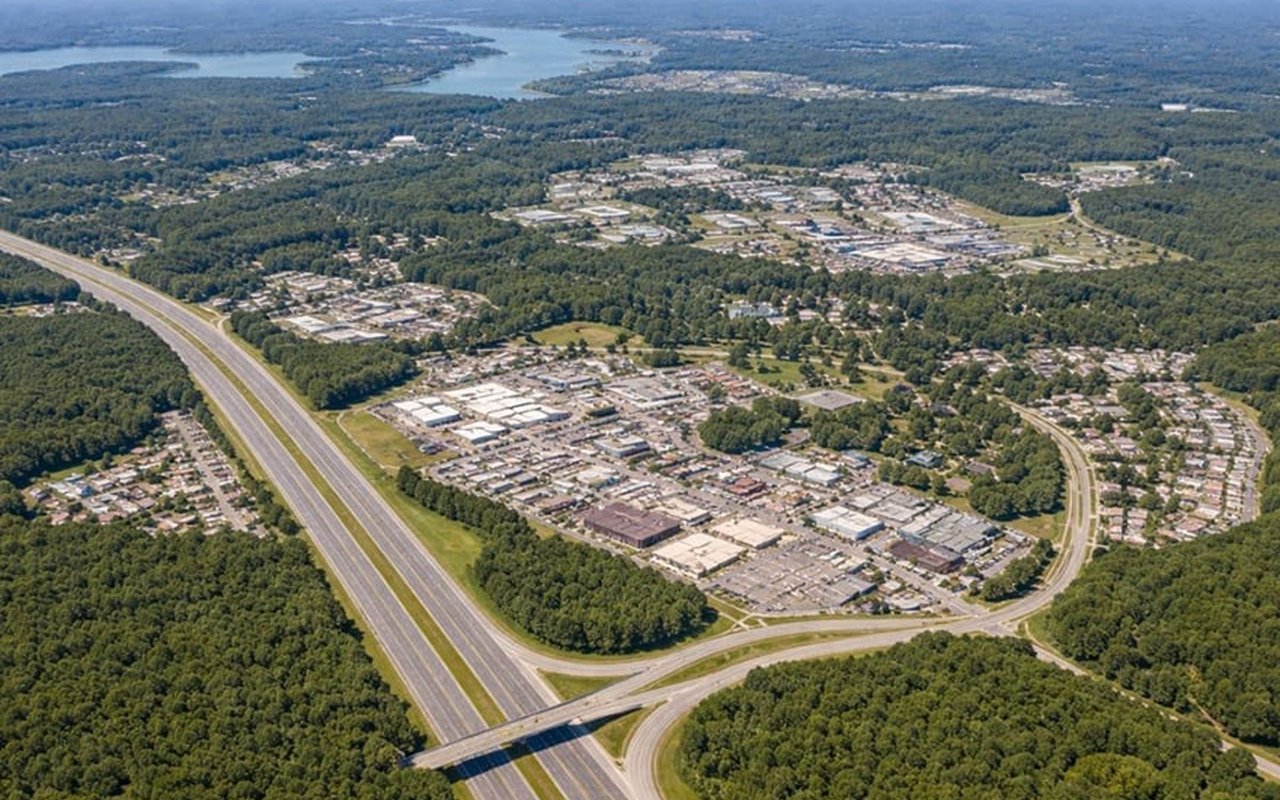
Statham is quickly becoming one of the best-kept secrets in Barrow County real estate.
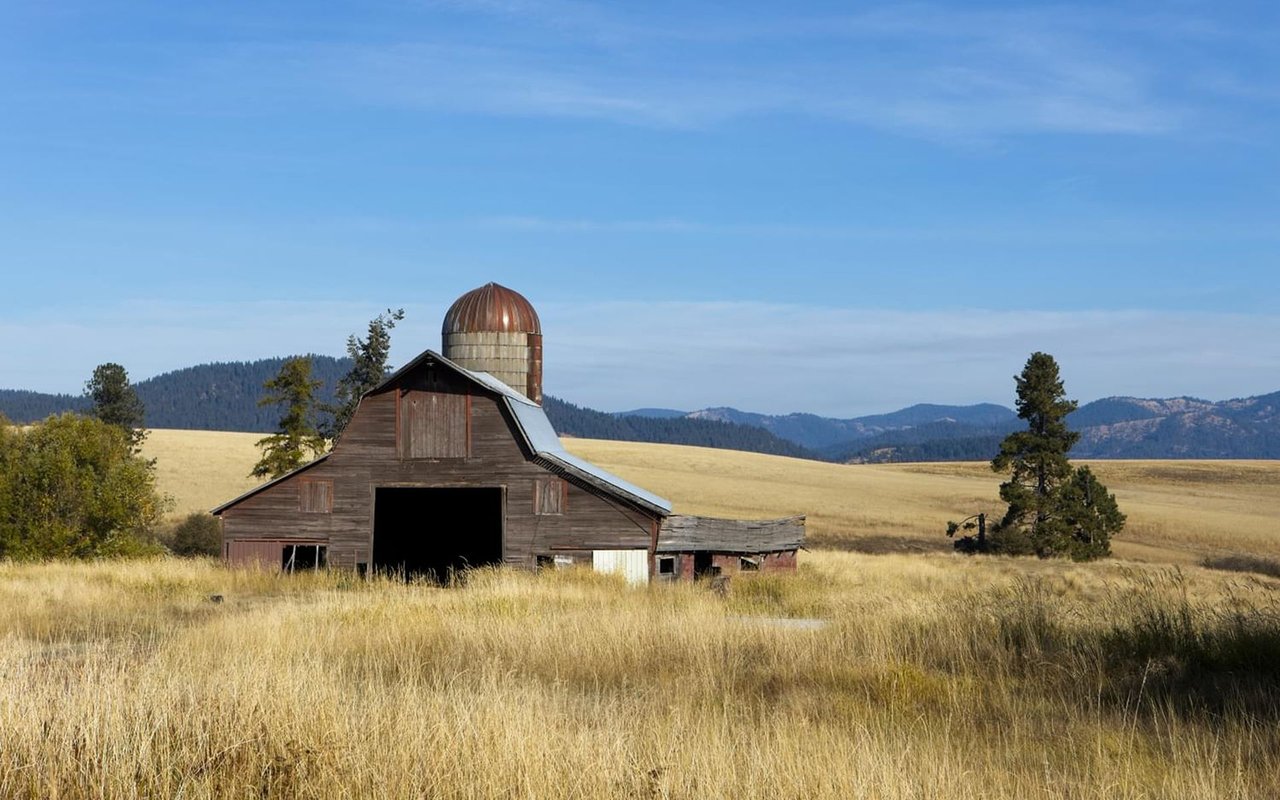
While Carnesville feels worlds away from the hustle of the city, it remains surprisingly accessible.
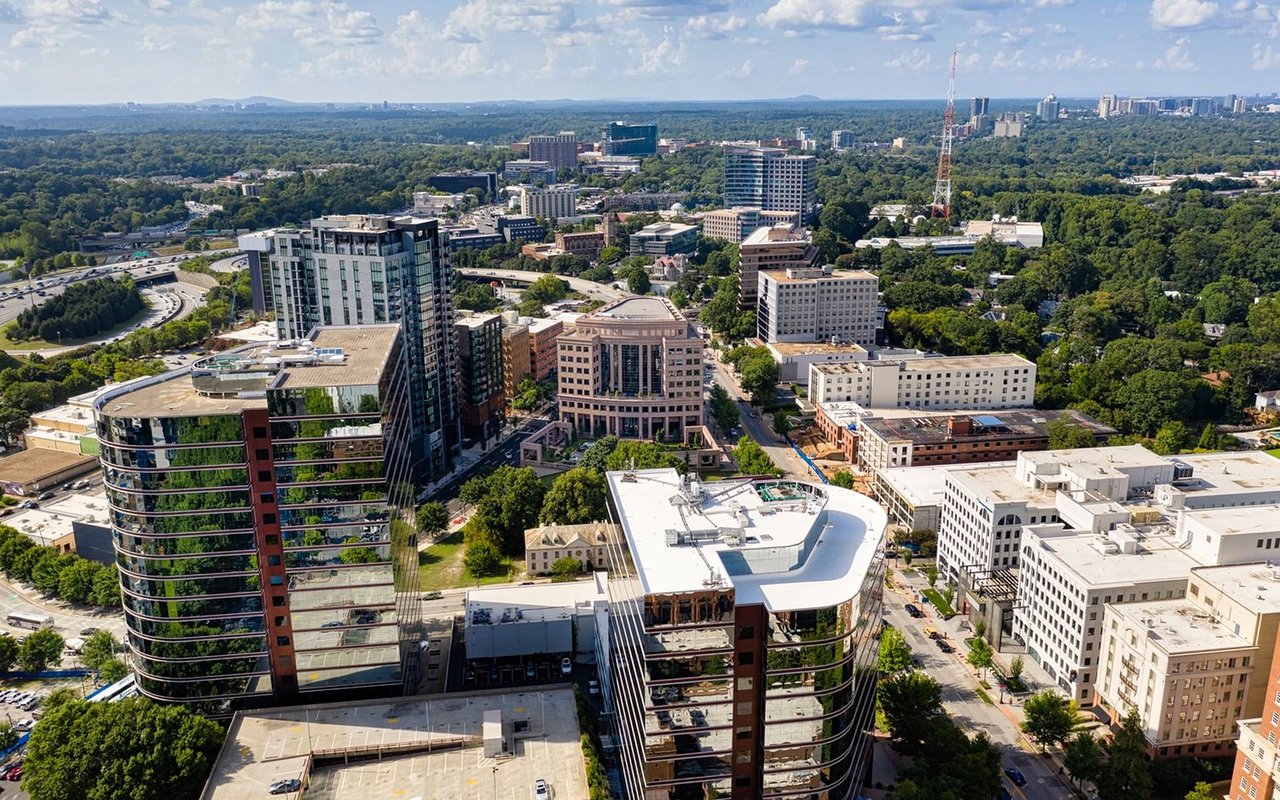
Johns Creek consistently ranks among the most sought-after cities in Metro Atlanta.

Buyers want flexibility — and Woodstock provides it without sacrificing quality of life.
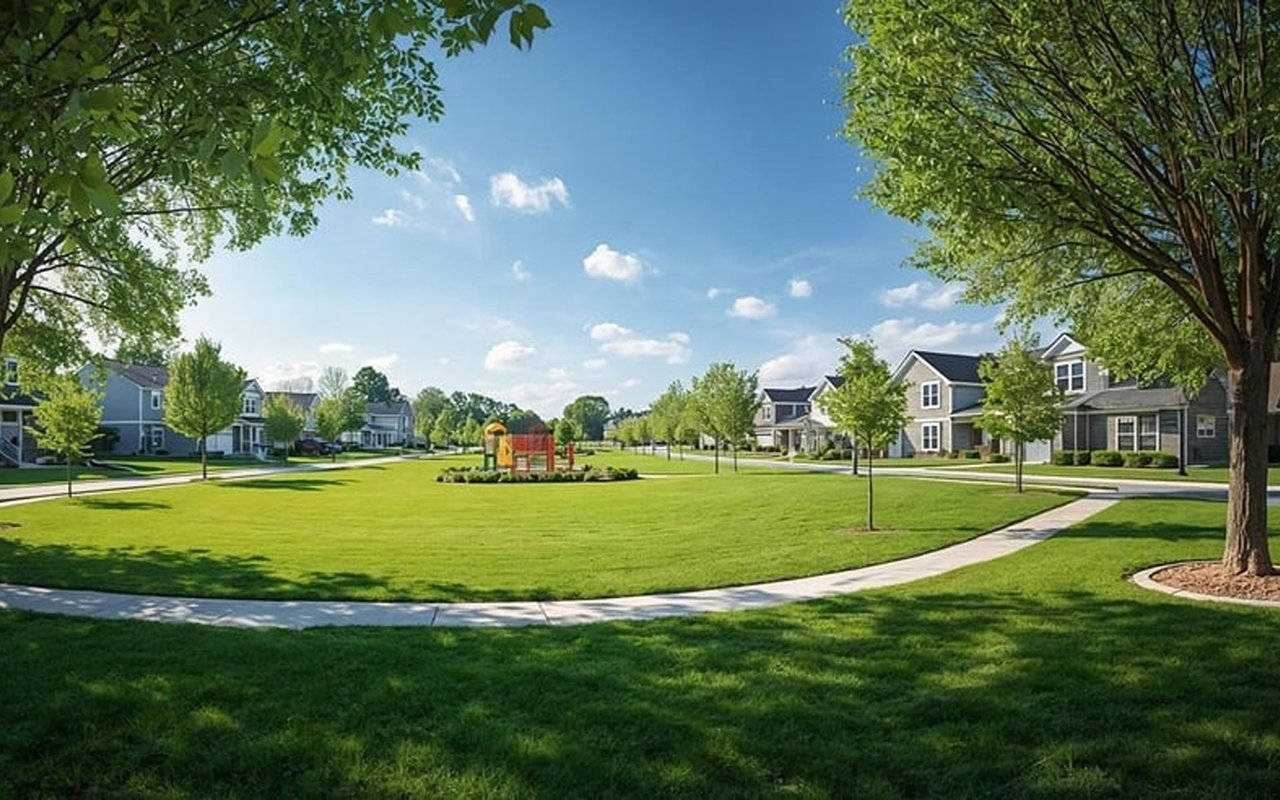
Cumming continues to attract families who value education, lifestyle, and community.
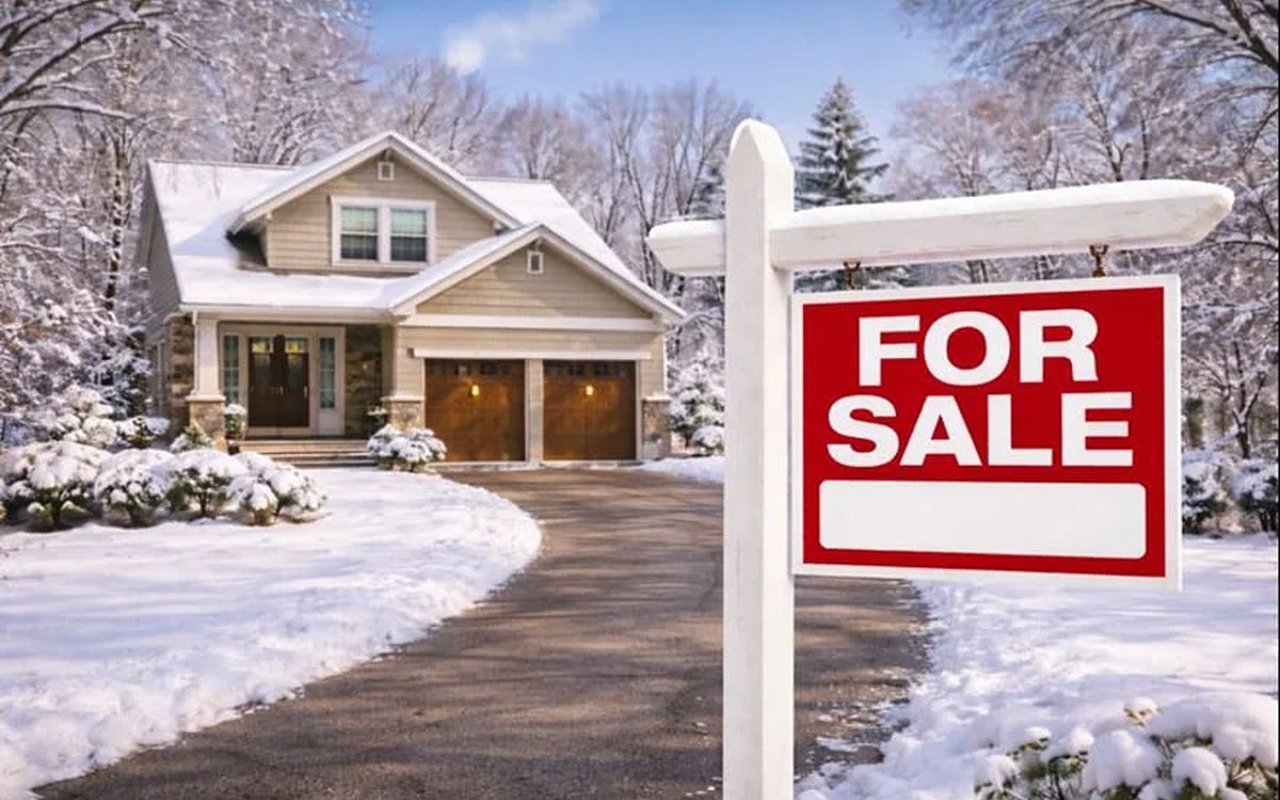
Sellers listing in winter often have a reason—relocation, job changes, or timing needs.

Weekends in Marble Hill are about stepping away from schedules and obligations.
With in-depth knowledge of the local market, skilled negotiation, and a client-first approach, Jacklyn works diligently to help buyers find the right home and sellers maximize the value of their property.
JACKLYN ZUNIGA
10900 Crabapple Rd Roswell, GA 30075